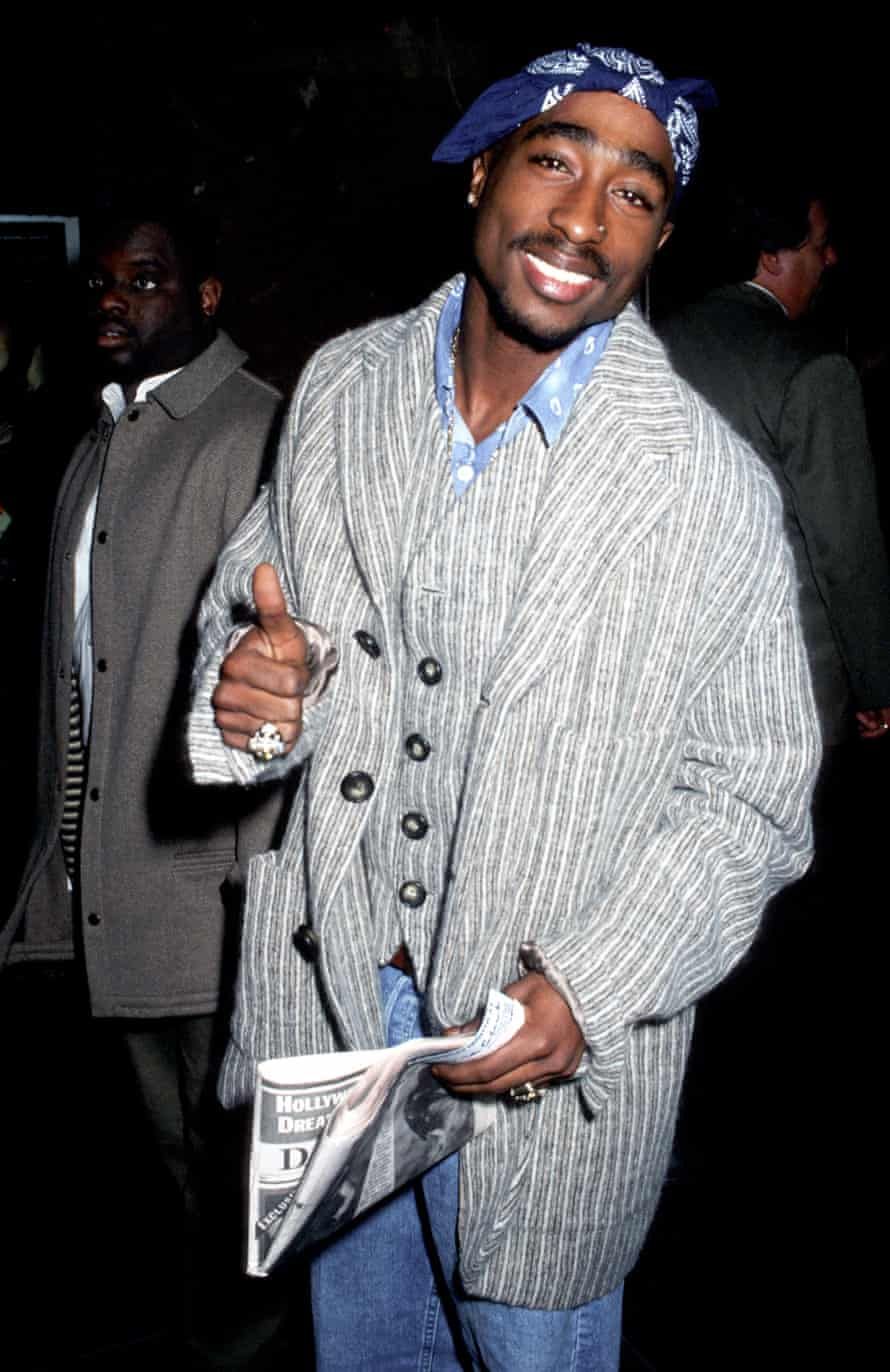

The Tupac Shakur murder verdict has finally delivered a conviction nearly three decades after the rap icon’s killing, bringing renewed attention to justice, grief and unanswered questions.
Tupac Shakur murder verdict ends decades of uncertainty
A Las Vegas jury found Duane Keith Davis guilty in the Tupac Shakur murder verdict, closing one of the most notorious and enduring criminal cases in entertainment history.
The conviction comes almost 30 years after Shakur was shot in Las Vegas, leaving his family, friends and millions of fans searching for answers.
For decades, the case became surrounded by speculation, conspiracy theories and competing accounts, transforming the murder of a young musician into an international cultural mystery.
But the Tupac Shakur murder verdict has now shifted the conversation from endless speculation towards accountability, even though no courtroom decision can erase decades of pain.
Shakur was only 25 when he died, yet his artistic influence continues to stretch across generations, cultures and continents long after his voice was silenced.
His music addressed racism, inequality, poverty, police violence and social frustration, making him more than an entertainer to many listeners around the world.

Duane Keith Davis guilty after years of public statements
The jury reached its decision after prosecutors presented evidence centred heavily on Davis’s own statements about his alleged involvement in the deadly events.
The 63-year-old former gang leader had spoken publicly for years, including in interviews and a memoir, about circumstances surrounding the September 1996 shooting.
Prosecutors argued that Davis played a central role in organising retaliation after his nephew, Orlando Anderson, was involved in an earlier confrontation.
According to testimony presented during the Las Vegas murder trial, Shakur’s entourage allegedly attacked Anderson following a Mike Tyson boxing match at the MGM Grand.
Read also:Trump reviews US support for UK over Falkland Islands
Later that evening, Shakur and Death Row Records boss Marion “Suge” Knight were travelling towards an after-party when gunfire erupted beside their vehicle.
Davis had reportedly described being inside the white Cadillac involved in the attack, making his own words central to the prosecution’s eventual case.
One statement attributed to Davis captured the alleged motive bluntly: “Pac chose the wrong game to play,” reflecting the violent tensions surrounding that night.
A hip-hop legend justice system delayed
The Tupac Shakur murder verdict also raises uncomfortable questions about why authorities required nearly three decades to secure a conviction in such a prominent case.
Delays in justice can deepen grief because families are forced to live between memory and uncertainty, never fully knowing whether accountability will ever arrive.
Shakur’s relatives reportedly experienced that emotional burden for years, waiting for investigators to identify those responsible and explain how the case remained unresolved.
One family member captured that frustration during the proceedings, saying: “We’ve been waiting 30 years to grieve properly.”
Those words reveal an important truth about unsolved killings: uncertainty can prolong mourning because loved ones are repeatedly pulled back into the original trauma.
For fans, the Tupac Shakur murder verdict may provide closure, but closure should not be confused with forgetting the failures and delays preceding it.
The case also demonstrates how celebrity can sometimes complicate criminal investigations by generating publicity, mythology and countless competing narratives around a single tragic event.
Tupac Shakur murder case becomes a lesson
According to The Guardian, prosecutors relied heavily on Davis’s own recorded statements, illustrating how public confessions can eventually become powerful evidence inside a courtroom.
The irony is striking. A case that resisted resolution for decades reportedly moved forward because the accused repeatedly discussed his alleged involvement publicly.
Prosecutors suggested that Davis might never have faced charges had he chosen silence rather than turning his knowledge of the case into stories and public commentary.
That development adds an extraordinary dimension to the Tupac Shakur murder case, where a defendant’s own words became among the most consequential elements of prosecution.

Davis’s defence attempted to portray his statements as exaggerations designed to benefit from public fascination surrounding one of music’s greatest unsolved crimes.
However, the jury ultimately accepted the prosecution’s argument, finding that the accumulated evidence demonstrated Davis’s criminal responsibility despite his claims and legal defence.
The conviction does not erase every uncertainty surrounding the shooting, but it establishes a judicial conclusion after years when the case appeared permanently unsolved.
Tupac’s legacy outlives the tragedy
The Tupac Shakur murder verdict inevitably brings renewed focus to the extraordinary life that existed before the violence on a Las Vegas street.
Shakur was not simply remembered for chart success. His lyrics carried political consciousness, personal vulnerability and anger that reflected the experiences of marginalised communities.
That combination made him unusually influential, allowing his music to remain relevant decades after his death despite dramatic changes within hip-hop and popular culture.
His killing also became symbolic of a turbulent period in American rap, when personal rivalries, gang affiliations and commercial competition sometimes collided dangerously.
Yet reducing Shakur’s story entirely to his death would overlook the deeper reason his legacy has survived: his ability to make listeners feel seen.
The hip-hop legend justice debate therefore extends beyond one conviction. It concerns whether society values the lives, voices and unresolved deaths of influential Black artists.
For younger generations discovering his music today, Shakur remains a living cultural presence whose lyrics continue speaking about struggles that have not disappeared.
Justice arrives, but questions remain
The Tupac Shakur murder verdict represents a historic legal milestone, but justice arriving after 30 years inevitably carries a complicated emotional weight.
Davis faces sentencing in October and has indicated plans to appeal, meaning the legal process surrounding one of America’s most famous murders may continue.
Nevertheless, the conviction offers Shakur’s family something they lacked for decades: a formal courtroom judgment assigning responsibility for his death.

For fans, the moment may feel both triumphant and painful. Justice has finally moved, but it cannot return the artist whose potential was violently interrupted.
The story also serves as a reminder that cold cases can survive beyond public attention, particularly when new evidence, witnesses or overlooked statements reshape investigations.
Ultimately, the Tupac Shakur murder verdict closes an important legal chapter while preserving an even larger cultural legacy built through music, activism, vulnerability and extraordinary influence.
Nearly three decades after gunshots ended his life, Tupac Shakur remains impossible to silence—and the long-delayed verdict ensures his final chapter will continue resonating worldwide.
About The Author