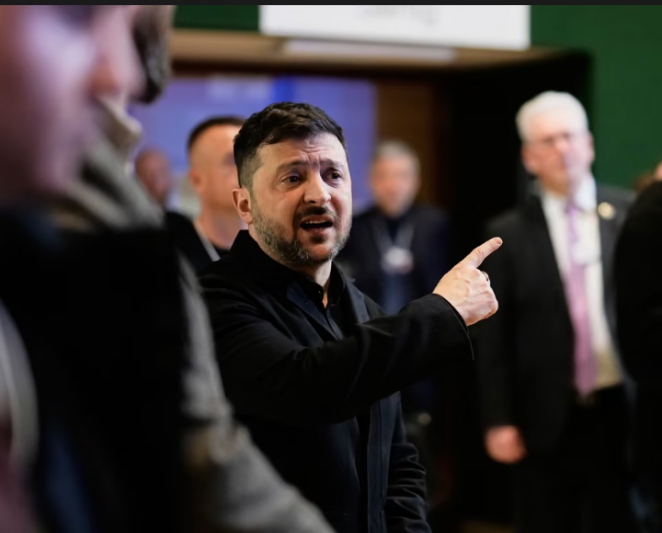
Trump withdraws Canada invitation in a move that has intensified diplomatic tensions between Washington and Ottawa following public disagreements between Donald Trump and Canadian prime minister Mark Carney at the World Economic Forum in Davos.
The decision came after Canada declined to commit financially to Trump’s proposed global peace board, an initiative the former US president has described as historic and transformative.
Trump announced that Canada would no longer be welcome to join the so-called “board of peace” through a post on his Truth Social platform, directly addressing Carney and formally rescinding the invitation that had been extended only days earlier.
The board was unveiled at Davos as part of Trump’s broader foreign policy vision should he return to office.
According to Trump, the board of peace would serve as a powerful international body tasked with resolving global conflicts and overseeing post-conflict reconstruction efforts, including governance arrangements for Gaza.
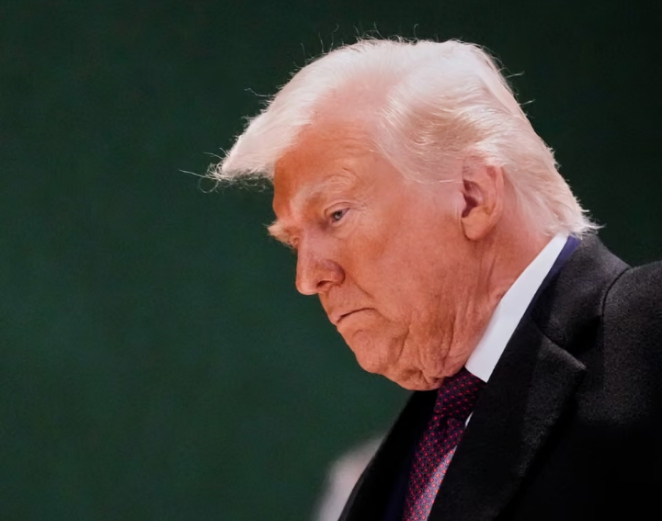
Trump claimed the board would be “the most prestigious Board of Leaders ever assembled” and positioned himself as its chair.
While Trump withdraws Canada invitation now, Carney had previously indicated that Canada was open to discussing participation in principle.
However, Canadian officials made clear that they had not agreed to the structure, governance model, or funding demands attached to the initiative.
A key sticking point emerged over Trump’s requirement that permanent member countries contribute $1bn each to secure a seat on the board.
Canada’s government signaled early hesitation about the financial commitment, stressing that public funds must be deployed in ways that deliver clear and measurable impact.
Carney told reporters that his government was still reviewing “the details of the structure, how it’s going to work, what the financing is for,” emphasizing caution rather than outright rejection.
That cautious stance appeared to irritate Trump, who has framed the board as a take-it-or-leave-it proposition.
Canada’s finance minister, François-Philippe Champagne, later confirmed that Ottawa did not intend to pay the $1bn contribution Trump demanded.
That clarification effectively sealed the breakdown in talks and set the stage for Trump’s decision to pull the invitation altogether.
The diplomatic rupture deepened after Carney delivered a widely circulated speech in Davos criticizing what he described as a breakdown in the rules-based international order.
Without naming Trump directly, Carney argued that aggressive unilateral behavior by powerful states was undermining global stability.
Trump responded sharply during his own Davos appearance, asserting that Canada’s prosperity depended on the United States. “Canada lives because of the United States,” Trump said, a remark that quickly drew backlash north of the border.
Carney rejected the statement the following day, responding that Canada “thrives because we are Canadian,” a retort that resonated domestically and was widely shared online.
The exchange underscored how strained Trump Canada relations have become amid broader geopolitical disagreements.
When Trump withdraws Canada invitation, it also highlights the limited international appetite for his proposed peace board. Several major US allies, including Britain, France, and Italy, have declined to participate, at least for now, citing concerns over governance, financing, and legitimacy.
Despite those refusals, Trump has claimed support from a smaller group of countries, including Argentina, Bahrain, Morocco, Pakistan, and Turkey. He has argued that once fully formed, the board would be able to act decisively in coordination with the United Nations.
Read also: Trump Greenland NATO agreement sparks sovereignty debate with Denmark
A UN security council resolution has endorsed aspects of Trump’s Gaza peace plan, but UN officials have been careful to clarify that any engagement with the board would be limited strictly to that context.
UN spokesperson Rolando Gomez stressed that the organization was not granting blanket approval to Trump’s broader vision.
Trump has nonetheless suggested the board would wield extraordinary influence, telling reporters in Switzerland that it could “do pretty much whatever we want to do” once operational.
Such remarks have fueled skepticism among diplomats who fear the initiative lacks accountability and transparency.
For Canada, the withdrawal may carry limited practical consequences but significant symbolic weight.
Ottawa has traditionally aligned closely with Washington on international initiatives, making the public nature of this fallout unusual.
Analysts say Trump withdraws Canada invitation less because of policy differences and more as a reaction to political defiance.
Carney’s refusal to endorse the funding model, combined with his Davos speech, likely convinced Trump that Canada was unwilling to play a subordinate role.
The episode also reflects Trump’s transactional approach to diplomacy, in which financial contributions and public loyalty are often treated as prerequisites for partnership.
Countries unwilling to meet those expectations risk being sidelined or publicly criticized.
Neither Carney’s office nor the White House immediately responded to requests for further comment following Trump’s announcement.
However, Canadian officials privately indicated that Ottawa was not surprised by the move.
As the 2026 global political landscape continues to shift, the dispute raises broader questions about the viability of Trump’s international ambitions and the willingness of traditional allies to engage with unconventional governance structures.
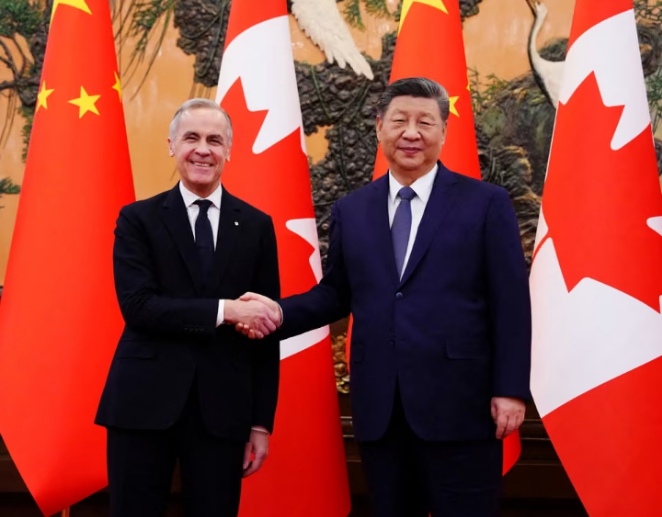
For now, Trump withdraws Canada invitation stands as the latest example of how personal rivalries and public rhetoric can quickly derail diplomatic initiatives, even before they move beyond the proposal stage.