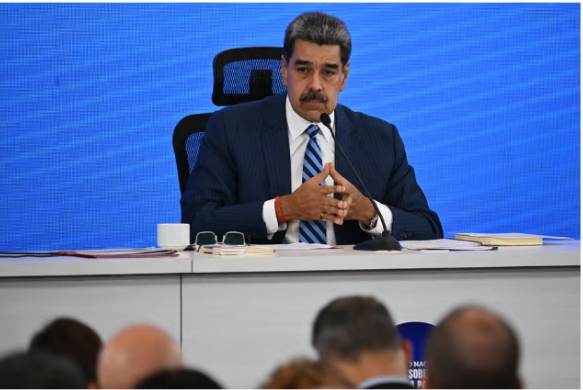
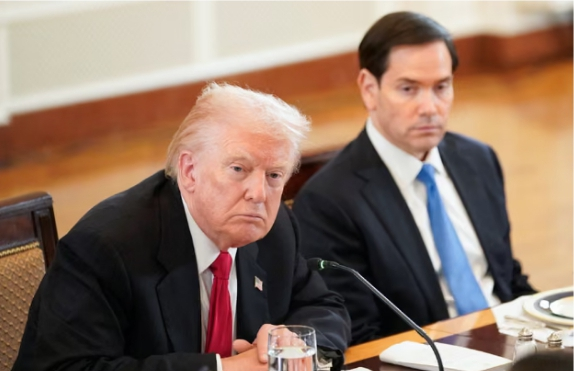
Donald Trump is reportedly preparing a direct conversation with Nicolás Maduro, marking a critical step in Trump Venezuela talks and signaling rising tensions between Washington and Caracas.
According to Axios, no date has been set for the call, which remains “in the planning stages,” reflecting careful coordination by the White House and senior advisers.
The administration recently designated Maduro as a foreign terrorist leader, alongside the Cartel de los Soles, granting the US legal authority to impose targeted sanctions on assets and infrastructure.
US officials claim the cartel is headed by Maduro and senior government officials, providing Trump leverage to pressure Caracas while continuing strategic Trump Venezuela talks in the Western Hemisphere.
The sanctions allow targeting Maduro’s personal wealth, government infrastructure, and entities allegedly linked to narcotics trafficking, highlighting Washington’s intent to combine legal tools with diplomatic engagement.
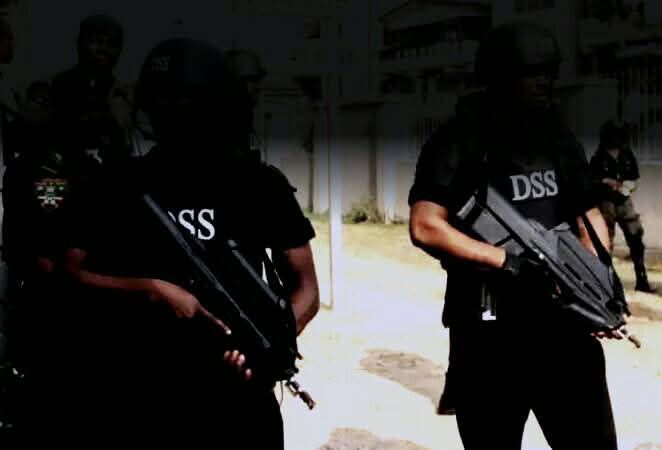
Since August, Trump has deployed significant naval assets off Venezuela’s northern coast, including warships and surveillance aircraft, demonstrating readiness to escalate if diplomatic pressure alone fails.
In addition to naval positioning, US forces have conducted a series of airstrikes against alleged narco-trafficking boats, described as “narco-boats” by officials, which critics warn could undermine Trump Venezuela talks.
“Nobody is planning to go in and shoot him or snatch him — at this point. I wouldn’t say never, but that’s not the plan right now,” a US official told Axios.
Despite the aggressive posture, Trump emphasizes that sanctions, strategic deployments, and a direct call remain the primary tools for influencing Maduro without deploying ground forces.
Venezuelan authorities have rejected the US narrative, calling the Cartel de los Soles “nonexistent” and denouncing the designation as “a despicable lie” designed to justify illegal intervention in Venezuela.
Maduro accused the US of following a “classic regime-change format,” arguing Washington seeks to undermine sovereignty while portraying Caracas as a global security threat.
Observers suggest the designation could serve as a pretext for limited military action, but officials insist the primary objective is diplomatic leverage during Trump Venezuela talks.
Legal analysts note that direct engagement with a designated foreign terrorist is unprecedented, raising questions about compliance with US anti-terrorism statutes and international norms governing state-to-state communications.
Trump advisers reportedly view the phone call as a means to clarify US demands, explore narcotics cooperation, and maintain leverage through sanctions while signaling willingness to negotiate.
Since August, US naval operations in the Caribbean have closely monitored alleged drug shipments and other illicit activity linked to the Cartel de los Soles, reinforcing Trump’s security rationale.
The White House frames this approach as containing criminal activity and stabilizing regional security while preserving options for diplomacy and avoiding escalation to open conflict.
Analysts warn that even limited military strikes could provoke defensive measures from Venezuela, potentially complicating ongoing Trump Venezuela talks and risking escalation across the Caribbean region.
Sanctions also target Venezuela’s oil sector, restricting revenue streams that support Maduro’s government and enhancing Washington’s leverage without deploying large-scale military forces.
Trump’s advisers stress that the planned call could help resolve practical issues such as narcotics interdiction, while maintaining the legal and political advantages provided by sanctions and terrorist designations.
Human rights groups and members of Congress have raised concerns that combining sanctions, military deployments, and high-level diplomacy may constitute coercive measures, potentially harming Venezuelan civilians.
Comparisons to past US interventions in Latin America highlight the risks of this strategy, as critics question whether combining pressure with dialogue can produce meaningful results without unintended consequences.
Regional allies, including Colombia and Brazil, are closely monitoring US moves, considering how Trump’s naval deployments and potential direct engagement with Maduro might affect regional stability.
Venezuelan military officials have publicly stated that any US incursion would be met with resistance, highlighting the high-risk environment surrounding the Trump Venezuela talks.
Critics argue that the dual approach of sanctions and diplomatic engagement risks blurring the line between negotiation and coercion, but advisers insist it maximizes strategic flexibility while projecting influence.
Observers note that the planned direct engagement represents a gamble, relying on sanctions, negotiation, and psychological pressure to advance US objectives without triggering open conflict.
Legal experts caution that speaking directly with a designated terrorist could raise liability concerns under US law, including the potential for conflict with anti-terrorism statutes and international diplomatic protocols.
Nevertheless, senior Trump advisers maintain that a carefully orchestrated call may be necessary to pursue US priorities, particularly addressing narcotics trafficking and regional security threats.
The timing of the call, if it occurs, will be crucial, coming after the high-profile designation of Maduro and the Cartel de los Soles and following US naval deployments nearby.
Observers warn that the approach carries political risk, as Congress, the public, and international allies could react negatively if the US is seen as legitimizing or negotiating with a designated terrorist.
Despite these concerns, the White House reportedly views the conversation as an opportunity to test Maduro’s willingness to cooperate while maintaining the legal basis for sanctions and broader diplomatic pressure.
Trump’s advisers argue that combining symbolic designations, targeted sanctions, and selective diplomacy allows the US to maintain maximum leverage while signaling readiness to escalate if necessary.
Venezuelan media continues to frame US moves as foreign interference, emphasizing sovereignty and portraying Washington as acting outside international law, potentially strengthening domestic support for Maduro.
Trump Venezuela talks represent a high-stakes, unprecedented effort to influence Caracas using sanctions, naval deployments, and direct diplomacy, balancing coercive and cooperative measures to achieve US objectives.
About The Author