US President Donald Trump to host NATO Chief Mark Rutte at the White House this week, as global attention turns to the widening fractures in transatlantic relations and shifting defence commitments.
The meeting comes days after a planned Trump-Putin summit collapsed, prompting renewed uncertainty over Washington’s diplomatic direction and its commitment to collective security in Europe.
White House officials say Trump will host NATO Chief Rutte to discuss alliance spending, Ukraine, and the ongoing security crisis that has deepened divisions within NATO’s ranks.
“The President wants a strong NATO that shares responsibility,” Press Secretary Sarah Huckabee Sanders said, adding that Trump would “insist on fair contributions from all allies.”
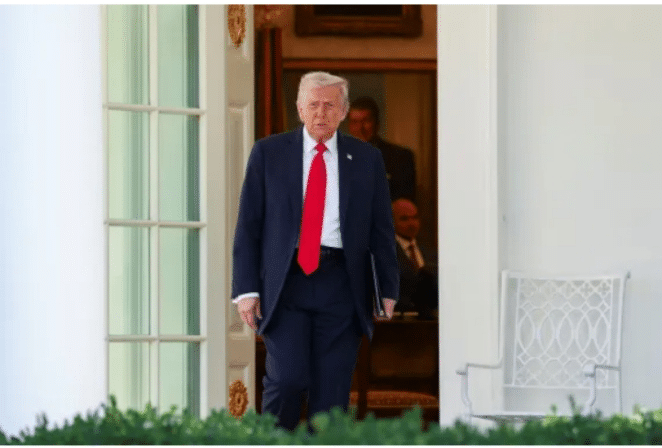
This encounter marks Rutte’s first visit to Washington since assuming the role of NATO Secretary-General. The Dutch leader is expected to urge Trump to maintain long-term strategic alignment, particularly as Russia’s offensive in Ukraine grinds on.
The Trump to host NATO Chief talks are viewed by analysts as a crucial test of Trump’s approach to global partnerships and his willingness to reassure uneasy allies about US reliability.
Fiona Hill, a former National Security Council official, said the President’s unpredictability leaves many European governments “uncertain whether they can depend on consistent US leadership.”
Trump, however, dismissed such concerns on Monday. “America is carrying NATO,” he told reporters. “We’re doing more than anyone else, and it’s time others did their part.”
The Trump to host NATO Chief meeting takes place against a tense backdrop. The federal government shutdown has reached its 22nd day, and domestic frustration over spending priorities is intensifying.
Meanwhile, Trump’s decision to cancel his meeting with Russian President Vladimir Putin in Hungary has drawn both relief and alarm. Supporters say it avoids legitimizing Moscow’s aggression; critics call it another sign of erratic policymaking.
“The President said he didn’t want a wasted meeting,” a White House source told reporters. “He’s focused on results, not handshakes.”
European diplomats worry that Trump’s rhetoric could further strain NATO unity. Many fear a return to the confrontational style of his previous term, when he called the alliance “obsolete” before later softening his stance.
Political analyst Andrea Mitchell said the Trump to host NATO Chief event offers Trump “an opportunity to project control, but also to remind allies that he sets the terms of engagement.”
Rutte, known for his calm diplomacy, is likely to emphasize the importance of dialogue. In Brussels, he said: “NATO’s strength comes from trust. Every member must know where the others stand.”
The White House says discussions will cover Ukraine, burden-sharing, and China’s expanding global influence. Both leaders will hold a joint press briefing following their private meeting.
Energy security is expected to feature prominently. With Europe still battling the fallout from reduced Russian gas flows, the US may push to increase its liquefied natural gas exports to NATO countries.
As Trump hosts NATO Chief Rutte, many in Washington see a symbolic effort to show international engagement amid domestic turbulence. The President’s approval ratings have slid in recent weeks as the shutdown drags on.
“The administration wants a win on the world stage,” said Brookings Institution analyst Michael O’Hanlon. “A smooth meeting with Rutte could help counter criticism at home.”
At the same time, Trump’s controversial $250 million White House renovation — including the planned demolition of the East Wing façade to build a ballroom — continues to draw backlash. Critics call it a “vanity project” during a fiscal crisis.
“The symbolism is terrible,” said Senator Chris Murphy. “While federal workers go unpaid, the President focuses on luxury projects.”
In contrast, Republican allies argue that Trump’s direct approach is long overdue. “He’s shaking up complacent institutions,” said Representative Jim Jordan. “NATO needs accountability, not blind loyalty.”
The Trump to host NATO Chief meeting also highlights deeper questions about the alliance’s future. Some European leaders quietly worry about the prospect of Trump demanding new conditions for continued US military commitments.
“Everyone in Brussels is holding their breath,” a senior NATO diplomat admitted. “They hope Rutte can find the right words to keep the dialogue constructive.”
Trump’s unpredictability has long been both his strength and his liability on the global stage. His critics view it as chaos; his supporters call it leverage.
“Every negotiation begins with uncertainty,” Trump said earlier this year. “That’s how you get results.”
Whether the Trump to host NATO Chief meeting produces concrete results remains to be seen. Analysts expect a carefully worded joint statement that highlights “mutual cooperation” but avoids major policy announcements.
Behind the scenes, officials from both sides say they hope to reaffirm NATO’s collective defence principles while leaving space for “frank conversations” about costs and commitments.
Ukraine’s ongoing war looms over every NATO discussion. With Russia intensifying its strikes, Rutte is expected to thank Washington for its support but also press for predictable aid mechanisms.
The Kremlin, meanwhile, accused the US of “theatrical politics.” Spokesman Dmitry Peskov said Moscow remains open to talks “when Washington is ready to act seriously.”
Observers say that with Putin isolated and NATO searching for unity, the optics of Trump hosting NATO Chief Rutte may matter more than any tangible outcome.
“The world is watching for tone, not treaties,” said Andrea Mitchell. “If Trump appears cooperative, it could calm markets and reassure partners — even if nothing new is agreed.”
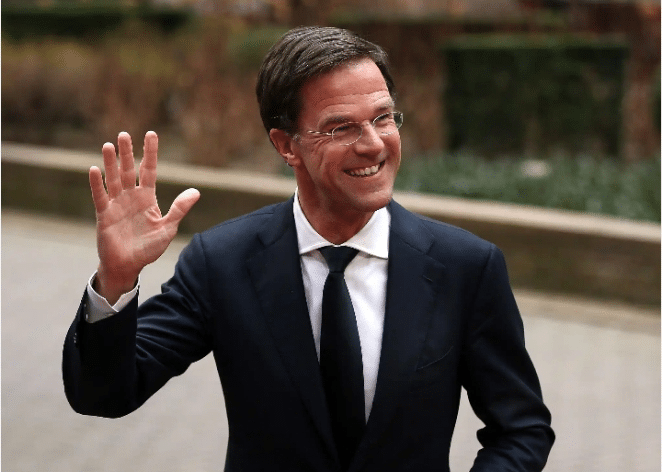
For the President, the meeting represents a balancing act: projecting strength while mending trust with allies who view his America First policies with suspicion.
As the cameras flash in the Rose Garden, Trump will seek to cast himself as the decisive leader capable of steering both NATO and Washington through turbulent times.
Yet even with Rutte’s steady diplomacy, questions linger about whether this partnership can endure the pressures of modern geopolitics — and Trump’s own political instincts.
If the Trump to host NATO Chief talks succeed in lowering tensions and reaffirming solidarity, it could mark a rare stabilizing moment in an otherwise volatile presidency.
About The Author