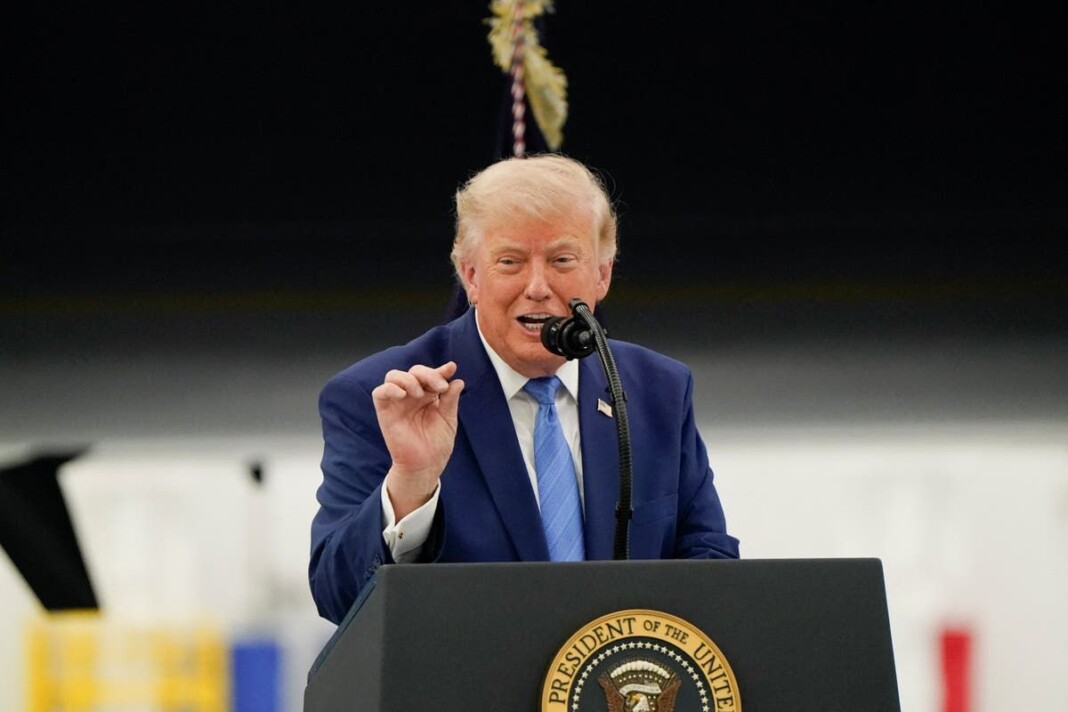

Trump threatens Iran over Strait of Hormuz– The diplomatic standoff between the United States and Iran has entered another tense phase after US President Donald Trump issued a fresh warning over the strategic Strait of Hormuz, prompting a sharp response from Tehran that has further heightened uncertainty despite ongoing peace negotiations in Switzerland.
The latest exchange comes as negotiators from both countries continue talks aimed at ending months of conflict and restoring stability to one of the world’s most critical energy corridors. While diplomats insist progress is being made behind closed doors, the public war of words between Washington and Tehran underscores how fragile the peace process remains.
Trump warned that Iran would face devastating consequences if it attempted to close the Strait of Hormuz again, while Iranian officials insisted the waterway falls under Iran’s sovereignty, rejecting what they described as intimidation from Washington. The contrasting messages have left global markets, regional allies and shipping companies closely monitoring developments.
Trump Threatens Iran Over Strait of Hormuz Amid Delicate Peace Talks
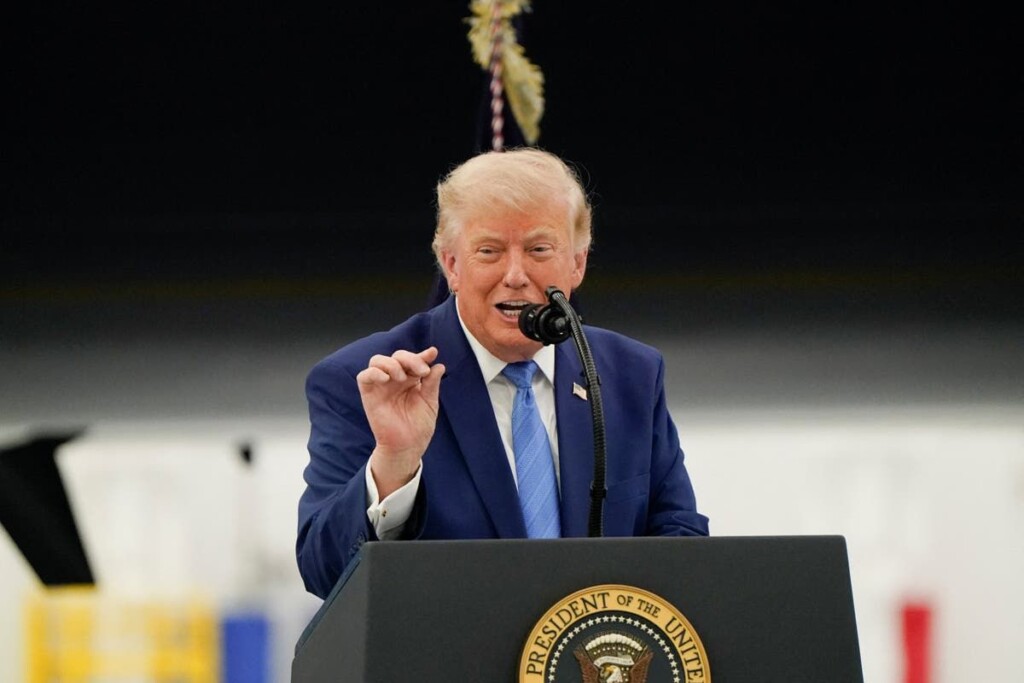
President Donald Trump renewed his tough rhetoric after Iran’s Revolutionary Guards announced they had once again restricted maritime traffic through the Strait of Hormuz following renewed regional tensions.
According to reports, Trump said he had personally warned Iranian officials against disrupting international shipping through the strategic waterway.
“You close the strait and you won’t have a country,” Trump reportedly warned, adding that the United States would “take over the rest of the country” if Iran proceeded with another blockade.
The remarks marked one of Trump’s strongest public warnings since negotiations resumed between Washington and Tehran following weeks of military confrontation.
Although US officials involved in the negotiations have projected optimism about reaching a broader settlement, Trump’s comments reflected the administration’s determination to prevent any disruption to one of the world’s busiest oil transit routes.
The Strait of Hormuz remains a vital gateway linking the Persian Gulf to international markets, with a significant share of the world’s crude oil and liquefied natural gas exports passing through the narrow channel each day. Any prolonged disruption could have immediate consequences for global energy supplies and international shipping.
Tehran Fires Back: ‘It’s Not Your Personal Casino’
Iran responded swiftly and forcefully to Trump’s warning.
Ebrahim Azizi, who heads the Iranian parliament’s National Security and Foreign Policy Commission, dismissed the US president’s threats in strongly worded remarks shared on social media.
“You make threats; we take action,” Azizi declared.
He continued: “The Strait of Hormuz is neither your personal casino nor the backyard of modern-day pirates; these are Iranian sovereign waters, and the ultimate decision rests with the noble people of Iran and its brave armed forces.”
The statement represents one of Tehran’s strongest public responses since negotiations resumed and signals that Iranian leaders remain unwilling to accept pressure over what they consider sovereign territory.
Iranian officials have repeatedly argued that any decisions concerning navigation through the Strait of Hormuz are linked to regional security and cannot be separated from broader military developments involving Israel and its allies.
The exchange has once again illustrated the enormous gap that negotiators must bridge despite encouraging signals emerging from the diplomatic talks.
Diplomacy Continues Despite Public Confrontation
Behind the heated rhetoric, negotiators from the United States and Iran continue discussions in Switzerland with mediation from Qatar and Pakistan.
Officials involved in the process say the talks have focused on preventing another escalation while laying the groundwork for a more comprehensive agreement.
US Vice President JD Vance said one of the most important developments so far was Iran’s willingness to allow inspectors from the International Atomic Energy Agency back into the country.
According to Vance, the move represents “a major milestone” toward ensuring greater transparency over Iran’s nuclear programme and building confidence between both sides.
Negotiators are also working on mechanisms designed to keep the Strait of Hormuz open, maintain the ceasefire between Israel and Hezbollah in Lebanon, and establish communication channels capable of resolving future disputes before they escalate into military confrontation.
Although officials described the opening sessions as difficult, both delegations have remained engaged, suggesting neither side wants diplomacy to collapse despite their increasingly confrontational public statements.
Why the Strait of Hormuz Matters to the World
The Strait of Hormuz is widely regarded as one of the world’s most strategically important maritime passages.
Located between Iran and Oman, the narrow waterway serves as the primary export route for crude oil and liquefied natural gas produced by several Gulf nations.
Every major disruption to shipping through the Strait immediately attracts international attention because energy markets react quickly to any perceived threat to supply.
Even temporary restrictions can trigger higher oil prices, increase shipping insurance costs and create uncertainty across global financial markets.
Following the latest tensions, shipping activity reportedly slowed before gradually recovering as commercial operators assessed the evolving security situation.
Energy analysts say that although traffic has resumed, vessel movements remain below pre-conflict levels as operators continue to monitor security conditions closely.
For importing nations across Europe and Asia, maintaining uninterrupted access through the Strait remains a key economic priority.
Mixed Signals Raise Questions Over the Peace Process
The latest confrontation highlights the contradiction currently shaping US-Iran relations.
On one hand, negotiators are discussing confidence-building measures, sanctions relief, nuclear inspections and regional security arrangements.
On the other, political leaders continue exchanging inflammatory rhetoric that risks undermining public confidence in the diplomatic process.
Trump has maintained that maximum pressure remains necessary to prevent Iran from threatening international commerce or advancing its military capabilities.
Iranian leaders, meanwhile, insist they will not negotiate under threats and have repeatedly defended what they describe as their sovereign rights.
Political analysts believe both governments are attempting to reassure domestic audiences while preserving room for compromise at the negotiating table.
Such dual-track diplomacy is common during high-stakes international negotiations, where public messaging often differs significantly from private discussions.
What Comes Next?
Diplomatic teams are expected to remain in Switzerland throughout the week as technical discussions continue on the framework for a broader peace agreement.
Officials hope the negotiations will produce lasting arrangements covering maritime security, regional ceasefires, nuclear monitoring and phased confidence-building measures between both countries.
Success would significantly reduce the risk of renewed military confrontation and help restore stability to international shipping through the Strait of Hormuz.
Read also: Keir Starmer resignation looms as Andy Burnham emerges as Labour power shift reshapes UK politics
However, the latest exchange between Trump and Iranian officials demonstrates that deep mistrust continues to define relations between Washington and Tehran.
Whether the negotiations ultimately succeed may depend on the willingness of both sides to move beyond public threats and political rhetoric toward practical agreements capable of preventing another regional crisis.
For now, the world will be watching both the negotiating table in Switzerland and the Strait of Hormuz itself, where every diplomatic breakthrough—or setback—could have consequences extending far beyond the Middle East.
About The Author