Trump-backed Asfura declared president of Honduras after electoral authorities announced final results following weeks of delay, triggering widespread controversy, opposition rejection, and international concern over democratic credibility.
The declaration followed nearly a month of unresolved vote counting after Honduras held presidential elections on November 30, with delays fuelling allegations of manipulation and political interference nationwide.
Nasry “Tito” Asfura, a rightwing politician and former Tegucigalpa mayor, was officially credited with securing 40.27 percent of votes cast nationwide.
His closest challenger, centre-right candidate Salvador Nasralla, reportedly gained 39.53 percent, leaving a narrow margin of approximately 28,000 votes separating both contenders.
The slim victory margin intensified scrutiny of the electoral process, particularly as unresolved tally sheets and disputed ballots remained under special review procedures.
Electoral authorities announced the outcome before completing scrutiny of all inconsistent tally sheets, a decision criticised by opposition leaders and international election observers.
The Organization of American States expressed regret over the premature declaration, noting that transparency concerns remained unresolved when the result was officially proclaimed.
Trump-backed Asfura declared president of Honduras despite objections from opposition parties, civil society groups, and political figures questioning the legitimacy of incomplete electoral verification.
Asfura quickly welcomed the declaration, thanking electoral officials and promising responsible governance, stability, and commitment to national unity in a public social media message.
He described the announcement as the sovereign will of Honduran voters, stating readiness to assume office and lead the country forward.
Salvador Nasralla rejected the result, refusing to concede defeat and accusing authorities of altering original tally sheets during the counting process.
Nasralla alleged forgery of public documents, manipulation of vote totals, and deliberate distortion of official records meant to reflect polling station results.
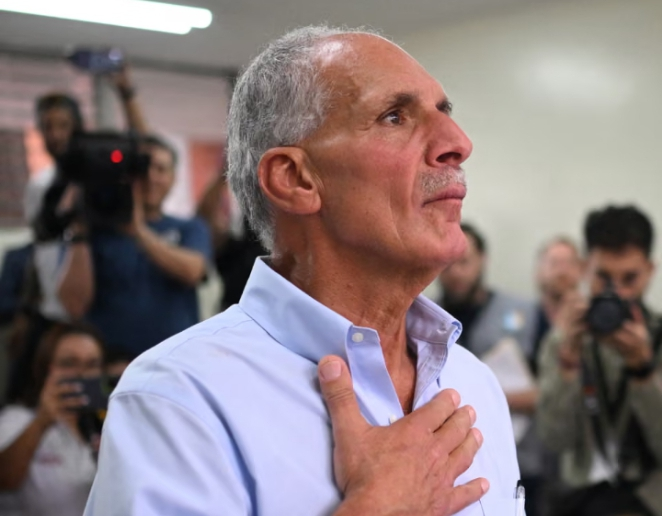
Despite alleging fraud, Nasralla urged supporters to remain peaceful, cautioning against violence and calling for calm amid growing public frustration.
He described the political moment as deeply painful for Honduran citizens, saying the election outcome overshadowed the holiday season with sadness and uncertainty.
Concerns intensified after Honduras’s congressional leadership rejected the declaration, calling it unlawful and lacking constitutional legitimacy under existing electoral statutes.
Congress president Luis Redondo publicly dismissed the announcement, arguing it violated legal procedures governing vote verification and certification.
The electoral council consists of three members representing competing political parties, complicating consensus during an already polarised electoral environment.
Two councillors aligned with Asfura and Nasralla supported declaring a winner, while the representative linked to the ruling Libre party dissented.
The dissenting councillor accused the council majority of participating in an electoral coup and filed formal complaints with the public prosecutor.
These actions raised the likelihood of legal challenges that could further delay resolution and deepen Honduras’s ongoing political crisis.
Trump-backed Asfura declared president of Honduras amid accusations of foreign interference, particularly surrounding statements and actions from the United States president.
Days before voting, Donald Trump publicly endorsed Asfura, warning the United States would reconsider relations if alternative candidates prevailed.
Trump accused rival candidates of communist sympathies and alleged ties to Venezuela, comments widely criticised as diplomatic interference.
The intervention marked a rare instance of direct endorsement by a US president in a Central American election.
On the eve of the election, Trump announced a pardon for former Honduran president Juan Orlando Hernández, a political ally of Asfura.
Hernández had been sentenced to 45 years in prison on drug trafficking charges, intensifying controversy surrounding US involvement.
Critics argued the pardon influenced voter perceptions and undermined the fairness of the electoral environment.
Trump-backed Asfura declared president of Honduras shortly after US officials issued congratulatory statements following the announcement.
US Secretary of State Marco Rubio congratulated Asfura publicly, stating that Honduran voters had spoken and bilateral cooperation would continue.
Rubio’s remarks drew criticism from opposition groups, who argued international validation came before resolving disputed electoral inconsistencies.
Observers warned that premature recognition could undermine democratic accountability and embolden disputed outcomes in fragile political systems.
The election followed years of political instability in Honduras, marked by corruption scandals, contested elections, and public mistrust of institutions.
Outgoing president Xiomara Castro’s administration had pledged electoral transparency, making the disputed declaration especially damaging politically.
Many Hondurans expressed frustration online and in public forums, questioning whether democratic processes genuinely reflected voter intent.
Civil society groups called for independent audits and international mediation to restore public confidence in electoral governance.
Trump-backed Asfura declared president of Honduras as regional analysts warned of long-term consequences for political stability.
Read also:Australia moves to deport British man accused of Neo-Nazi activity after online extremism charges
They cautioned unresolved disputes could trigger protests, institutional paralysis, or further erosion of trust in democratic mechanisms.
As legal challenges loom, Honduras faces weeks of uncertainty ahead of Asfura’s scheduled inauguration in late January.
Whether courts intervene or authorities uphold the declaration will shape the country’s democratic credibility domestically and internationally.