The Trump and Mamdani meeting at the White House on Friday marked a notable moment of potential collaboration, as US President Donald Trump welcomed Zohran Mamdani, New York’s mayor-elect.
Trump praised Mamdani for his “incredible” victory, noting that the mayor-elect had run a strong campaign focused on affordable housing and addressing the cost-of-living crisis in NYC.
“I think this could be the start of something positive,” Trump told reporters. “We want New York to succeed, and this meeting was productive and focused on solutions.”
Mamdani, a democratic socialist, emphasized that his priority was to serve residents, regardless of political differences. “We focused on affordability, utilities, groceries, and making life better for all New Yorkers,” he said.
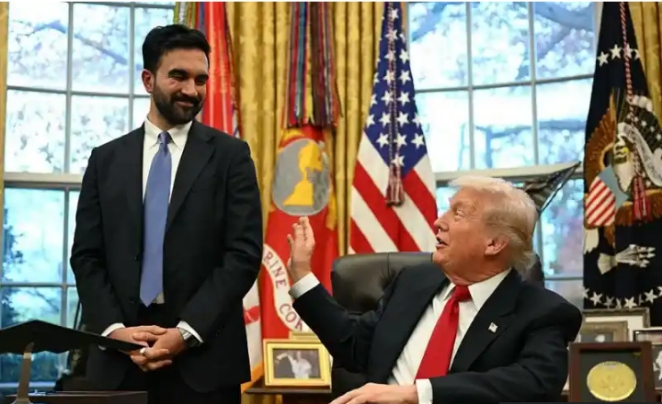
The mayor-elect acknowledged the tension between his policies and Trump’s nativist positions. Despite ideological differences, he said practical collaboration could improve life for millions in the city.
“We spoke about shared priorities,” Mamdani added. “It’s about addressing the cost-of-living crisis in NYC, ending forever wars, and supporting people who are struggling every single day.”
Trump expressed appreciation for Mamdani’s willingness to engage. “I respect what he’s done for his city. And we had a very productive discussion on key issues affecting New Yorkers,” he said.
Political observers noted that the meeting was unusual given the history of mutual criticism. Mamdani was once labeled a “jihadist” by Trump, who also threatened to strip him of US citizenship.
Despite that past acrimony, both leaders agreed to focus on practical solutions, emphasizing collaboration over confrontation. Analysts described the meeting as a rare moment of potential bipartisanship in an increasingly polarized environment.
Mamdani stressed that the discussion was centered on results, not rhetoric. “We looked at concrete ways to address rent, utilities, and groceries. These are tangible issues affecting real families,” he said.
Trump also highlighted the economic angle. “We both know New Yorkers are worried about inflation and rising costs. This meeting is about action, not just politics,” he told reporters.
The mayor-elect indicated that he was ready to engage with Trump’s administration on projects that could directly impact the lives of residents. “Collaboration can make a real difference for 8.5 million people,” he said.
Cost-of-living concerns dominate public discourse in New York. Analysts emphasize that one in four city residents lives in poverty, and many struggle with housing, food, and energy expenses.
“This is not just politics. It’s about addressing the urgent economic reality,” Mamdani said. “Our city needs solutions that work across political lines, and we are committed to pursuing them.”
Trump and Mamdani discussed potential programs for rent stabilization, affordable groceries, and utility cost reductions, emphasizing practical steps rather than ideological battles.
Observers suggested that bipartisan cooperation on city issues could set a precedent, demonstrating that even politically opposed leaders can find common ground for meaningful results.
Mamdani noted that he wanted to understand the perspectives of Trump supporters, especially regarding economic issues and US involvement abroad, while seeking consensus on key municipal policies.
“Many of my voters also voted for him,” Trump said. “That’s fine. It’s about improving New York, and everyone benefits when the city thrives.”
The mayor-elect highlighted that engagement with the White House could help influence federal policy in ways that support local priorities, particularly housing, cost-of-living assistance, and infrastructure projects.
Political analysts emphasized that the Trump and Mamdani meeting demonstrates that dialogue can continue despite partisan divides, provided both leaders focus on shared goals.
Mamdani praised Trump’s willingness to engage in direct talks. “We didn’t waste time on disagreements. We focused on shared objectives, which is rare and important for the people of New York.”
The meeting also touched on US foreign policy. Mamdani referenced his advocacy for ending “forever wars,” noting that reducing unnecessary military commitments could free resources for domestic issues like cost-of-living support.
Trump indicated he was open to considering policy adjustments that could benefit city residents, reflecting a pragmatic approach to governance in a major urban center with complex challenges.
Public reaction to the meeting has been mixed. Some residents expressed cautious optimism that collaboration might result in tangible improvements, while others remain skeptical of political promises.
“This is a moment of opportunity,” said a community organizer in Brooklyn. “If both sides follow through, we could see real progress on housing, utilities, and other urgent needs.”
Analysts noted that Mamdani’s inclusive approach, emphasizing diversity and immigrant communities, contrasts with Trump’s history of restrictive immigration rhetoric, yet common economic priorities create a basis for cooperation.
The mayor-elect indicated that discussions with Trump would continue, with an emphasis on specific programs that could improve quality of life across the city’s boroughs, particularly for marginalized communities.
Trump emphasized that effective leadership requires pragmatism and compromise. “You don’t always have to agree on everything. What matters is results and making life better for people,” he said.
Mamdani also stressed the importance of accountability. “Collaboration only works if it produces measurable outcomes: affordable housing, utility relief, and economic support for those struggling most.”
The meeting has sparked debate in political circles about whether bipartisan cooperation can survive in a polarized environment, and whether local priorities can override national party divisions.
Political commentators suggest that while the meeting is a first step, it demonstrates that constructive engagement between ideological opponents is possible and may be necessary in addressing urgent social challenges.
“This is a template for pragmatic governance,” said one political analyst. “Even amid differences, city leaders can work together for tangible benefits, and that’s what residents want to see.”
Residents will watch closely as Mamdani prepares to take office, and whether the Trump and Mamdani meeting translates into concrete actions to alleviate New York’s cost-of-living pressures.
Both leaders concluded that continued dialogue is essential. Mamdani emphasized that ongoing communication would be needed to turn policy proposals into real-world results for millions of city residents.
“This city deserves leadership focused on solutions,” Mamdani said. “We are committed to working together wherever possible, prioritizing the needs of New Yorkers above political differences.”
Trump echoed the sentiment, emphasizing that effective governance is about tangible results. “New York is a great city. We need to make it better for every resident, and that’s the purpose of this meeting.”
Political observers noted that while the Trump and Mamdani meeting does not erase past conflicts, it represents a rare example of leaders putting practical priorities over partisan animosity.
The mayor-elect’s focus on affordability, social equity, and inclusive governance provides a counterbalance to Trump’s pragmatic, economically-driven approach, offering the possibility of complementary strategies for city improvement.
As New Yorkers face continued challenges with housing costs, utilities, and food prices, the meeting serves as a reminder that collaboration, even among political opponents, can produce meaningful policy discussions.
Mamdani emphasized that citizens’ lives are at the center of all decisions. “Policy cannot exist in a vacuum. It must address real needs, and that’s what we focused on in this productive meeting.”
Trump and Mamdani both indicated that their discussions would continue in the weeks ahead, with follow-up meetings expected to translate dialogue into actionable programs for the city.
“This is not just symbolic,” said an advisor. “It’s about moving from rhetoric to results, which is what residents are demanding amid rising costs and economic pressures.”
The Trump and Mamdani meeting demonstrates that even amid ideological differences, leaders can prioritize shared responsibilities to deliver tangible benefits for residents and communities across New York City.
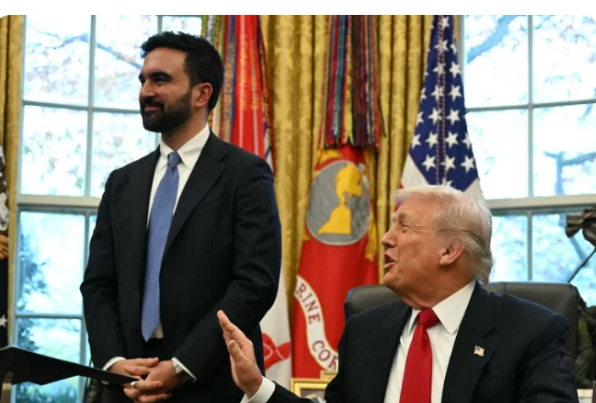
Mamdani concluded, “Our goal is clear: improve quality of life, address affordability, and ensure that governance reflects the needs of the people, not political divisions.”
Trump summarized, “It was a productive meeting. We agreed to communicate, cooperate where possible, and focus on practical outcomes. That’s leadership that New Yorkers deserve.”
About The Author