The “Strait of Hormuz closure” dominates Iran live news after drones struck the US Embassy in Riyadh and Tehran signalled maritime restrictions, deepening fears of regional escalation and disruption.
Israeli forces continued assaults on Tehran and Beirut, including reported strikes near Iran’s state broadcaster, as casualty figures in Iran and Lebanon reportedly surpassed 600 amid intensifying cross-border exchanges.
Saudi authorities confirmed two drones hit the US Embassy compound in Riyadh, causing limited fire damage, while emergency crews quickly contained flames and assessed structural impact without major reported injuries.
Tehran’s announcement of a “Strait of Hormuz closure” raised alarm across global energy markets, given the waterway’s role as a critical artery for oil shipments linking Gulf producers to Europe and Asia.
The United States Embassy in Jerusalem told citizens it is “not in a position” to assist evacuations, directing Americans to shuttle buses organised by Israel’s tourism ministry toward Egypt’s Taba crossing.
In its security alert, the embassy cautioned that any departure via the tourism ministry’s evacuation form could not guarantee safety, underscoring heightened risks amid expanding aerial exchanges and missile alerts.
Witnesses in central Tehran described an alleged Israeli-US “double-tap” strike pattern, claiming successive impacts targeted the same downtown area minutes apart, amplifying panic and complicating emergency response efforts.
Israel has not publicly detailed operational tactics, though officials previously framed strikes as efforts to degrade Iranian military infrastructure following weeks of escalating exchanges across multiple fronts.
Iranian authorities condemned the Riyadh embassy incident and denied responsibility, while reiterating that maritime measures in the Gulf respond to what they called “unlawful aggression” against sovereign territory.
Energy analysts warned that even partial enforcement of a “Strait of Hormuz closure” could spike crude prices, strain shipping insurance markets, and disrupt supply chains already pressured by geopolitical instability.
Regional governments urged restraint, with Gulf states quietly coordinating contingency planning to protect desalination facilities, ports, and offshore platforms from spillover attacks or retaliatory strikes.
In Israel, air raid sirens sounded intermittently, and civil defence guidance instructed residents to remain near shelters as officials assessed potential retaliatory launches from Iranian-aligned groups.
Lebanese authorities reported additional impacts around Beirut’s southern suburbs, though casualty details remained fluid amid damaged infrastructure and communication disruptions.
The US State Department said it was monitoring the Riyadh embassy damage and evaluating diplomatic posture across the region, without announcing immediate changes to staffing levels.
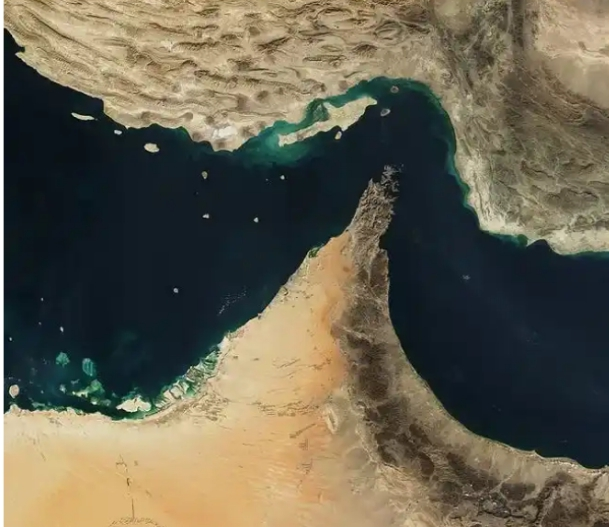
Maritime security firms increased threat advisories for vessels transiting near the Gulf, advising rerouting where feasible and heightened vigilance against drones or anti-ship missiles.
As Iran live news evolves, the “Strait of Hormuz closure” remains the central flashpoint, intertwining battlefield developments with economic stakes that extend far beyond the immediate combat zone.
Read also: Israel strikes Lebanon after Hezbollah missiles as Iran war spreads to Beirut
Meta description: Strait of Hormuz closure escalates Iran live news after drones hit US Embassy in Riyadh, Israeli strikes intensify in Tehran and Beirut, and evacuation warnings heighten regional tension.