Petrol may hit N1,000/litre as Dangote hikes price amid global crude volatility
Retail fuel prices across Nigeria may soon surge as Petrol may hit N1,000/litre as Dangote hikes price, following a fresh upward review of the gantry price at the Dangote Petroleum Refinery.
Industry sources confirmed that the refinery has raised its ex-depot price of Premium Motor Spirit (PMS) from N774 per litre to N874 per litre, a development that marketers say will inevitably push pump prices to between N980 and over N1,000 per litre depending on distribution costs and location.
The anticipated increase comes against the backdrop of renewed volatility in the global crude oil market, triggered by escalating geopolitical tensions in the Middle East.
Gantry price adjustment ripples through market
A senior official familiar with pricing at the refinery disclosed that the adjustment became necessary due to shifts in international crude fundamentals and higher replacement costs.
The new N874-per-litre gantry price has already begun reflecting across the downstream supply chain, with depot operators recalibrating their pricing models to avoid losses linked to volatile input costs.
The National Publicity Secretary of the Independent Petroleum Marketers Association of Nigeria, Chinedu Ukadike, confirmed that once logistics margins and retail overheads are factored in, petrol may hit N1,000/litre as Dangote hikes price.
“Retail pricing is location-sensitive. By the time distribution, bridging, and operating costs are added, the pump price will likely range from N980 to over N1,000,” he said.
Global crude rally intensifies pressure
The domestic price adjustment coincided with a sharp rally in international oil benchmarks. Brent crude climbed significantly following heightened hostilities involving the United States, Israel and Iran.
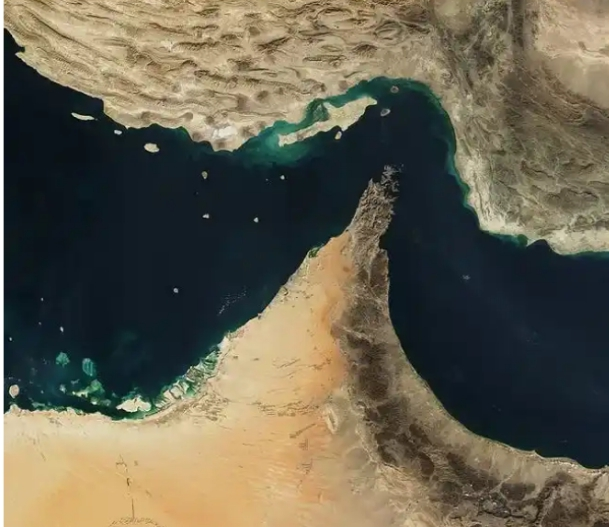
Market analysts have linked the surge to fears of supply disruptions around the Strait of Hormuz — a strategic chokepoint through which roughly one-fifth of global oil consumption transits daily.
Major shipping firms, including Hapag-Lloyd and CMA CGM, have reportedly suspended or rerouted shipments through the corridor due to security risks.
War risk insurance premiums for vessels navigating the region have risen sharply, adding further cost pressure to crude transportation.
With global oil prices approaching $80 per barrel and projections from JPMorgan Chase suggesting that Brent could test $120 per barrel under prolonged disruption scenarios, domestic refiners are facing elevated feedstock costs.
This environment reinforces why petrol may hit N1,000/litre as Dangote hikes price in response to rising crude benchmarks.
Temporary suspension of loading operations
Sources within the downstream sector indicated that petrol loading operations at the refinery were briefly paused to reassess pricing structures after crude prices breached the $80-per-barrel threshold.
While PMS loading was affected, Automotive Gas Oil (diesel) supply reportedly continued uninterrupted.
Depot owners across key distribution hubs also suspended petrol sales temporarily to evaluate replacement costs, reflecting heightened caution in the market.
An industry operator explained, “No marketer wants to sell below replacement cost when global prices are moving rapidly. The market is already pricing in risk premiums.”
Domestic refining and industrial ambition
Despite the pricing volatility, the refinery continues to operate at substantial output levels. The Dangote facility is currently producing an estimated 650,000 barrels of refined products daily, with plans to expand capacity further in the coming years.
President of the Dangote Group, Aliko Dangote, has reiterated that refining is only one pillar of a broader industrialisation strategy encompassing electricity generation, steel manufacturing and port development.
Dangote recently emphasised that industrial transformation requires reliable energy supply, noting that power generation capacity remains a bottleneck for Nigeria’s economic expansion.
The group’s long-term vision aims to reduce import dependence, strengthen local value retention and expand employment opportunities across multiple sectors.
However, in the short term, petrol may hit N1,000/litre as Dangote hikes price due to factors largely outside domestic control — notably international crude market movements.
Impact on consumers and inflation
An increase to N1,000 per litre would mark a significant milestone in Nigeria’s post-subsidy fuel pricing era, with potential ripple effects across transportation, logistics and consumer goods pricing.
Energy economists warn that higher pump prices could intensify cost-push inflation, particularly in urban centres where transport costs directly affect food and commodity distribution.
Small businesses reliant on petrol-powered generators may also face elevated operating expenses, especially given persistent electricity supply constraints.
Nevertheless, analysts argue that transparent, market-driven pricing is essential to ensuring long-term investment stability in the downstream sector.
Structural sensitivity to global markets
The latest development underscores the continued sensitivity of Nigeria’s fuel market to international crude price movements, even with increased domestic refining capacity.
While local refining reduces exposure to imported refined product premiums, feedstock costs remain tied to global oil benchmarks.

Therefore, petrol may hit N1,000/litre as Dangote hikes price not solely because of domestic policy shifts, but due to global supply dynamics and geopolitical risk factors.
If tensions in the Middle East persist and crude prices sustain upward momentum, further adjustments cannot be ruled out.
Conversely, a stabilisation in global oil markets could moderate pricing pressure in subsequent weeks.
Industry observers are closely monitoring crude price trajectories, shipping disruptions and insurance cost trends to gauge near-term fuel pricing direction.
Should Brent crude move toward the $90-per-barrel threshold, analysts caution that retail petrol prices could climb beyond current projections.
For now, the message from the downstream market is clear: petrol may hit N1,000/litre as Dangote hikes price in response to rising global crude costs, placing renewed focus on Nigeria’s energy resilience strategy.
As policymakers and industry players navigate the evolving landscape, the interplay between global oil volatility and domestic refining capacity will remain central to fuel price stability in the months ahead.