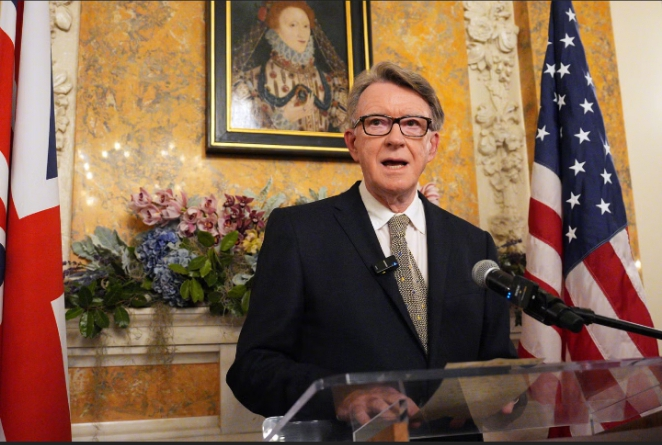
Starmer general election threat dominates UK politics as pressure mounts on the prime minister amid scandal fallout and growing speculation about potential Labour leadership rebellion.
The debate intensified after reports suggested allies hinted he could call an early vote if challenged internally, raising fears across Westminster and financial markets.
Recent political turmoil surrounding appointments and investigations has weakened party unity and increased speculation about possible successors within Labour’s senior leadership ranks.
Political commentators argue the strategy resembles a “last resort weapon”, signalling willingness to risk electoral defeat to maintain authority inside the parliamentary party.
One analysis suggested the prime minister retains power to request parliament dissolution, triggering a national vote that could reshape Britain’s political landscape entirely.
Under current constitutional arrangements, the UK prime minister can ask the monarch to dissolve parliament and hold elections within the five-year parliamentary term.

Government guidance confirms elections can be called when the prime minister requests dissolution from the monarch, restoring traditional constitutional practice after previous legal changes.
Experts note this power was restored after repeal of fixed-term election rules, reintroducing flexibility for governments seeking fresh public mandates during political crises.
The mechanism allows leaders to seek direct public endorsement when political authority weakens or when parliamentary stability appears threatened by internal or external challenges.
Analysts stress dissolution remains formally a royal prerogative power but is exercised following advice from the sitting prime minister under constitutional convention.
Conventionally, such requests are granted unless extraordinary circumstances suggest another government could command parliamentary confidence without requiring immediate elections.
Some constitutional scholars reference long-standing principles suggesting monarchs could theoretically refuse dissolution if parliament remains functional and another viable leader exists.
However, experts emphasise refusal would be extremely rare and politically sensitive, given modern expectations of democratic accountability and elected government legitimacy.
Political observers believe simply threatening elections could discourage MPs from backing leadership challengers, especially when polling suggests poor electoral prospects for governing parties.
Recent polling volatility and economic concerns have heightened fears that sudden elections could trigger market instability similar to past periods of political uncertainty.
Some business leaders reportedly warned leadership turmoil might produce economic disruption, including currency pressure and higher borrowing costs for the government.
Critics argue such warnings risk exaggeration but acknowledge political instability often influences financial markets and investor confidence during sensitive economic periods.
Supporters claim leadership continuity protects economic planning and investor confidence, especially during ongoing global economic uncertainty and domestic policy transitions.
Opponents argue internal party democracy should not be constrained by fears of electoral consequences or economic messaging used to discourage leadership competition.
Within Labour, potential alternative leadership figures are reportedly being discussed, though party unity remains fragile amid continuing political and reputational challenges.
Political commentators say internal contests during scandals historically weaken governing parties and reduce public trust ahead of national elections.
Some strategists believe leadership changes without elections risk accusations of lacking public mandate, despite constitutional rules allowing such transitions legally.
Historical examples show new prime ministers sometimes seek elections to secure legitimacy, though others govern successfully without immediate national votes.
One former prime minister previously stated leaders must remember “the public comes first and the country matters”, reinforcing arguments for democratic accountability.
Supporters of elections argue voters deserve direct say when leadership direction changes significantly from original campaign promises or governing strategy.
Critics counter frequent elections risk instability, policy disruption and voter fatigue, especially during periods of economic or geopolitical uncertainty.
Recent scandals intensified leadership pressure, with investigations and political controversies dominating headlines and influencing party morale.
Reports describe growing frustration among MPs who fear ongoing controversies could damage future electoral prospects if leadership questions remain unresolved.
Some insiders allegedly describe the political situation as deeply destabilising, with speculation about potential resignations and senior advisory changes.
However, public statements from leadership emphasise determination to continue governing and managing political fallout from ongoing investigations.
Political rivals argue government focus appears divided between managing scandals and addressing national policy priorities affecting citizens.
Analysts note political crises often accelerate leadership speculation regardless of whether immediate leadership changes are realistically achievable.
Some MPs reportedly fear leadership challenges could divide the party and benefit opposition parties in future elections.
Political strategy experts say threatening elections resembles deterrence logic, where severe consequences discourage opponents from triggering conflict.
Critics argue such strategies risk appearing reckless if voters perceive leaders prioritising political survival over national stability.
Public opinion remains divided, with some voters favouring strong leadership continuity and others demanding accountability and political renewal.
Polls historically show leadership crises often reduce governing party support, though recovery remains possible depending on crisis management success.
Opposition parties often capitalise on governing party divisions, framing them as evidence of instability and poor governance capability.
Political analysts warn prolonged internal conflict can overshadow policy achievements and dominate media narratives ahead of election cycles.
Constitutionally, elections must occur within five years, but earlier votes remain possible depending on political calculations and strategic leadership decisions.
The current parliamentary timetable means elections could legally occur earlier if dissolution is requested and granted under constitutional procedures.
Read more here: Brown backs Starmer leadership amid serious crisis pressure
Campaign periods typically begin immediately after dissolution, with national campaigns lasting several weeks before nationwide voting occurs.
During election periods, government activity traditionally enters restricted mode, limiting major policy decisions and focusing on routine administration.
Analysts say timing elections strategically can shape campaign narratives, economic messaging and public perception of government competence.
Supporters argue fresh elections strengthen democratic legitimacy, allowing voters to directly evaluate leadership during political controversies.
Critics warn early elections can appear opportunistic or desperate if triggered primarily by internal party pressures rather than national necessity.
Ultimately, analysts say whether the Starmer general election threat becomes reality depends on political survival calculations, parliamentary dynamics and evolving public opinion.
About The Author