Andy Burnham challenges Starmer as he confirmed he is seeking to stand as Labour’s candidate in the Gorton and Denton by-election, opening a potential route back to Parliament and intensifying internal pressure on the party leader.
The mayor of Greater Manchester described the decision as “difficult” but insisted now was “the moment to mount the strongest possible defence” of Labour’s values. His move comes amid mounting concerns about Reform UK gaining ground in the constituency.
In a letter to the party’s National Executive Committee (NEC), released at the 5pm deadline to apply, Mr Burnham reassured the prime minister he would “support the government and not undermine it,” signaling his intent to cooperate despite being viewed as a potential leadership rival.
He explained that the decision followed “careful thought to what is in the best interests of our party and the city region I represent,” emphasizing his sense of responsibility to Greater Manchester.
Without explicitly naming Reform, he warned that there was “a direct threat to everything Greater Manchester has always been about from a brand of politics which seeks to pit people against each other.”
“I see this by-election as the front line of that fight for the Manchester way, and I feel I owe it to a city which has given me so much to lead it from the front, despite the risks involved,” Mr Burnham added, highlighting his personal commitment to the region.
While he applauded government initiatives on rail renationalisation and housing, he said he wanted to help the administration “go further and faster,” indicating a willingness to influence policy from a parliamentary position.
Supporters say this approach could strengthen Labour’s influence in the region, while critics argue it risks a distraction ahead of upcoming elections.
The announcement immediately triggered debate within Labour. Scottish Labour MP Joani Reid warned of an “energy-sapping distraction,” suggesting that the mayoralty itself was “a bigger job than being a backbench MP,” and questioning whether Mr Burnham’s motives were about seeking a quieter role or manoeuvring for leadership.
Another Labour MP described the move as “just going to be a meaningless distraction and a show of ego from Andy,” adding that “he doesn’t seem to care about the damage this will do to the party, politics in general, or Manchester.” The comments underscore the deep divisions emerging over his candidacy.
Despite criticism, many MPs and party members warned that preventing Mr Burnham from standing could have serious consequences. One told The Independent: “If Keir Starmer and his chief of staff Morgan McSweeney push ahead with a stitch-up which blocks the mayor of Greater Manchester from being the candidate, it will damage the party hugely in the North and across the country.”
Connor Naismith, Labour MP for Crewe and Nantwich, tweeted: “There is no legitimate reason why a candidate of Andy’s calibre should be denied being put before the party membership,” echoing wider calls for a fair process. Supporters argue that his candidacy would allow Labour to lead with “values, not factionalism.”
Deputy Labour leader Lucy Powell, a known ally of Mr Burnham, told the Fabian Society conference that whether he should stand “should be up to Andy and the local members.” She emphasised the importance of a democratic selection process, suggesting that any top-down interference would undermine party cohesion.
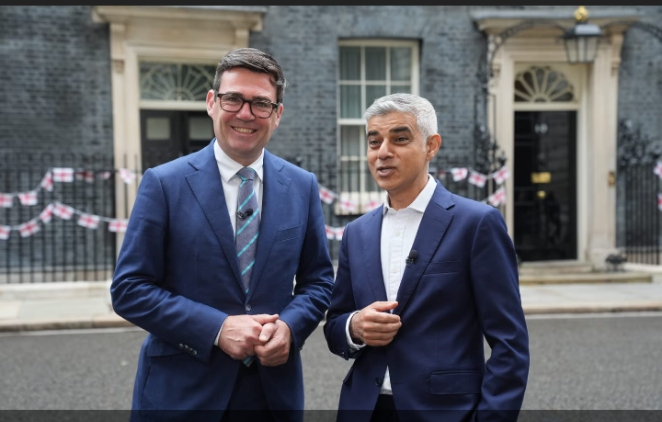
London mayor Sadiq Khan also publicly supported Burnham’s right to run, confirming he would campaign for him if selected. “I’m a firm believer in the best team having all the talent playing for them,” Mr Khan said. His comments signal that other senior figures within the party back a strong and open contest.
Health secretary Wes Streeting, however, declined to comment definitively, stating: “This is a matter for the party, not the cabinet, and I’ve been told in no uncertain terms that is my answer.” The statement reflects the careful balancing act within Labour’s top ranks.
Burnham has long been seen as a potential challenger to Sir Keir Starmer in the Labour leadership. He previously criticised demands for “simplistic statements of loyalty” to the party leader, warning they underestimated “the peril” facing Labour ahead of the May council elections in Scotland, Wales, and England.
In recent speeches, Mr Burnham repeated his claims that Britain is too “in hock to the bond markets” and promoted what he called “business-friendly socialism,” positioning himself as an alternative voice on economic matters within the party.
The pathway back to Parliament opened after suspended Labour MP Andrew Gwynne formally resigned from the Gorton and Denton seat due to ill health.
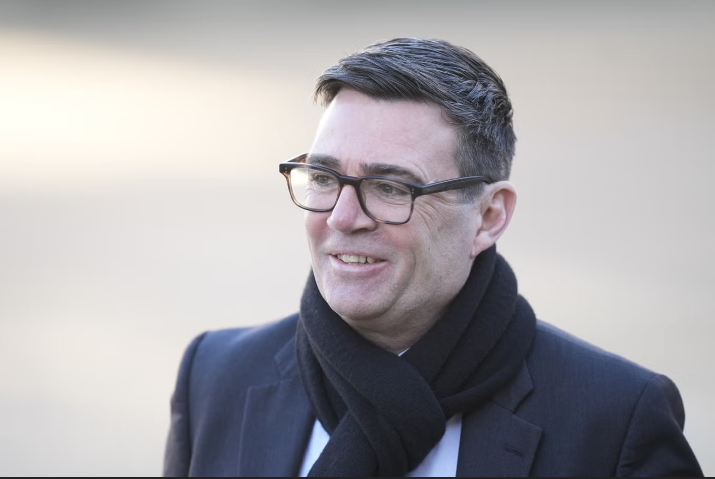
This vacancy now provides Mr Burnham with the opportunity to return to Commons politics, a move that could reshape internal party dynamics ahead of crucial elections.
As a serving mayor, Burnham must seek NEC approval to contest the by-election, a process that has not yet produced a decision.
The committee, which includes many Starmer loyalists, now faces the difficult choice of balancing internal party rules with potential backlash from members, trade unions, and the wider electorate.
Labour MPs have been vocal about the risks of blocking his candidacy. Chris Webb warned that any interference would have “serious lasting consequences,” while Richard Burgon wrote on X: “Fixing the selection to keep him off the ballot would be an affront to party democracy and a sign nasty factionalism is a higher priority than reversing the rise of Farage and Reform.”
Even among MPs critical of Starmer, some expressed frustration with Mr Burnham’s approach. One said: “He just likes being the centre of attention. It’s craven and the worst kind of politics… He could have no doubt got elected in 2024 but chose not to.”
Supporters counter that Burnham is widely popular with the public and seen as one of Labour’s most effective communicators. They argue that his participation could galvanise voters and help Labour present a coherent message against Reform UK, which placed second in the seat at the last election.
The Gorton and Denton by-election has quickly become a focal point for debates about leadership, loyalty, and party strategy. Burnham’s return is interpreted by many as a test of Starmer’s authority, as well as an opportunity to reinforce the party’s presence in the North of England.
In his own words, Mr Burnham framed the by-election as a challenge not only to Reform politics but also to complacency within his own party. “I feel I owe it to a city which has given me so much to lead it from the front,” he said, emphasising the personal and political stakes of the decision.
As Labour prepares for a busy year of elections, the party’s National Executive Committee faces a critical decision. How it responds to Burnham’s bid will signal how the leadership balances internal democracy with the pressures of national politics.
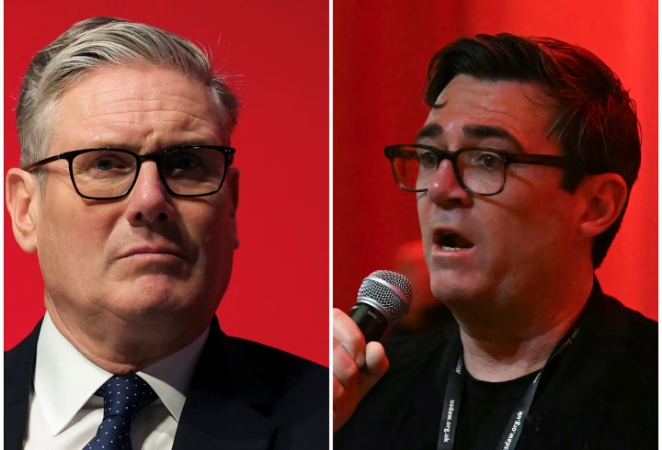
The decision could also affect wider perceptions of Labour leadership and Starmer’s control over candidate selections. Supporters of Burnham argue that any attempt to block him would be seen as “a stitch-up from the top,” damaging the party’s credibility and cohesion.
For now, Andy Burnham challenges Starmer at a moment of high political tension. The NEC’s forthcoming decision on his candidacy will likely shape the narrative of Labour’s internal politics for months to come.
Read also: Doctor warns UK Palestine Action hunger striker faces critical risk as protest continues
About The Author