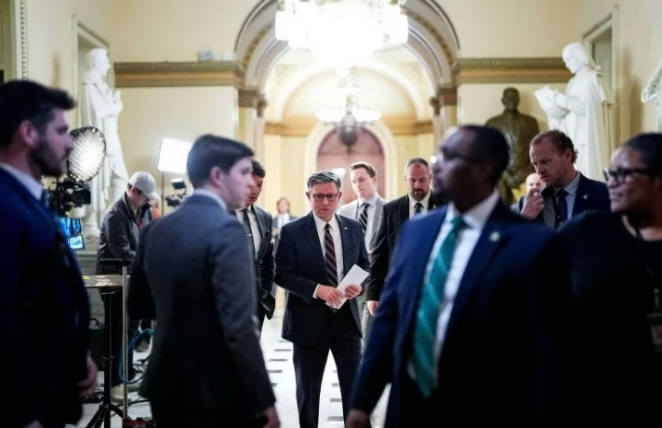
Starmer calls for apology from Jim Ratcliffe after the Manchester United co-owner claimed the UK has been “colonised by immigrants” during a television interview that has triggered sharp political and public reaction.
The prime minister described the remarks as “offensive and wrong”, escalating a row that has placed immigration debate, welfare spending, and political leadership under renewed scrutiny.
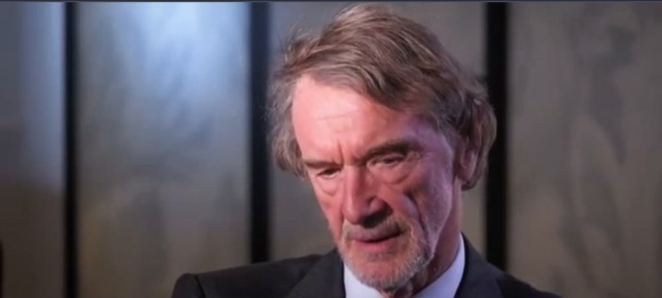
Sir Jim Ratcliffe, founder and chairman of chemicals giant Ineos and minority owner of Manchester United, made the controversial statement while discussing immigration policy and economic pressures.
Speaking on Sky News, he said: “You can’t have an economy with 9 million people on benefits and huge levels of immigrants coming in. I mean, the UK is being colonised. It’s costing too much money. The UK has been colonised by immigrants.”
The language immediately drew condemnation from Downing Street.
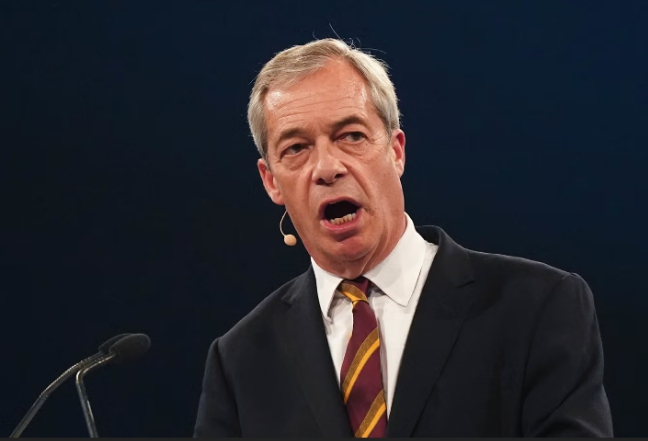
Responding publicly, Sir Keir Starmer wrote: “Offensive and wrong. Britain is a proud, tolerant and diverse country. Jim Ratcliffe should apologise.”
The prime minister’s response underscored the seriousness with which the government viewed the comments, particularly given the sensitivity surrounding UK immigration policy and social cohesion.
The dispute has quickly become one of the most high-profile clashes between a leading business figure and the Labour government since the general election.
Ratcliffe, one of Britain’s wealthiest industrialists, has previously expressed strong views on Brexit, economic reform, and competitiveness. His latest intervention has reignited debate about immigration statistics, welfare dependency, and the broader direction of the British economy.
During the same interview, Ratcliffe cited population figures that were later challenged. “I mean, the population of the UK was 58 million in 2020, now it’s 70 million,” he said. “That’s 12 million people.” However, official data from the Office for National Statistics estimates the UK population was approximately 67 million in 2020, with 58 million recorded roughly 25 years ago.
Critics argued that inaccurate figures risk inflaming an already polarised immigration debate.
Ratcliffe maintained that rising migration levels and the number of people receiving benefits were placing unsustainable strain on public finances. “You can’t have 9 million people on benefits,” he said, linking welfare spending to economic stagnation.
His comments reflect a broader argument frequently advanced by critics of current immigration levels — that reform is necessary to protect public services and restore growth.
The prime minister’s allies insisted that such characterisations misrepresent the complexity of UK immigration policy and economic performance.
They emphasised that migration contributes significantly to sectors including healthcare, technology, hospitality and higher education. Britain, they argue, has long benefited economically and culturally from migration flows.
Ratcliffe also questioned Starmer’s leadership approach, suggesting the prime minister might lack the ruthlessness required to implement difficult reforms. “I don’t know whether it’s just the apparatus that hasn’t allowed Keir to do it or he’s maybe too nice – I mean, Keir is a nice man,” Ratcliffe said. “I like him, but it’s a tough job and I think you have to do some difficult things with the UK to get it back on track.”
The businessman added that meaningful economic recovery would require leaders willing to take “unpopular” decisions. “I think it needs somebody who’s prepared to be unpopular for a period of time to get the big issues sorted out,” he concluded. That remark has been interpreted by some commentators as an implicit endorsement of tougher immigration controls and stricter welfare reform.
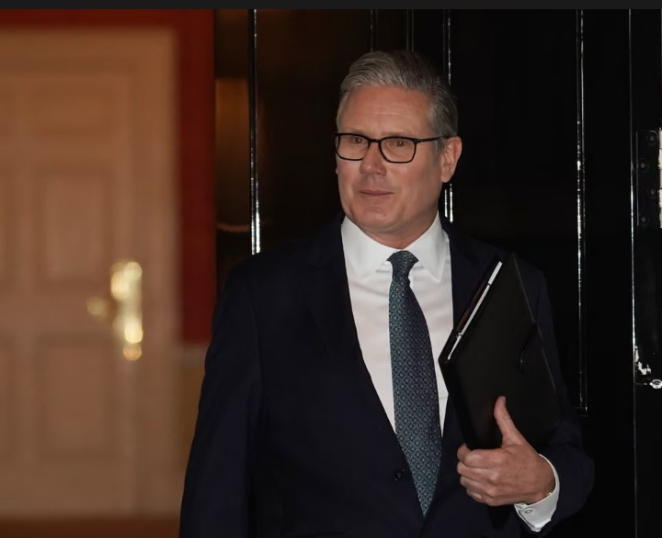
Ratcliffe also spoke favourably about Reform UK leader Nigel Farage, describing him as “an intelligent man” with “good intentions.” While acknowledging that similar hopes were once expressed about Starmer entering government, he implied that stronger measures may now be required to address what he views as structural weaknesses.
The controversy has extended beyond Westminster into the world of football. As Manchester United co-owner, Ratcliffe has already faced scrutiny over decisions relating to ticket pricing, club restructuring, and cost controls since Ineos assumed control of football operations in late 2023. His immigration comments have now added a political dimension to criticism from some supporters.
Muslim Manchester United Supporters said they were “deeply concerned” by the remarks, warning that “such rhetoric has real-world consequences.” The group emphasised that Manchester is one of the UK’s most diverse cities, with communities shaped by generations of migration.
Anti-racism charity Kick It Out described the comments as “disgraceful” and “deeply divisive.” In a statement, the organisation said: “In addition to the inaccurate figures mentioned, it’s worth reminding him that Manchester United has a diverse fan base and plays in a city whose cultural history has been enriched by immigrants. This type of language and leadership has no place in English football.”
The episode also raises questions about corporate responsibility and public messaging. Ineos, Ratcliffe’s multinational chemicals company, employs more than 26,000 people across dozens of countries.
Last year, it received £120m in UK state aid aimed at protecting jobs. Critics have argued that such support underscores the interconnected nature of business, government policy, and public accountability.
Ratcliffe has been living in Monaco since 2020, a move that attracted attention given his previous outspoken support for Brexit and British industry.
Supporters say his global business experience gives him insight into competitiveness challenges. Detractors argue that his residence abroad weakens his authority to lecture on domestic policy.
The broader UK political backlash reflects how immigration remains one of the most contentious issues in British politics. Net migration levels, border control measures, and asylum processing have dominated parliamentary debates for years.
Starmer’s government has sought to balance economic needs with public concerns, promising pragmatic reform while rejecting rhetoric viewed as inflammatory.
Political analysts note that high-profile interventions from business leaders can shape public discourse, particularly when they touch on identity and national direction. However, the language used often determines whether arguments are received as constructive policy critique or as divisive commentary.
For Starmer, the decision to demand an apology signals a clear attempt to draw boundaries around acceptable public language. By stating that Britain is “a proud, tolerant and diverse country,” the prime minister positioned his response within a broader defence of multicultural values.
For Ratcliffe, the fallout illustrates the risks associated with speaking bluntly on politically charged topics. While some voters may agree with his concerns about immigration levels and welfare spending, others view the phrase “colonised by immigrants” as unnecessarily provocative and historically loaded.
As the debate continues, attention will likely focus on whether Ratcliffe clarifies or retracts his remarks, and whether the government introduces further measures on immigration reform.
With economic pressures, public spending constraints, and political competition intensifying, immigration debate is expected to remain central to national discussion.
The clash between Downing Street and one of Britain’s most prominent businessmen highlights deeper tensions over identity, economic strategy, and leadership style. It also demonstrates how comments made in a single interview can quickly escalate into a nationwide controversy.
For now, Starmer calls for apology from Jim Ratcliffe stands as both a political rebuke and a signal of the government’s stance on language surrounding immigration. Whether the row fades or reshapes the broader conversation on UK immigration policy and welfare reform remains to be seen.
Read also: Canadian Police identify Tumbler Ridge school shooting suspect after nine killed
About The Author