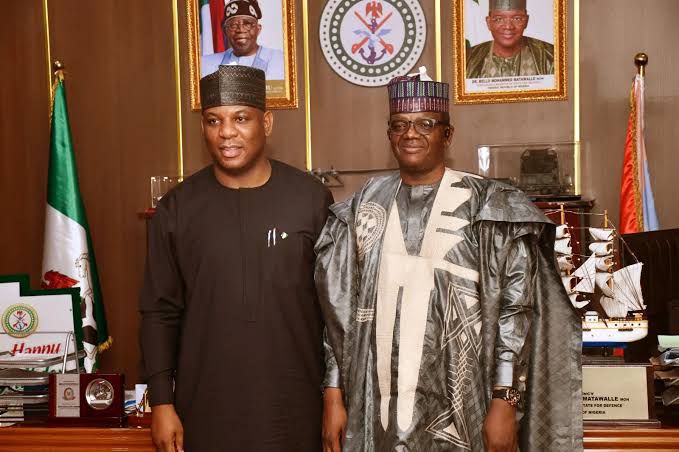
South Korea’s former Prime Minister Hwang Kyo-ahn and ex-spy chief Cho Tae-yong have been arrested over the martial law declaration made by former President Yoon Suk-yeol, officials report.
Hwang faces charges of inciting an insurrection, while Cho is accused of dereliction of duty under the National Intelligence Service (NIS) law. Both arrests intensify the ongoing political crisis.
The martial law declaration by Yoon in December 2024 triggered nationwide controversy, as opposition lawmakers and human rights groups criticized it as an unconstitutional power grab threatening democracy.
According to Yonhap, Hwang used his social media accounts to call for the arrest of South Korea’s National Assembly speaker, citing alleged electoral fraud, in the wake of the martial law declaration.
Cho, formerly a close ally of Yoon, is charged with failing to inform the National Assembly about plans to impose martial law, despite being aware of its illegality and potential consequences.
“The NIS Act requires its director to report situations significantly affecting national security to the National Assembly,” Yonhap noted, emphasizing Cho’s failure to comply during the declaration episode.
Prosecutors argue that Cho, a career diplomat, deliberately ignored his duty, fully understanding the unlawful nature of Yoon’s martial law declaration. Cho has denied all allegations during court hearings.
The arrests of Hwang and Cho follow a new indictment against Yoon, removed from office in April 2025, who remains in detention pending trial over the declaration and related charges.
The latest indictment claims Yoon attempted to provoke military conflict with North Korea by covertly sending drones into its territory, aiming to justify the martial law declaration he declared.
One drone reportedly crashed near Pyongyang, leaking sensitive military information. Prosecutors cite this as evidence of Yoon’s reckless abuse of power during the martial law declaration episode.
State Prosecutor Park Ji-young said special counsel teams filed charges of benefitting the enemy and abusing presidential authority, underscoring the gravity of the martial law declaration and Yoon’s actions.
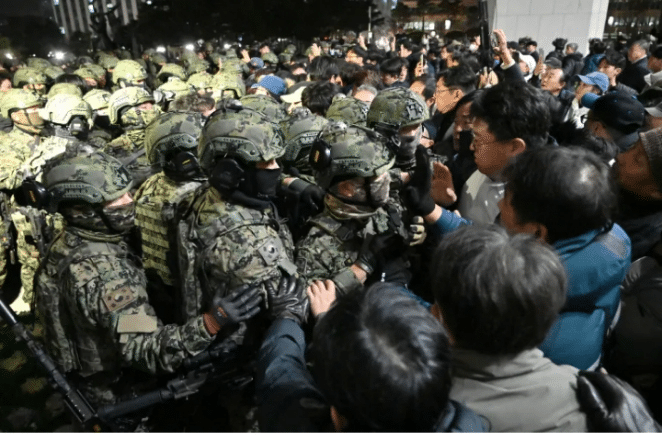
Yoon’s attempt to enforce martial law involved deploying armed soldiers to the National Assembly to halt lawmakers from opposing the declaration, a move widely condemned as a threat to parliamentary independence.
Despite Yoon’s efforts, lawmakers successfully nullified the martial law declaration, and Yoon was detained in January, becoming the first sitting South Korean president to face custody for attempted overreach.
Yoon’s wife, Kim Keon-hee, is also in custody on corruption charges, including bribery and stock manipulation, making her the first former first lady detained alongside her husband in South Korea.
Kim’s trial runs concurrently with Yoon’s legal proceedings, with prosecutors alleging she leveraged her position to gain financial benefits and influence political decisions, exacerbating the scandal surrounding the martial law declaration.
The arrests of Hwang and Cho reflect a broader crackdown on officials involved in or complicit with the martial law declaration, highlighting the government’s efforts to restore constitutional order.
Political analysts argue the legal actions demonstrate an unprecedented assertion of judicial authority over executive overreach, reinforcing the balance of power between South Korea’s government branches.
Divisions persist within South Korea’s ruling party, as Yoon supporters claim the charges surrounding the martial law declaration are politically motivated, while opponents insist on accountability.
Public opinion remains sharply split, with protests in Seoul demanding transparency regarding the declaration and judicial handling of Yoon, Hwang, and Cho’s cases.
International observers are closely monitoring South Korea, concerned about political stability and potential implications of the martial law declaration for regional security on the Korean Peninsula.
The United States and Japan emphasized the importance of constitutional governance and due process, highlighting global concern over Yoon’s attempt to enforce martial law and its destabilizing effects.
The National Assembly has pledged to implement stronger oversight mechanisms to prevent future attempts at imposing martial law declaration unconstitutionally, signaling a commitment to democratic safeguards.
Legal experts note that the martial law declaration case may establish critical precedents on presidential accountability and limits of executive authority, shaping governance in future administrations.
Cho’s indictment underscores the importance of intelligence agencies remaining impartial and accountable, a fundamental principle reinforced by his failure during the martial law declaration episode.
Failing to report unconstitutional actions that threaten national stability constitutes a serious violation of domestic law, international standards, and the responsibilities of senior officials like Cho.
Hwang’s indictment highlights that political leaders cannot incite actions undermining legislative authority without facing criminal repercussions, emphasizing the legal consequences of supporting the martial law declaration.
The judiciary faces intense scrutiny for its handling of high-profile cases such as the martial law declaration, balancing public demand for justice with the broader political impact of the trials.
Prosecutors are reviewing additional evidence and witness testimony, indicating that the investigation into the martial law declaration and related abuses could expand, potentially implicating more officials.
The broader inquiry also examines Yoon’s relationships with private actors and whether financial or political backing facilitated his unlawful martial law declaration, raising questions about corruption and collusion.
Legal analysts suggest the trial outcomes could reshape South Korea’s political landscape, influencing voter perceptions and party dynamics ahead of upcoming elections.
International human rights organizations have urged fair trials and due process for all accused in connection with the martial law declaration, warning against political influence while acknowledging the severity of the offenses.
Opposition lawmakers continue demanding comprehensive reporting from prosecutors on the martial law declaration, emphasizing transparency, accountability, and public trust in South Korea’s democratic institutions.
Hwang and Cho’s arrests mark a critical juncture in South Korea’s democracy, illustrating the fragility of constitutional order when executive power attempts to circumvent parliamentary authority.
Observers note that judicial decisions on the martial law declaration could affect regional perceptions of South Korea’s stability and its adherence to rule-of-law principles.
The episode underscores the ongoing tension between national security and civil liberties, reminding South Korea of its historical experiences with military rule and the importance of constitutional safeguards.
Experts predict that reforms in intelligence oversight may follow the martial law declaration case, ensuring that future administrations cannot misuse security agencies for political gain.
Yoon’s actions, combined with Cho’s alleged complicity, demonstrate how executive overreach can destabilize democratic institutions, prompting legal and institutional safeguards as a preventative measure.
Public debate continues over whether the judicial process adequately addresses the seriousness of the martial law declaration, with media coverage reflecting polarized views on justice and accountability.
The arrests of Hwang and Cho send a clear warning that attempts to bypass constitutional governance, as seen in the martial law declaration, will face rigorous scrutiny and legal consequences.
South Korea’s political crisis has sparked renewed discussions about the role of former presidents and intelligence leaders, emphasizing loyalty limits during constitutional emergencies like the martial law declaration.
Observers stress that maintaining democratic stability requires active vigilance from political leaders, civil servants, and the judiciary, particularly in countries with histories of military intervention.
Trials are expected to continue for months or even years, given the complexity of the martial law declaration charges and the prominence of the defendants, highlighting the case’s historic nature.
The episode also reveals vulnerabilities in South Korea’s political system, prompting calls for strengthened checks and balances to prevent future unilateral attempts to impose martial law declaration.
International media closely monitor developments, assessing South Korea’s ability to resolve high-level political crises while maintaining democratic stability and adherence to constitutional law.
The ongoing investigation has sparked nationwide debate among legal scholars, political analysts, and citizens about accountability, transparency, and the intersection of intelligence operations with democratic oversight.
Prosecutors emphasize that holding all responsible parties accountable is crucial to restoring public confidence following the martial law declaration and ensuring no future abuses occur.
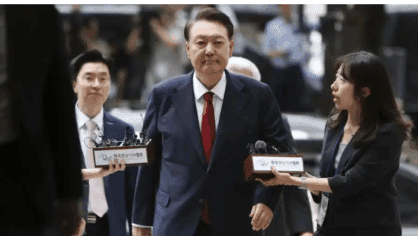
This case stands as one of the most significant legal confrontations involving a former South Korean president, with implications for governance, civil-military relations, and constitutional interpretation related to martial law declaration.
Legal observers believe that the trial’s outcomes may influence international perceptions of South Korea’s commitment to the rule of law and its capacity to resolve high-profile political crises effectively.