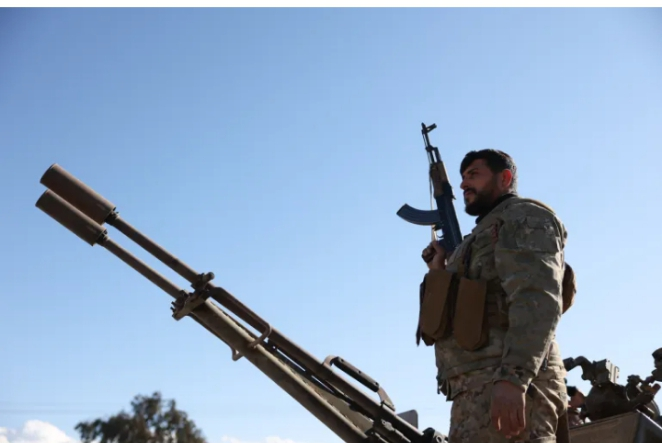
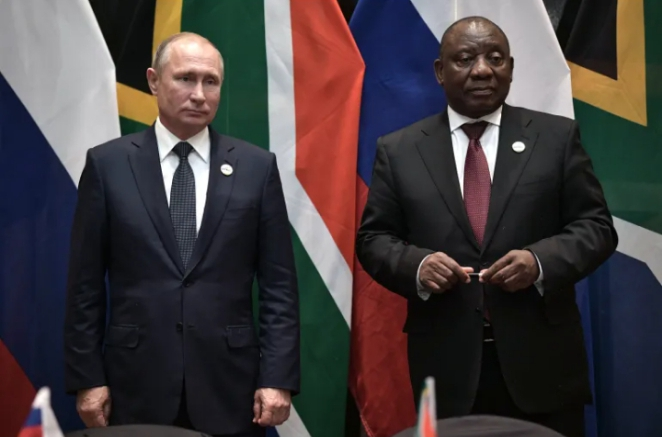
South Africa secures return of 11 men ‘lured’ into Russia-Ukraine war, with President Cyril Ramaphosa expressing gratitude to Russian President Vladimir Putin for helping repatriate the citizens.
A total of 11 South African men who had been “lured” into fighting for Russia in Ukraine are set to return home, the South African presidency confirmed on Tuesday.
The men, aged between 20 and 39, had reportedly been tricked into joining mercenary forces under promises of lucrative employment abroad, before finding themselves trapped in the intensifying conflict in eastern Ukraine’s Donbas region.
Four of the men had already landed back in South Africa last week, while the remaining 11 are expected soon.
President Ramaphosa conveyed his “heartfelt gratitude” to President Vladimir Putin, who responded positively to the diplomatic requests for assistance in repatriating the men.
The process follows a commitment by Moscow earlier this month, and the South African government emphasized that investigations into how the men ended up recruited are ongoing.
South African law prohibits citizens from fighting for foreign armies without explicit government authorization.
The case has highlighted a broader pattern affecting African countries. Similar reports have emerged from Kenya and Zimbabwe, where young men were fraudulently recruited for foreign conflicts under the guise of employment contracts.
Ukraine’s foreign ministry noted that more than 1,400 individuals from 36 African nations have been identified among Russian ranks.
Kenya’s intelligence agency recently reported that over 1,000 Kenyans were recruited to fight in Ukraine, with dozens currently active on the front line.
Investigations in South Africa are ongoing, including scrutiny of Duduzile Zuma-Sambudla, daughter of former President Jacob Zuma, for her alleged role in recruiting some of the men.
Zuma-Sambudla resigned from parliament following the allegations but denies any wrongdoing. South African officials have assured that the men were released following questioning by authorities, even as inquiries continue into their recruitment.
South Africa continues to maintain a non-aligned stance in the Ukraine conflict, balancing diplomatic ties with Moscow as a fellow BRICS member while avoiding direct involvement in the war.
The Donbas region, largely controlled by Russian forces, remains a key focal point of the ongoing conflict, with Ukraine refusing to cede territory despite Russian advances.
This repatriation underscores the risks faced by African citizens drawn into foreign conflicts under deceptive circumstances and illustrates the continuing diplomatic cooperation between Pretoria and Moscow to resolve such humanitarian cases.
Read also: Japan plans missile deployment on Yonaguni Island by 2031, heightening Taiwan tensions
South African officials emphasized that the safe return of the men would not have been possible without coordinated diplomatic engagement.
Embassy staff in Russia maintained regular contact with the families of the trapped men, relaying information and monitoring their wellbeing throughout the months-long ordeal.
The presidency noted that lessons from this case would inform future government strategies to prevent citizens from being exploited by foreign recruiters.
Human rights organizations have also voiced concern over the ongoing exploitation of young Africans in conflict zones.
They warn that without stronger international regulations and enforcement, similar incidents could continue, putting vulnerable populations at risk.
Advocacy groups are calling on African governments to improve awareness campaigns and strengthen oversight of employment offers abroad to deter fraudulent recruitment.
About The Author