

Japan plans missile deployment – Japan missile deployment will position advanced surface-to-air missiles on Yonaguni, its westernmost island, by 2031, confirmed. The move signals a shift toward stronger defense against regional threats.
The missiles, capable of intercepting aircraft and ballistic threats, will extend Japan’s monitoring capacity near Taiwan. Defense minister Shinjiro Koizumi emphasized the deployment timeline aligns with infrastructure preparation.
Koizumi explained that the deployment depends on facility readiness, with a target for fiscal 2030. He stressed that the government will provide detailed briefings for local residents before operations begin.
Prime minister Sanae Takaichi previously indicated that any Chinese military aggression against Taiwan could trigger involvement by Japan’s Self-Defense Forces, underlining Tokyo’s growing security commitment.
China has protested the statements, warning that Japan’s missile deployment could worsen tensions. Beijing also restricts certain exports to Japan, citing concerns about regional remilitarization and security escalation.
Japan’s shift in defense focus reflects the growing threat perception from China in the East China Sea, moving attention away from northern challenges posed by Russia.
Yonaguni already hosts a small Self-Defense Force base, with radar units monitoring Chinese naval movements. Approximately 160 personnel track activity from mountain positions around the clock.
Local residents, numbering around 1,500, previously approved hosting a base. Nevertheless, many express concern about the island becoming a frontline in a potential military confrontation near Taiwan.
Koizumi visited Yonaguni last November to assess readiness. He promised that the ministry would hold public consultations and explain missile deployment plans before stationing additional forces.
The new surface-to-air systems will complement an electronic warfare air-defense unit planned for the coming fiscal year, enhancing Japan’s capacity to respond quickly to potential threats.
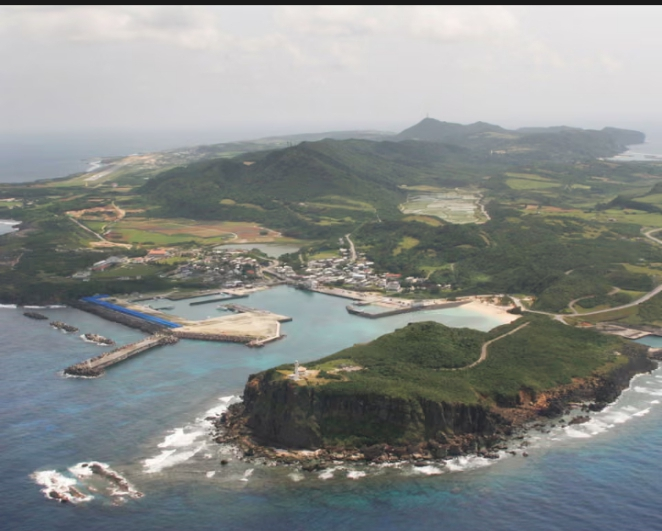
Yonaguni is located about 100 kilometers from Taiwan, making it a strategic point for monitoring air and maritime traffic. The deployment raises questions about regional stability and deterrence.
Tokyo and Beijing continue disputes over repeated intrusions near the Senkaku Islands. These uninhabited islets, about 150 kilometers from Yonaguni, are claimed by China but administered by Japan.
Japan argues that strengthening defenses on remote western islands is necessary to protect its territorial integrity and ensure the security of vital shipping lanes in the East China Sea.
Officials emphasize that the missile systems are defensive, intended to protect airspace rather than provoke conflict. Yet analysts warn the deployment could be interpreted as a provocative step by Beijing.
The Yonaguni deployment is part of broader Japanese efforts to modernize its Self-Defense Forces, including increasing surveillance capabilities and upgrading missile defense systems across other remote islands.
Sanae Takaichi’s earlier remarks linking Japan’s security to Taiwan’s fate drew sharp reactions from China, which views Taiwan as a renegade province awaiting reunification under Beijing’s authority.
China has not ruled out force to achieve reunification with Taiwan. In response, Japan is reinforcing capabilities on islands like Yonaguni to deter potential threats and reassure regional allies.
Local residents are particularly concerned about the environmental and social impacts of militarization. Yonaguni is known for its natural beauty, miniature horses, and marine life, including hammerhead sharks.
The Self-Defense Force base opened in 2016. Japan plans to expand electronic warfare and air defense units, integrating advanced radar systems to monitor both Chinese and other regional military movements.
Japan’s defense ministry asserts that community engagement remains critical. Officials have promised meetings with Yonaguni residents to explain operations, safety measures, and strategic purposes of missile deployment.
Experts argue that Yonaguni’s location allows early warning against potential ballistic threats. The island acts as a forward monitoring post, strengthening Japan’s ability to defend itself and allies in East Asia.
Regional analysts emphasize that the deployment could reshape dynamics in the East China Sea, prompting China to reassess military positioning and potentially accelerating arms modernization programs.
Japan missile deployment reflects an increasingly assertive strategy to protect maritime borders, territorial claims, and shipping lanes, signaling Tokyo’s readiness to counter emerging regional security challenges.
Defense analysts highlight that Yonaguni provides strategic depth. Monitoring air and naval movements near Taiwan allows Japan to anticipate threats while signaling deterrence without escalating direct confrontation.
China and Japan continue economic and diplomatic exchanges despite rising tensions. However, military developments like Yonaguni missiles underscore persistent mistrust and diverging strategic priorities between the two nations.
The deployment timeline anticipates completion by March 2031. Coordination with other Self-Defense Force units will ensure seamless integration, rapid response capability, and continuous monitoring of potential threats.
Yonaguni residents have repeatedly voiced mixed feelings. While supporting national security, they remain concerned about turning the island into a potential conflict zone due to proximity to Taiwan and disputed waters.
Japan emphasizes that its missile systems remain defensive. The Ministry of Defense maintains that Yonaguni deployment strengthens regional security and deters aggression while aligning with Japan’s pacifist constitution.
Security analysts suggest that the move could encourage other regional powers to expand their military presence in response, potentially altering the strategic balance across the East China Sea and beyond.
Japan missile deployment also aims to reassure allies such as the United States, who maintain an interest in regional stability and the security of Taiwan, a democratic self-governing entity.
Read also:Rubio briefs lawmakers on Iran as Trump threatens Tehran in State of the Union
Yonaguni’s missile deployment represents Japan’s strategic pivot to counter Chinese influence near Taiwan. It balances defense modernization, deterrence, and local community engagement amid a tense geopolitical climate.
The coming years will determine how China, Taiwan, and Japan navigate this escalation. Effective diplomacy and communication will be crucial to prevent incidents and maintain stability in the East China Sea region.
About The Author


