

Marco Rubio briefs lawmakers on Iran amid rising tensions between Washington and Tehran, as the Trump administration escalated diplomatic pressure while positioning significant US military assets across the Middle East.
The rare closed-door briefing was delivered by Marco Rubio to senior congressional leaders from both parties, reflecting mounting concern inside Washington over Iran’s nuclear ambitions.
The classified session took place only hours before Donald Trump used his State of the Union address to issue a stark warning that Iran would never be permitted to acquire nuclear weapons.
Trump told lawmakers that Tehran continued advancing missile technology capable of threatening US allies and, eventually, American territory, while stopping short of presenting public evidence.
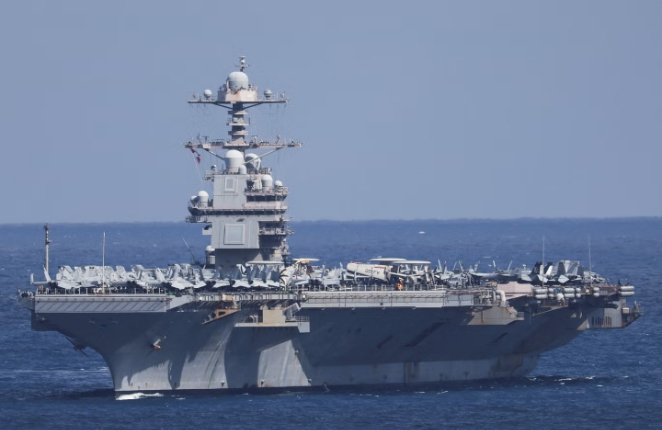
The administration insisted it still preferred a negotiated settlement, even as it oversaw the largest US military deployment to the region since the Iraq war buildup in 2003.
A second American aircraft carrier strike group was moved into position, giving Washington expanded operational reach should diplomacy fail.
Rubio’s briefing was delivered to the so-called “gang of eight,” a select group that receives the most sensitive intelligence on national security matters.
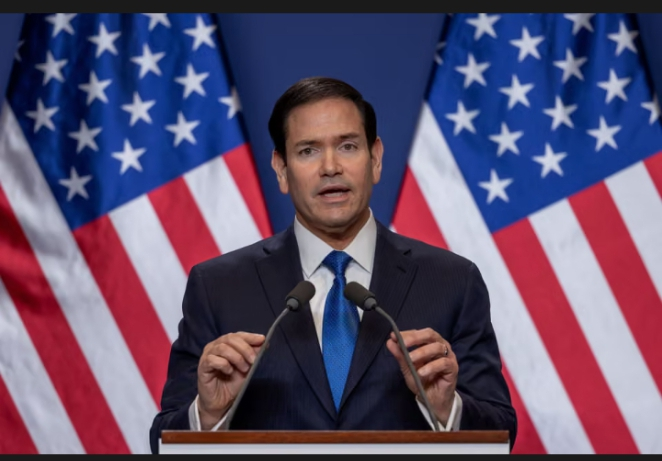
Lawmakers exiting the meeting described the discussion as unusually serious, with intelligence assessments outlining potential escalation scenarios.
Democratic leaders voiced unease that military action could entangle the United States in another prolonged Middle Eastern conflict.
Republican officials largely defended the administration’s posture, arguing that credible military pressure was necessary to deter Tehran.
Energy markets reacted quickly, with oil prices climbing amid fears that regional instability could disrupt supply routes.
The administration also ordered the evacuation of non-essential personnel from select US diplomatic missions, citing an elevated threat environment.
Officials pointed to Iran’s support for regional proxy groups as a continuing source of instability.
Iranian leaders rejected US accusations, insisting their nuclear programme remained peaceful and their missile development defensive.
Tehran’s deputy foreign minister said negotiations could advance rapidly if Washington narrowed its demands to nuclear issues alone.
US negotiators expressed skepticism, noting past agreements had failed to restrain Iran’s broader military activities.
Defense officials privately warned that even limited strikes could provoke retaliation across multiple fronts.
Israel closely monitored developments, viewing Iran’s capabilities as a direct national security threat.
Trump publicly dismissed reports suggesting senior military officials opposed action, arguing the armed forces were prepared to act if ordered.
White House advisers acknowledged that the president’s warnings had created an implicit deadline for progress in talks.
Failure to reach an agreement, officials said, would force Washington to reconsider its approach.
Foreign policy analysts cautioned that rigid ultimatums could leave both sides with diminishing diplomatic exits.
Some experts argued the military buildup was designed primarily to strengthen Washington’s hand at the negotiating table.
Others warned domestic political pressure could accelerate decision-making.
As talks resumed in Europe, diplomats on both sides privately acknowledged the gap between positions remained wide.
The coming days were expected to determine whether diplomacy or confrontation would shape the next phase of US-Iran relations.
The pressure campaign has also placed European allies in a delicate position, as several governments continue urging restraint while quietly preparing for possible escalation.
Diplomats in Berlin, Paris, and London have emphasized the importance of keeping communication channels open, warning that a breakdown in talks could destabilize already fragile regional security arrangements.
Negotiations scheduled to continue in Geneva are widely seen as a final diplomatic window before Washington reassesses its strategy.
Iranian officials have publicly signaled willingness to reach an agreement, but insist that demands extending beyond nuclear limitations remain unacceptable. US officials, however, argue that Iran’s missile development and regional activities cannot be separated from the nuclear issue.
Behind the scenes, senior advisers to Donald Trump acknowledge that the coming days may force a defining decision for the administration.
Whether the standoff ends in renewed diplomacy or a shift toward military action, analysts agree that the outcome will shape US relations with Iran and the broader Middle East for years to come.
Read also: Russia can keep fighting Ukraine war throughout 2026


