

The RSF Crimes Against Humanity El Fasher allegations have drawn global attention after Amnesty International accused Sudan’s Rapid Support Forces of ethnic cleansing and systemic attacks on civilians during last year’s seizure of the city.
Amnesty’s Findings From El Fasher 🚨📄
Report Alleges Widespread Abuses
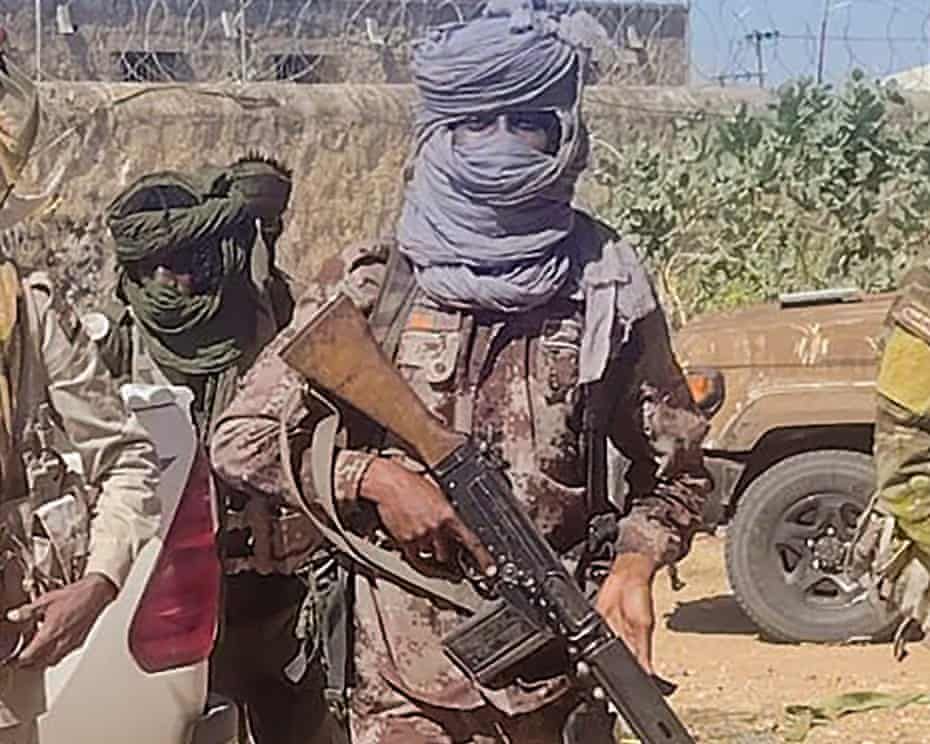
Amnesty International said the RSF committed crimes against humanity during its takeover of El Fasher, the last Sudan Armed Forces stronghold in Darfur. The report lists murder, torture, rape, enslavement and sexual slavery.
“Many of the crimes… were carried out as part of a widespread and systematic attack against civilians and amounted to crimes against humanity,” the organization stated in its Wednesday report, per The Guardian.
The group interviewed 247 people, including 208 survivors. It also reviewed video, documents, and satellite imagery from North Darfur to support its conclusions.
Children and Non-Arab Civilians Targeted
Amnesty accused the RSF of deliberately targeting children in the city. It also found the force often targeted non-Arab civilians and used dehumanizing language during attacks.
The report concluded the RSF committed persecution on the basis of ethnicity. It also said the destruction of towns like Abu Zerega between December 2024 and March 2025 was consistent with ethnic cleansing.
The Takeover of El Fasher and Its Aftermath 🏙️💥
An 18-Month Siege Ends Brutally
In late October 2025, the RSF captured El Fasher after an 18-month siege. The takeover was marked by massacres, with tens of thousands killed, according to the report’s summary.
In February 2026, a UN fact-finding mission said the seizure showed “hallmarks of genocide” against non-Arab communities. Amnesty’s new findings echo that assessment.
Satellite imagery shows extensive destruction in and around the city. The visual evidence supports survivor accounts of burned neighborhoods and displaced populations.
Scale of Displacement and Loss
The abuses orphaned countless children and displaced hundreds of thousands, Amnesty said. Many faced death or injury while fleeing or during attacks on villages.
Agnès Callamard, Amnesty’s secretary general, said, “The war in Sudan is a war on civilians. The world was warned of the horrors that civilians in El Fasher confronted as the RSF laid siege to the city. It is a stain on the conscience of humanity.”
Command Responsibility and International Law ⚖️👤
Named Commanders
The report names three RSF commanders it says bear responsibility for serious violations: Maj Gen Gedo Hamdan Ahmed Mohamed “Abu Shok”, Lt Col Abbas Khater Bakhit, and commander Al-Fateh Abdullah Idris “Abu Lulu”.
Amnesty said these commanders were linked to operations in El Fasher and surrounding areas between mid-2024 and late 2025. The timeframe covers the period of the siege and takeover.
War Crimes Determination
Amnesty concluded the RSF committed war crimes in El Fasher and nearby areas. It said the pattern of attacks, targeting, and rhetoric points to persecution based on ethnicity.
The organization called for accountability under international law. It urged states and courts to investigate and prosecute those most responsible.

Sudan’s Wider War Context 🌍🔥
Civil War Since April 2023
Sudan’s civil war began in April 2023 after a power struggle between Gen Abdel Fattah al-Burhan’s Sudan Armed Forces and Gen Mohamed Hamdan Dagalo’s RSF, known as Hemedti.
Fighting erupted in Khartoum and spread. Hundreds of thousands have been killed and millions displaced since the conflict started.
Humanitarian Impact
Refugees continue to flee to Chad and neighboring states. Images from Adre, Chad show long queues for water after people escaped the war in Sudan.
The scale of displacement has strained aid systems. Children are among the most exposed to risk, with schools, clinics, and homes damaged or destroyed.
Calls for Action and Protection 🕊️🛡️
Ceasefire and Protection Force
Amnesty called for an immediate ceasefire in Sudan. It also urged the urgent deployment of an international force to protect civilians in Darfur and beyond.
Callamard said, “The international community must move beyond statements of concern and take concrete steps to protect civilians, breaking the cycle of impunity.”
Breaking the Cycle of Impunity
The report stresses documentation, preservation of evidence, and support for survivors. Without action, Amnesty warns, further atrocities are likely in contested areas.
Human rights groups say independent monitoring and safe corridors are needed now. Access for investigators and aid workers remains limited in parts of Darfur.
What Comes Next for Accountability 📌⏳
Evidence and Next Steps
Amnesty’s documentation adds to UN findings and satellite analysis. Together, they build a record for possible future prosecutions at international or hybrid courts.
Survivor testimony is central. The 208 survivor interviews form a core part of the evidence base on attacks in El Fasher and surrounding towns.
Read more: Iran US peace talks stall: Tehran rejects meeting with American envoys 🇮🇷❌🇺🇸
Pressure on Actors
Diplomatic pressure will likely grow on RSF leadership and its supporters. States and regional bodies face calls to restrict support and push for civilian protection.
For families in North Darfur, the priority is safety, return, and justice. The report aims to keep global focus on El Fasher as the war continues.
About The Author


