
Rosenior Jorgensen Chelsea decision sparks debate after heavy PSG defeat, highlighting errors, tactical lessons, and future plans for the Blues.
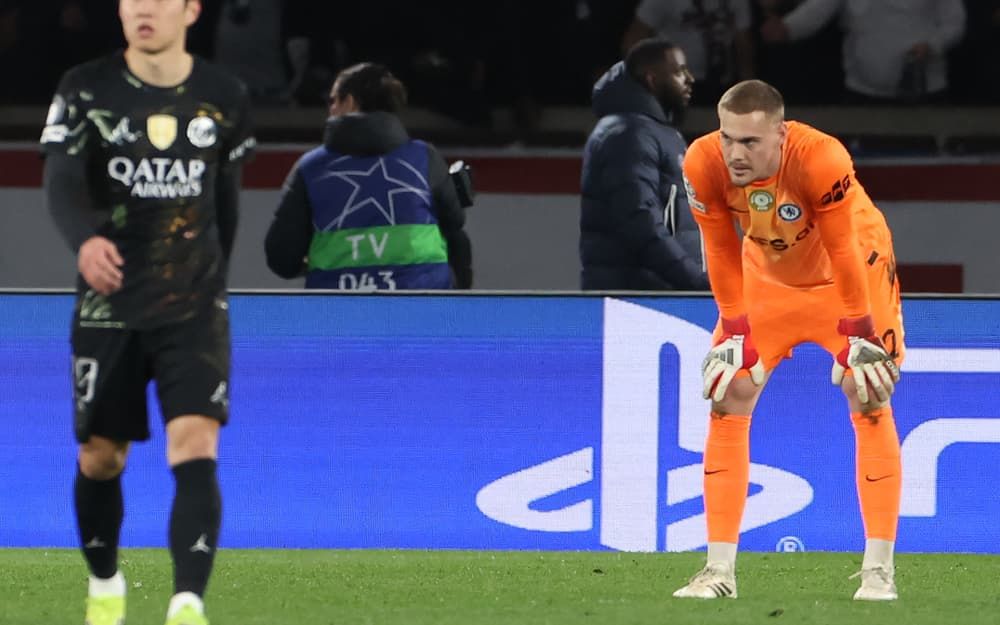
Chelsea’s shocking 5‑2 defeat to Paris Saint‑Germain in the Champions League spotlighted a controversial decision by manager Liam Rosenior. The choice to start Filip Jorgensen in goal instead of the more experienced Robert Sanchez has sparked heated debate among fans and pundits alike. The focus on Rosenior Jorgensen Chelsea decisions raises key questions about balancing youth development with immediate results.

The Controversial Goalkeeper Choice
From the start, PSG’s relentless attacking tested Jorgensen, exposing Chelsea’s defensive vulnerabilities. The decision to prioritize Jorgensen’s ball-playing ability over Sanchez’s experience quickly drew criticism. In particular, Jorgensen’s intercepted pass led directly to PSG’s third goal, intensifying scrutiny over Rosenior Jorgensen Chelsea tactics.
Rosenior defended the decision, emphasizing that Jorgensen offers qualities crucial to his vision of possession-based football. While Sanchez is strong in traditional goalkeeping areas like shot-stopping and aerial dominance, Jorgensen’s composure with the ball allows defenders to build play from the back. Despite the tactical reasoning, the error-prone match illustrated the risks of prioritizing style over experience in high-stakes Champions League fixtures.
Tactical Breakdown
The Rosenior Jorgensen Chelsea decision reflects a modern approach to goalkeeping: integrating technical skill and distribution into the team’s overall philosophy. Chelsea’s defensive line struggled to adapt to PSG’s pace and pressing style, amplifying the consequences of Jorgensen’s inexperience. Analysts noted that even the most talented ball-playing goalkeeper cannot fully compensate for systemic defensive gaps.
Rosenior’s tactics aimed to maintain possession and encourage a proactive approach from the backline. Unfortunately, PSG’s speed and pressure disrupted this plan, leading to a sequence of costly mistakes. The match highlighted the delicate balance managers must strike between cultivating young talent and securing results in elite European competition.
Post-Match Reactions
Following the defeat, reactions were mixed. Some applauded Rosenior’s willingness to trust youth, while others criticized the gamble as overly risky. Jorgensen took personal responsibility for his mistakes, showing maturity by acknowledging errors in interviews and promising to improve. Rosenior echoed this sentiment, emphasizing accountability and team support: “We win and lose together. Mistakes are part of growth.”
Fans and pundits have since debated whether the Rosenior Jorgensen Chelsea choice was wise. While the strategy aligned with long-term development goals, the immediate cost in a crucial Champions League tie was clear. The debate underscores the complexity of decision-making at the highest level of football management.
Lessons for Chelsea
The PSG defeat offers several key lessons. First, experience matters, especially in goal during critical matches. Second, tactical decisions must account for the opposition’s strengths. Third, integrating youth talent requires careful risk management.
For Rosenior, learning from this experience will be vital. Chelsea face important Premier League matches, including clashes against Newcastle United, where consistency and defensive discipline are essential. Strategically rotating goalkeepers, pairing Jorgensen’s distribution skills with a solid defensive setup, could allow the team to benefit from his talents without compromising results.
Chelsea’s leadership will need to analyze the Rosenior Jorgensen Chelsea approach moving forward. Incorporating Jorgensen gradually while maintaining results in domestic and European competitions is the current challenge. The lessons from PSG should inform tactical adjustments, goalkeeper selections, and defensive structure for the remainder of the season.
Despite the setback, the focus on youth and technical ability may pay long-term dividends. Chelsea fans will be watching closely to see if Rosenior can blend ambition with practicality, ensuring that decisions like Rosenior Jorgensen Chelsea contribute to growth rather than further disappointment.
The PSG defeat exposed the risks of unconventional tactical choices, but also highlighted Chelsea’s ambition to innovate. The Rosenior Jorgensen Chelsea strategy, favoring youth, ball-playing skill, and tactical sophistication , sparked debate but reflects modern football trends. Mistakes are part of the learning process, and both Jorgensen and Rosenior have valuable lessons to carry forward.
Balancing talent development and immediate results is never easy in elite football. While Chelsea suffered against PSG, the leadership’s commitment to progressive tactics, exemplified in the Rosenior Jorgensen Chelsea decision, could shape the team’s future in positive ways if carefully managed.
Read more news at: ireport247news.com
About The Author