Victims of ATM card swap fraud in Nigeria continue to face devastating financial losses as criminals exploit systemic weaknesses in the country’s banking infrastructure.
From trapped cards to rapid unauthorized withdrawals, ordinary Nigerians have been left helpless, often watching life savings disappear within minutes.
ATM Card Swap Fraud: How Customers Are Losing Money
In a recent incident in Lagos, a man attempting to withdraw cash on a public holiday spent over 20 minutes struggling with an ATM machine that failed to eject his card.
By the time it did, the card had been swapped without his knowledge, and over N300,000 vanished from his account within six minutes through multiple POS transactions.
Attempts to block the account overnight proved futile, leaving him without recourse until the next morning.
Another victim, Ayodele Mike, reported a more severe loss.
While his ATM card remained trapped in the machine, nearly N1.2 million was withdrawn in a single POS transaction before bank security could respond.
“These incidents are not isolated,” experts warn.
“ATM card swap fraud is on the rise, particularly during weekends and public holidays when banks’ emergency response systems are slow or inactive.”
How ATM Card Swap Fraud Happens
Investigations reveal a disturbing pattern. Fraudsters often target ATM galleries during periods of minimal monitoring.
Customers experience technical glitches or cards becoming trapped, creating a window for criminals to intervene.
A typical scenario involves strangers offering “help” while monitoring PIN entries, followed by rapid withdrawals through POS systems.
Victims frequently report that banks’ internal surveillance systems either fail to capture the incidents or take hours to respond, allowing fraudsters ample time to empty accounts.
Mrs. John Onwuka recounted how her husband’s card was swapped at an ATM on a Sunday evening along Egbeda–Ikotun Road, Lagos.
“While he struggled with the machine, a man posed as a helpful customer. Moments later, the card was released—but it was no longer his. Within minutes, debit alerts started flooding in.”
The fraudulent transactions were routed through POS channels linked to Opay Digital Services, she said.
Victims Speak Out: Institutional Weaknesses
Another victim, described how money was withdrawn from her account after her card went missing in January 2025.
She noticed debit alerts within minutes and only reached her bank after significant losses.
Both victims stressed that delays in blocking accounts and reviewing CCTV footage exacerbated the situation.
Mike’s experience echoed similar concerns. After his card got stuck in one ATM, a stranger approached, asking him to enter his PIN.
Minutes later, over N1.19 million was withdrawn before security personnel arrived.
“The bank suggested that the card was no longer in the ATM when it was later checked, but I know it was,” he said.
Expert Warnings on ATM Card Swap Fraud
Security analysts say ATM card swap fraud thrives where banks’ rapid-response mechanisms are weak.
They advise customers to:
- Shield their PINs at all times
- Avoid accepting help from strangers at ATMs
- Report irregularities promptly through multiple channels
According to analysts, fraudsters are increasingly bold, targeting customers when institutional safeguards lag.
“The recurring pattern is troubling: cards trapped in machines, strangers offering assistance, and delayed account-blocking that gives criminals a free window,” one expert noted.
Calls for Urgent Reform
Victims and financial experts are calling for urgent reforms.
Recommendations include:
- Strengthening ATM gallery surveillance with functional CCTV systems
- Enforcing stricter access control for ATM premises
- Ensuring 24-hour rapid-response channels for blocked accounts
- Training security personnel to detect and prevent fraud
The Central Bank of Nigeria (CBN) is under mounting pressure to compel banks to address these gaps, ensuring consumer protection and accountability.
Until such measures are implemented, ATM card swap fraud will remain a significant threat to Nigerians’ financial security.
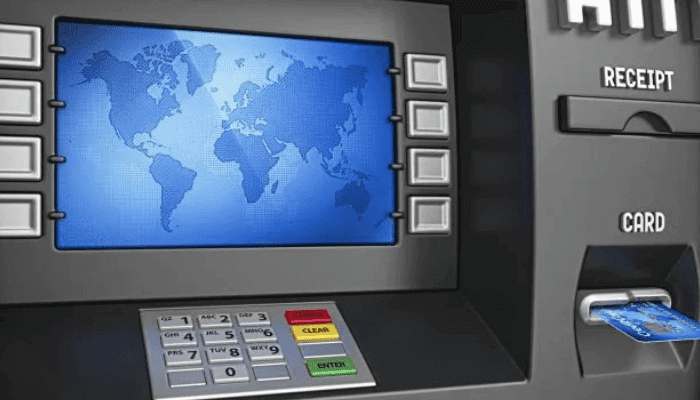
Beyond financial losses, victims report psychological trauma and a loss of trust in the banking system.
Many describe watching savings vanish in real time as a feeling of abandonment.
While banks advertise ATMs as convenient tools, these machines have become potential hunting grounds for criminals exploiting weak surveillance and delayed institutional responses.
“The pain goes far beyond the money lost,” said Kalu. “It’s the helplessness you feel, knowing your savings are disappearing while help remains unreachable.”
As the country grapples with this rising threat, financial institutions must prioritize proactive measures to protect customers.
Until then, ordinary Nigerians remain at risk, navigating a banking environment where a few minutes of delay can translate into substantial and often irrecoverable losses.
About The Author