Montreal, Canada – Richard Falk interrogated at Toronto Pearson International Airport while traveling to Canada to attend the Palestine Tribunal Canada, an international event examining Ottawa’s involvement in the Israel Gaza war.
Falk, the former United Nations special rapporteur on human rights in the occupied Palestinian territory, said he and his wife, fellow human rights expert Hilal Elver, were detained for over four hours while officials asked questions about the Gaza humanitarian crisis and Canadian complicity.
“A security person came and said, ‘We’ve detained you both because we’re concerned you pose a national security threat to Canada,’” Falk said. He emphasized that it was the first time in his long career he had experienced such treatment.
The detention occurred as Falk and Elver traveled to Ottawa to participate in the Palestine Tribunal Canada, which brought together international legal experts to examine Canada’s role in Israel’s military operations and civilian targeting during the Israel Gaza war.
Falk recounted that the questioning involved detailed inquiries into his research on genocide, civilian casualties, and human rights violations in Gaza, which he said reflected broader efforts to suppress independent investigation and reporting on the Gaza humanitarian crisis.
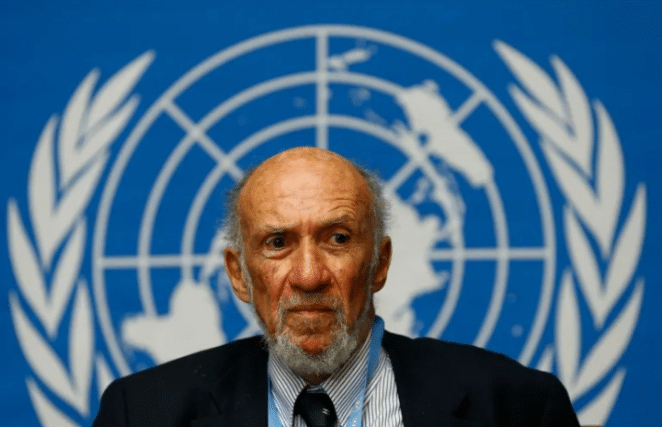
“The process felt disorganized, almost random, but it signals a broader effort to silence critics documenting the Israel Gaza war,” Falk said. “It discourages those advocating for justice and accountability in Palestine.”
Canadian officials insisted the detention was routine. A spokesperson for the Canada Border Services Agency said secondary inspections are standard for all travelers and not an indication of wrongdoing, explaining that security assessments may include detailed questioning of foreign nationals.
The Canada Border Services Agency highlighted that both primary interviews and secondary examinations are intended to evaluate security risk and admissibility. They maintained that high-profile researchers, including legal scholars, are subject to the same procedures as other international travelers.
Falk criticized the official narrative, asserting that his detention is part of a global trend aimed at deterring critics who expose the Gaza humanitarian crisis and Canada’s indirect role in the Israel Gaza war. “It reflects growing governmental insecurity,” he said.
Senator Yuen Pau Woo, who supported the Palestine Tribunal Canada, described the detention as “appalling,” stressing that Falk and Elver were detained merely for documenting civilian suffering and attending an international tribunal on Gaza humanitarian crisis issues.
“If documenting abuses and advocating for justice is considered a threat, Canada must explain its rationale,” Woo said. “Such actions risk undermining academic freedom and international human rights advocacy.”
Falk emphasized that exposing the Gaza humanitarian crisis remains critical, particularly because civilian casualties and humanitarian restrictions continue despite ceasefire agreements. “It’s more important than ever to shine a light on the ongoing Israel Gaza war,” he said.
Rachel Small, Canada organizer for the antiwar group World Beyond War, pointed out that continued weapons flows from Canada, the United States, and Europe enable Israeli military operations. “None of this violence would be possible without international complicity,” she said, underscoring the importance of accountability.
Health authorities in Gaza report that at least 260 Palestinians have been killed since a ceasefire agreement last month, with thousands more facing shortages of food, water, medicine, and shelter, worsening the Gaza humanitarian crisis.
Falk described the violence as incremental but systematic. “It may not be as overt as before, but the Israel Gaza war continues to devastate civilians and prevent humanitarian relief,” he said, emphasizing the ongoing nature of atrocities.
The Palestine Tribunal Canada aimed to scrutinize Canadian responsibility for aiding the Israel Gaza war, through legal analysis and expert testimony. Falk’s presence, and subsequent interrogation, highlighted both the urgency of documenting civilian suffering and the political sensitivity of such work.
Falk interrogated at the airport serves as an example of the challenges faced by human rights defenders operating in politically sensitive contexts, where even attending legal tribunals can result in detainment or intimidation.
Experts warn that targeting international legal scholars attending the Palestine Tribunal Canada may discourage others from engaging in research and advocacy, limiting public awareness of the Gaza humanitarian crisis and Canada’s complicity in the Israel Gaza war.
“It’s a deliberate signal to silence those who endeavor to tell the truth about ongoing atrocities,” Falk said. “Interrogations like this attempt to deter independent documentation and advocacy in Gaza.”
Senator Woo called for transparency, emphasizing that detaining recognized human rights experts for participating in international tribunals raises serious questions about accountability, civil liberties, and Canada Border Services Agency practices.
Falk continued by stressing the importance of sustained monitoring and advocacy in Gaza. “The bombs have not stopped falling,” he said, warning that humanitarian access remains restricted and civilian infrastructure continues to be destroyed in Gaza, exacerbating the crisis.
Civil society and human rights organizations argue that protecting legal scholars and researchers from intimidation is essential to ensure accountability for the Gaza humanitarian crisis and to prevent normalization of incremental violence in the Israel Gaza war.
Canada’s policies have drawn criticism for prioritizing security assessments over freedom of movement for scholars documenting international humanitarian violations. Falk interrogated demonstrates the tension between state security prerogatives and global human rights monitoring.
The tribunal emphasized that Canadian oversight of arms exports and diplomatic support can have direct consequences for civilian casualties in Gaza. Researchers documented loopholes allowing Canadian-made weapons to continue fueling the Israel Gaza war indirectly, highlighting gaps in accountability.
Falk interrogated reflects a growing pattern where governments scrutinize and occasionally intimidate international law scholars attending human rights tribunals, raising broader questions about transparency and the protection of advocacy work in conflict zones.
The detention has renewed calls for accountability, urging Canada to uphold international obligations, protect human rights advocates, and ensure independent scrutiny of the Israel Gaza war and ongoing Gaza humanitarian crisis.
Falk noted that international attention remains critical to prevent atrocities from being overlooked. “Incremental violence may appear less dramatic, but it is no less devastating for civilians enduring restricted access to essential resources and medical care,” he said.
Advocates emphasize that sustained international engagement is necessary to document, report, and respond to ongoing violations in Gaza. Falk interrogated in this case underscores the importance of defending scholars’ rights to observe and report human rights abuses without intimidation.
The Palestine Tribunal Canada participants highlighted ongoing humanitarian challenges, emphasizing that even with a ceasefire, civilians face severe shortages of food, medicine, and shelter. Reports suggest humanitarian aid deliveries are tightly controlled, further compounding the Gaza humanitarian crisis.
Falk interrogated also illuminates the broader stakes for international accountability. Observers note that restricting expert access to events like the Palestine Tribunal Canada risks impeding transparency and hinders documentation critical to understanding the Israel Gaza war’s human impact.
The tribunal concluded by underscoring that Canada’s role, whether through diplomatic support, arms exports, or border enforcement policies, is significant. Experts called for stricter adherence to international law to prevent further civilian harm and ensure accountability in Gaza.
Falk urged continued vigilance and reporting. “Even when the international community assumes the worst is over, the Israel Gaza war continues incrementally,” he said. “Human rights monitoring and independent advocacy are essential to prevent further suffering.”
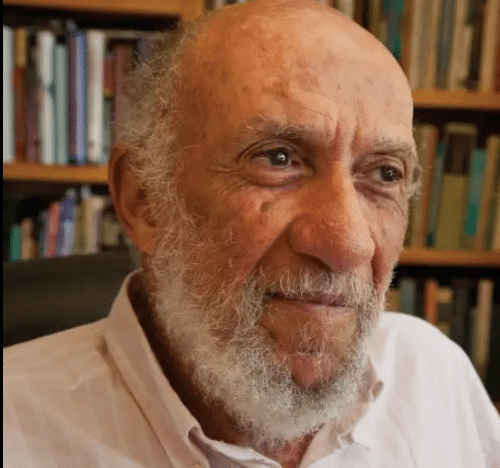
Canada faces a reckoning over its role in Gaza. Protecting the rights of experts attending events such as the Palestine Tribunal Canada, while ensuring border security, must be balanced carefully to uphold international human rights standards.
Falk concluded by stressing that advocacy and documentation are crucial in the face of incremental atrocities. “Without sustained attention, the ongoing Gaza humanitarian crisis risks being normalized, and civilian suffering may continue unchecked,” he said.
About The Author