Nigeria strengthens donor funds accountability, investigating $4.6bn for HIV, TB, and malaria to ensure transparency, efficiency, and proper health sector management.
The House of Representatives Committee on Infectious Diseases has launched an in-depth investigation to strengthen donor funds accountability in Nigeria.
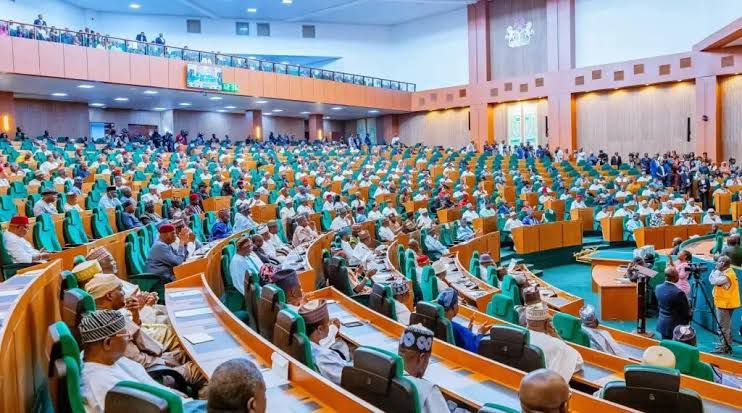
The probe focuses on over $4.6 billion in grants received from the Global Fund and USAID between 2021 and 2025 for HIV, TB, and malaria programs and overall health system strengthening.
This initiative reflects the growing demand for transparency and efficient management of donor-supported health interventions in Nigeria.
Chairman of the committee, Hon. Amobi Godwin Ogah, said the investigation is critical for ensuring proper donor funds accountability in Nigeria.
“It is essential to track and verify that every kobo from these grants has been effectively used to fight HIV, TB, and malaria and strengthen public health systems,” Ogah stated.
The probe was expanded from an earlier task given to the Committee on HIV/AIDS, Tuberculosis, and Malaria Control (ATM) during plenary on October 21, and the committee was renamed to reflect a wider public health mandate.
Ogah emphasized that Nigeria must move from being a passive recipient of donor support to actively managing these resources.
“We can no longer allow grants to be administered without Nigeria’s involvement,” he said. Donor funds accountability in Nigeria is now a top priority, ensuring that interventions align with the nation’s health strategies.
The Ministry of Health and Social Welfare and the Country Coordinating Mechanism (CCM) have been instructed to submit all project plans for approval by the National Assembly before releasing any funds.
“The era of unchecked spending of donor and domestic funds is over,” Ogah declared.
The House is amending the NACA Establishment Bill to transform the National Agency for the Control of AIDS (NACA) into a multi-sectoral body with an expanded mandate.
The new agency, National Agency for the Control of AIDS, Tuberculosis, and Malaria (NACATAM), will improve oversight and ensure that donor funds are effectively utilized.
Ogah stated, “This investigation will show how donor funds have been managed since 2021. Every actor, whether state or non-state, must account for public funds spent on health programs.”
Health Minister Dr. Muhammad Ali Pate welcomed the parliamentary probe, calling for gradual reduction in foreign aid dependence. He emphasized that Nigeria must take more responsibility for financing its health priorities, especially as donor contributions decline.
Dr. Pate highlighted that Nigeria’s health spending remains below 15 percent of the Abuja Declaration target, making donor funds accountability in Nigeria essential for sustainability and efficiency.
With the eighth replenishment of the Global Fund approaching, Ogah stressed that resources must be maximized, duplication avoided, and funds allocated to areas with the greatest impact. He also noted that some implementing partners lack proper office verification, making oversight difficult.
“Parliamentary scrutiny will be robust, and all partners must comply fully. Accountability is non-negotiable,” he said.
Ogah clarified that the investigation is not a witch-hunt but a democratic exercise aimed at improving transparency in Nigeria’s health sector.
“Our goal is clear: no Nigerian child should die from preventable diseases like HIV, TB, or malaria before age five. Accountability, advocacy, and stakeholder ownership are crucial to achieving elimination of infectious diseases by 2030,” he explained.
The committee plans to work with the EFCC and ICPC to ensure all principal recipients and implementing partners are fully accountable for donor funds. Ogah stressed that past instances of misappropriated funds highlight the urgent need for robust oversight.
The investigation marks a decisive step toward ensuring that donor funds accountability in Nigeria is enforced, creating a transparent, effective, and self-reliant health sector.
More news at ireport247news