The death of Omid Sarlak, a 22-year-old Iranian activist, has provoked widespread shock. Found with a gunshot wound in his car, officials immediately called it suicide, but many question this narrative.
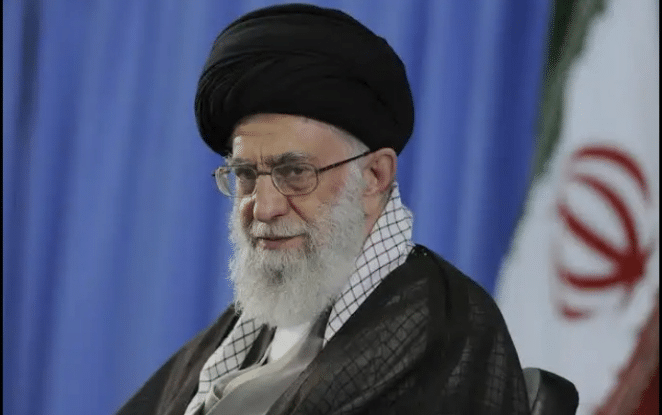
Sarlak had recently filmed himself burning a photograph of Iran’s supreme leader, Ali Khamenei. The video, shared online, was a public denouncement of the regime and quickly gained international attention.
Government-sanctioned news outlets emphasized traces of gunpowder on Sarlak’s hands, insisting that he ended his own life. Police statements presented the incident as a personal tragedy rather than political violence.
Anti-government activists, however, suspect foul play. They argue the timing of Sarlak’s death, shortly after his protest, raises serious doubts about the official version of events and intent.

Hours before his death, Sarlak posted a video showing himself burning Khamenei’s photograph. The clip circulated widely on social media, inspiring others to publicly challenge the supreme leader in solidarity.
The activist’s father was recorded at the scene saying, “They killed my champion here.” Observers believe the family was under surveillance, raising concerns about coerced statements and intimidation.
Later, in televised interviews, Sarlak’s father urged the public not to “pay attention to social media” and trust judicial authorities. Activists argue these appearances were conducted under government pressure.
Sarlak’s funeral on Monday drew hundreds of mourners chanting slogans like “Death to Khamenei” and “Death to the dictator,” indicating his protest had resonated strongly with ordinary Iranians.
In one of his final social media posts, Sarlak wrote about enduring “humiliation, poverty, and oppression” and called on youth to rise against the clerical regime, framing the protest as a generational struggle.
He was a student of aviation and an amateur boxer, admired for his courage and athleticism. Friends reported he had warned them of threats to his life shortly before his death occurred.
Sarlak’s admiration for the Pahlavi family reflected nostalgia for the monarchy. In his online posts, he often praised Iran’s former shah and contrasted past freedoms with current repression under the Islamic Republic.
Several of Sarlak’s friends have openly claimed he was killed by intelligence agents. Their statements suggest a pattern of targeting outspoken, young, and athletic Iranians perceived as threats to the regime.
Human rights activists highlight that publicly burning the supreme leader’s image carries extreme risks in Iran, including imprisonment, torture, or death, yet Sarlak and others acted despite the danger.
In videos shared anonymously with international media, supporters chanted slogans demanding freedom and justice. “We burn this photo for hope and justice. I am Omid Sarlak. Death to Khamenei,” declared participants.
University campuses remain heavily securitized. Student organizers report that protests over Sarlak’s death have not yet occurred at major universities due to fear of retaliation, but tensions continue to simmer underground.
The Iranian student movement website Amirkabir Newsletter warned that growing anger among youth could spark protests in the coming months. The regime’s history of suppressing dissent only fuels unrest.
Reza Pahlavi, eldest son of the former shah, praised Sarlak as a hero. He described the activist as a brave soul who sacrificed himself in the fight against oppression and for the freedom of Iran’s people.
Sarlak’s story has drawn comparisons to Mahsa Jina Amini’s death in 2022, which ignited nationwide protests. Both cases illustrate the persistent tension between state authority and politically conscious youth.
The incident raises broader concerns about human rights in Iran. Advocacy groups warn that targeting young activists discourages dissent while galvanizing underground movements determined to challenge authoritarian control.
Sarlak’s death has resonated on social media, inspiring online campaigns for justice. Posts commemorating him often include the phrase “Death to Khamenei,” signaling defiance and a symbolic transfer of his activism to others.
Authorities have responded cautiously to the growing outcry. While reaffirming the suicide narrative, state media emphasize obedience and caution, attempting to prevent further mobilization of youth against the regime.
International attention on Sarlak’s death underscores Iran’s ongoing struggle with freedom of expression. Foreign observers condemn apparent targeting of activists while calling for transparency and accountability.
Despite risks, young Iranians continue to participate in protests and symbolic acts like burning the supreme leader’s photograph. This demonstrates enduring defiance and a refusal to remain silent under oppression.
Sarlak’s fate has deepened the divide between the Iranian government and its citizens. His death may become a rallying point for future resistance, fueling debates over freedom, justice, and accountability.
As investigations proceed, activists remain skeptical of official reports. Calls for independent inquiries and protections for dissenting voices highlight the broader demand for human rights in Iran.
Omid Sarlak’s life and death exemplify the tension between a repressive state and courageous youth. His story continues to inspire solidarity movements, raising awareness of the ongoing struggle for freedom in Iran.
In the weeks following his death, more videos emerged online of Iranians burning photos of Khamenei. These acts have become symbolic gestures of protest, spreading rapidly despite the risks.
Analysts suggest that Sarlak’s death could catalyze a new wave of political activism among young Iranians, particularly students and athletes, who identify with his defiance and determination.
The regime faces a delicate challenge: suppress dissent too harshly, and public anger intensifies; tolerate activism, and they risk losing control over a politically engaged generation.
Sarlak’s story underscores the role of social media in Iran’s resistance movements. Despite government censorship, activists leverage online platforms to amplify voices and inspire collective action.
His death also highlights the generational divide in Iran, with youth increasingly rejecting authoritarian control while older citizens may prioritize stability, further complicating the political landscape.
Human rights organizations have called for international scrutiny of Iran’s treatment of activists. Omid Sarlak has become a focal point for discussions about freedom of expression, accountability, and the right to dissent.
The legacy of Sarlak and similar activists may endure beyond individual protests, shaping political discourse and encouraging future generations to challenge oppressive structures.
Sarlak’s death is a stark reminder that even symbolic acts of protest carry immense risk in Iran. Yet his courage has inspired solidarity, fueling hope for systemic change among the country’s youth.