

Donald Trump’s press secretary has publicly condemned the BBC, calling it “100% fake news” while citing Panorama documentary controversy and accusing the network of manipulating Trump speech editing.
Karoline Leavitt, senior White House official, described the BBC as a “propaganda machine” and highlighted ongoing US-UK media tensions stemming from biased reporting and selective coverage practices.
The controversy erupted after BBC Panorama aired a segment on Trump that critics say distorted key points, fueling debates over Trump speech editing and journalistic objectivity standards.
Leavitt criticized the BBC’s portrayal of Trump, stating that Panorama documentary controversy misled viewers by presenting spliced clips, omitting parts emphasizing peaceful political expression during his speech.
This accusation intensified scrutiny over BBC bias allegations, questioning whether the broadcaster maintains impartiality in reporting on US political figures and controversial global events affecting American audiences.
A leaked memo suggested that Panorama’s editing gave the impression Trump incited the Capitol riots, while removing segments where he encouraged peaceful and lawful demonstrations across the United States.
Michael Prescott, former BBC advisory committee member, reportedly raised concerns about editorial practices, noting that selective editing in Panorama documentary controversy undermines trust in international reporting standards.
Leavitt claimed that every exposure to BBC bulletins while visiting the UK worsened her opinion of the broadcaster, reinforcing perceptions of deliberate misinformation and propagandistic coverage of US politics.
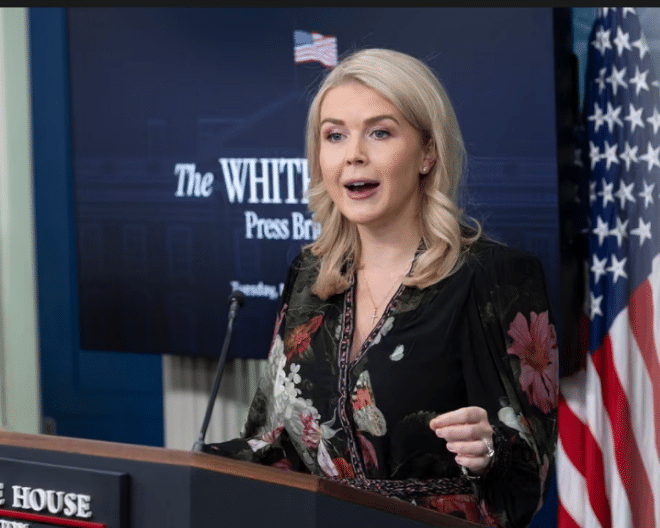
She asserted taxpayers are unjustly funding a network that, according to her, prioritizes ideological agendas over accurate reporting, fueling wider discussions on BBC bias allegations and media accountability.
The Panorama documentary controversy, she argued, reflects systemic editorial issues, with reporters allegedly favoring narratives that cast political opponents in a negative light, further inflaming US-UK media tensions.
Critics suggest that the BBC’s handling of Trump speech editing undermines journalistic credibility, particularly when clips are rearranged to imply incitement or misrepresent political intent to international audiences.
Leavitt emphasized that this type of coverage perpetuates mistrust among American viewers, reinforcing claims that BBC reporting frequently aligns with leftist political ideologies and undermines public confidence.
The leaked document reportedly highlighted disparities between BBC Arabic coverage of international conflicts and the editorial approach of domestic BBC channels, underscoring concerns over selective reporting practices globally.
Observers argue that these inconsistencies amplify suspicions regarding the network’s impartiality, making the Panorama documentary controversy a significant talking point in debates over journalistic ethics and media manipulation.
Leavitt’s critique also referenced coverage of social issues, claiming that transgender-related stories were framed to reflect the perspectives of advocacy groups without presenting counterarguments, raising additional BBC bias allegations.
The press secretary’s comments follow broader US-UK media tensions, with officials questioning whether international broadcasters fairly represent American political events and adhere to the same ethical standards domestically.
Leavitt maintained that edited footage of Trump speeches intentionally misrepresented intent, effectively creating a misleading narrative that aligns with critics’ claims of Panorama documentary controversy and editorial manipulation.
She further suggested that biased coverage not only affects public perception but also complicates diplomatic interactions, as US officials face challenges navigating media narratives abroad while protecting the administration’s reputation.
The BBC responded cautiously, noting that feedback is taken seriously and differences in editorial approaches are routinely debated internally, but declined to comment directly on the leaked documents or accusations.
Despite official statements, critics contend that ignoring Panorama documentary controversy and broader BBC bias allegations may deepen distrust among international audiences, feeding perceptions of systematic anti-Trump sentiment in UK media.
Analysts argue that Trump speech editing controversies are symptomatic of larger debates about media objectivity, particularly when international networks report on politically polarizing figures and events beyond their home jurisdictions.
Leavitt insisted that continuing to broadcast selective segments is tantamount to misinformation, reinforcing her assertion that the BBC qualifies as “100% fake news,” damaging its credibility in both the US and UK.
The White House official also highlighted recurring instances where coverage emphasized partisan narratives, claiming that Panorama documentary controversy is just one example of how editorial choices can distort political messaging.
Some commentators suggest that claims of BBC bias allegations reflect broader concerns about media influence, the ethical responsibility of editors, and the balance between investigative reporting and impartiality in sensitive political coverage.
Media experts note that US-UK media tensions often escalate when political figures publicly condemn international outlets, and Leavitt’s remarks exemplify the challenges of maintaining transatlantic trust in journalism.
Observers argue that selective editing of speeches, as highlighted in Panorama documentary controversy, undermines democratic discourse by presenting partial truths while omitting crucial context, creating misleading impressions for viewers.
The press secretary emphasized that international audiences deserve accurate, comprehensive reporting, and allegations of BBC bias allegations should be addressed transparently to restore confidence and ensure accountability in global news coverage.
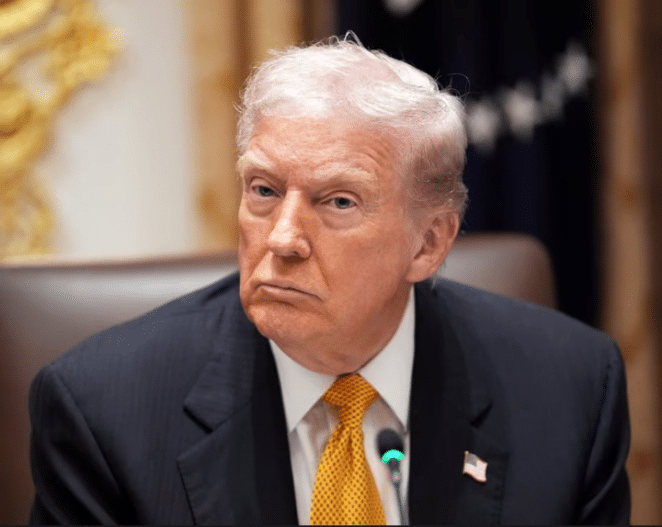
In summary, Donald Trump’s press secretary has forcefully criticized the BBC, citing Panorama documentary controversy, Trump speech editing, BBC bias allegations, and US-UK media tensions, labeling the network as “100% fake news.”


