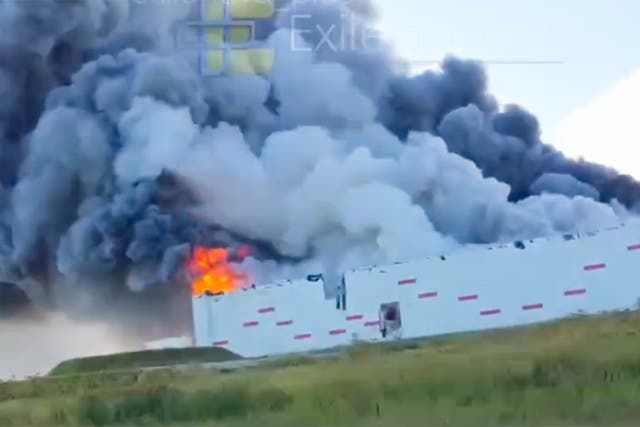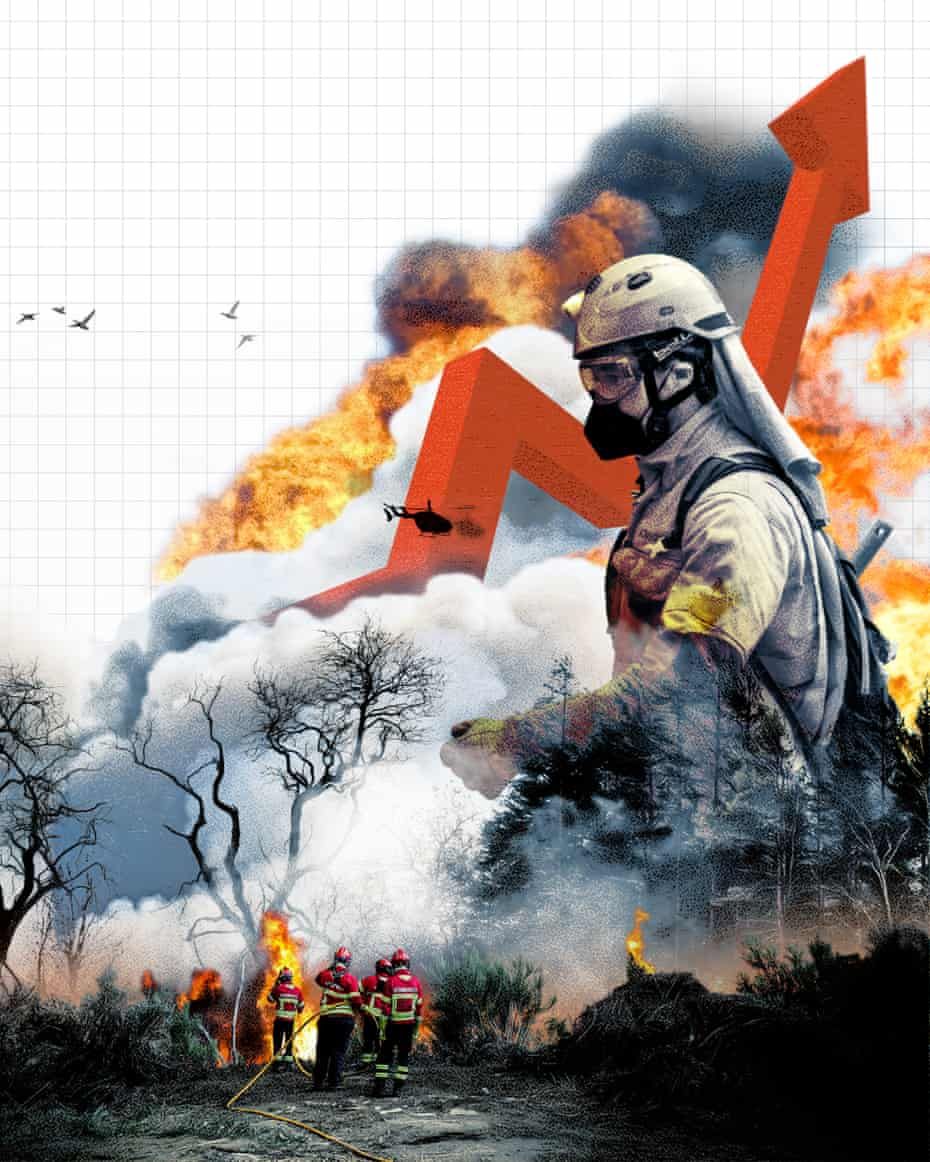

Oil profits war climate crisis has reached a boiling point after eight of the world’s biggest oil companies made more than $93bn in just three months as conflict and extreme weather swept the globe.
Guardian analysis found the firms — Aramco, BP, Shell, Equinor, TotalEnergies, Eni, Chevron and ExxonMobil — earned almost $93bn (£69bn) in the quarter to the end of June.
That was the first full financial quarter after the US-Israeli war on Iran triggered oil prices to spike above $126 a barrel.
Campaigners say the windfall shows companies are “cashing in on human misery” while millions face higher bills and climate-driven disasters.
The data suggests the eight made more than $700,000 of profit every minute over the spring quarter.
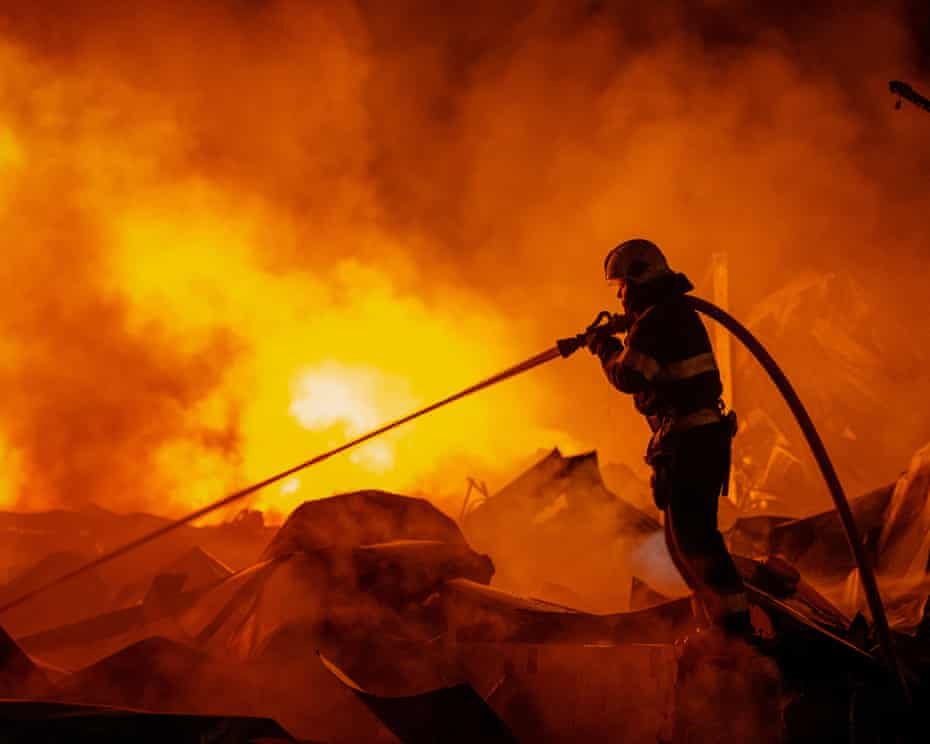
Big Oil $93bn Profits Fuel Backlash
The Big oil $93bn profits come as market valuations for the group swelled by about $600bn to above $3tn.
Saudi Aramco led the pack with a 34% jump in quarterly net income to more than $33bn, even as its infrastructure was hit by drone and missile strikes.
BP reported $5.73bn in profits for April to June, its highest since the first year of Russia’s war on Ukraine and more than double the previous quarter.
Shell posted $9.84bn, its second highest quarterly result ever, despite damage to its Qatar gas plant.
Chevron recorded $12.2bn, a more than fivefold increase year on year. ExxonMobil made $14.5bn, double last year and its best since 2022.
Equinor’s profits climbed to $3.2bn, up from $1.8bn.
Patrick Galey of Global Witness said: “BP’s sky-high profits are a scandalous reminder of who’s been cashing in on human misery this year.”
Rosie Downes of Friends of the Earth added: “While BP banks another round of enormous profits, millions of households are paying the price through sky-high energy bills and a climate crisis accelerating rapidly out of control.”
Iran Conflict Oil Prices Drive Windfall
The surge was directly tied to the Iran conflict oil prices spike, the biggest disruption to fossil fuel supplies in market history.
Global benchmarks jumped as traders priced in risks to shipping lanes and production sites.
BP chief executive Meg O’Neill defended the results, saying the company was “focused on the things we can do to try to help address the situation” by producing more oil products in short supply.
Donald Trump also weighed in, accusing Chevron and ExxonMobil of “making too much money” from the war and warning profits should be returned to the public.
“You know big oil is taking us for a ride when one of their biggest allies, Donald Trump, is telling them to rein their profiteering in,” Galey said.
Despite the windfall, BP has cut its energy transition budget from $5bn to $1.5bn-$2bn and is selling assets including its US biogas business and solar firm Lightsource.
On Friday it put its North Sea oil and gas business up for sale after more than 60 years.
Climate Crisis Fatalities Mount Worldwide
As profits climbed, the climate crisis fatalities mounted across continents.
Europe suffered its worst ever heatwave, described by scientists as “impossible” without human-caused global heating.
About 20,000 people are estimated to have died due to extreme temperatures, including close to 3,000 in the UK in May and June alone.
South Korea and Japan saw records of up to 42.5C, with Korean authorities telling people to “immediately stop all outdoor activities”.
In Africa, July temperatures were pushed higher by global heating. A Lancet report estimated rising temperatures kill one person a minute worldwide.
Wildfires in France, Spain, Portugal and Greece caused billions in damage. In the US and Canada, fires from 15-23 July were linked to about 4,000 deaths within a week.
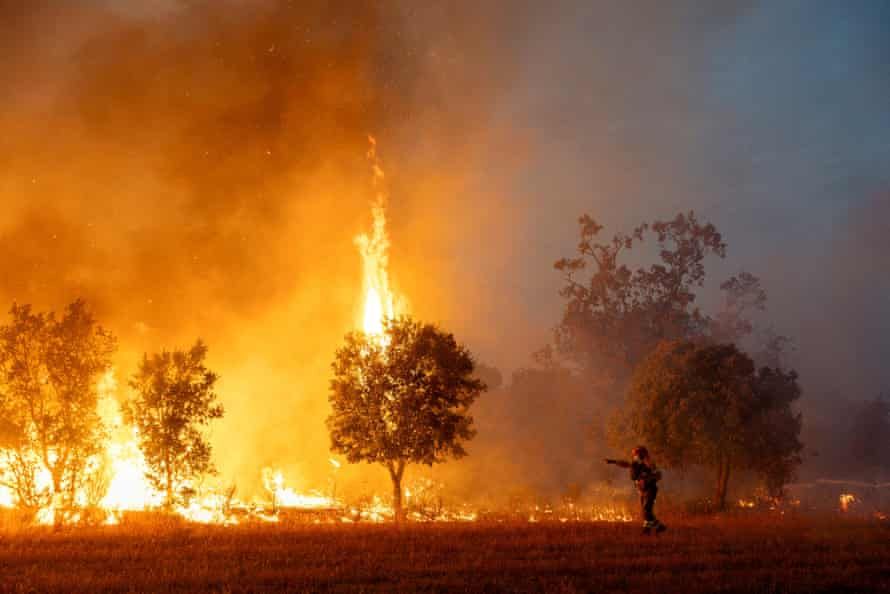
The UN climate chief Simon Stiell said: “Around the world, climate-driven disasters are reaching nightmare proportions. What needs to be done is clear: leave coal, oil and gas behind faster, scale up renewables, and protect people where the impacts are already hitting hardest.”
North West China Floods Add To Toll
In Asia, extreme rain compounded the crisis.
In south Asia, more than 40cm of rain fell in 24 hours in Chattogram, Bangladesh in early July, causing flash flooding.
Floods and landslides have taken lives and livelihoods in Pakistan and India.
There have also been dozens of fatalities in north-west China, where many thousands of people have been evacuated due to heavy storms.
Soils dried across Europe, damaging crops from maize to sunflowers. At least 9m tonnes of grain are expected to be lost, with the UK facing its worst harvest on record.
Scientists note that air that is 1C warmer holds 7% more water, supercharging rainfall and flood risk.
Carbon Majors data shows Aramco has produced more emissions than any company in history, followed by Chevron and ExxonMobil, with Shell and BP also in the top 10.
A study published last September linked emissions from the 14 biggest fossil fuel firms to heatwaves that would otherwise have been virtually impossible.
Guardian Climate Forum 2026 Seeks Solutions
With pressure growing, the Guardian climate forum 2026 will bring experts together to discuss next steps.
On Tuesday 20 October, Damian Carrington will host Prof Andy Haines, Katie White MP, Asad Rehman, Shruti Suresh, Gareth Thomas and Amy Fairman.
The event is billed as “a hopeful and solutions-focused evening”.

Speakers are expected to address funding for adaptation, the phase-out of fossil fuels, and support for communities on the frontline.
Asad Rehman is likely to argue for climate justice, while Prof Haines will focus on health impacts of heat and floods.
Shruti Suresh may discuss finance for renewables in vulnerable regions. Katie White MP is expected to cover UK policy responses.
Tickets are available here or at http://guardian.live.
The forum comes as calls grow for oil firms to pay for damage. “Think how many fire and flood defences we could build, or how many solar panels we could install, if big oil paid their fair share in taxes,” Galey said.
The eight oil companies were contacted for comment regarding profits and climate impacts.
At the time of publication, no detailed responses had been provided.
The contrast between record earnings and rising death tolls has sharpened the debate ahead of international climate talks later this year.
Read also: Kherson drone attack: Ukraine accuses Russia of war crime in ‘human safari’ strike
Governments in Europe and Asia are under pressure to expand heat and flood defenses while accelerating the shift to clean energy.
For now, the link between war, oil markets, and climate extremes is clear in both the data and the damage on the ground.