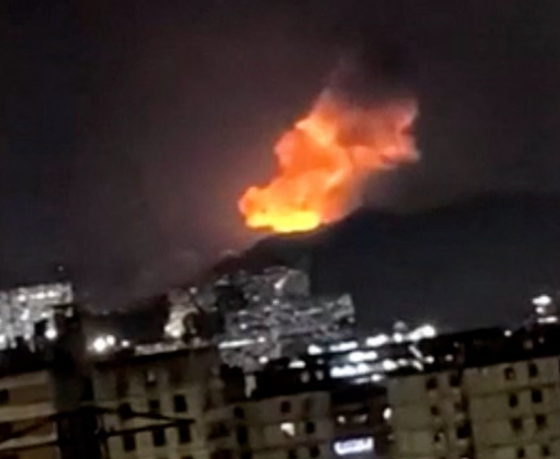
Iran is experiencing a historic wave of unrest, as disaffected Iranians take to the streets, declaring economic collapse and political repression have left them with no alternative.
The protests began after a sudden crash in Iran’s currency, which has amplified inflation, eroded savings, and worsened conditions for families struggling to survive.
Merchants closed shops in Tehran, signalling the start of nationwide protests that quickly spread to at least thirty-two cities, encompassing citizens from diverse social and economic backgrounds.
Students and youth are at the forefront, chanting slogans demanding accountability, freedom, and economic relief while expressing their frustration over previous failed reform attempts.
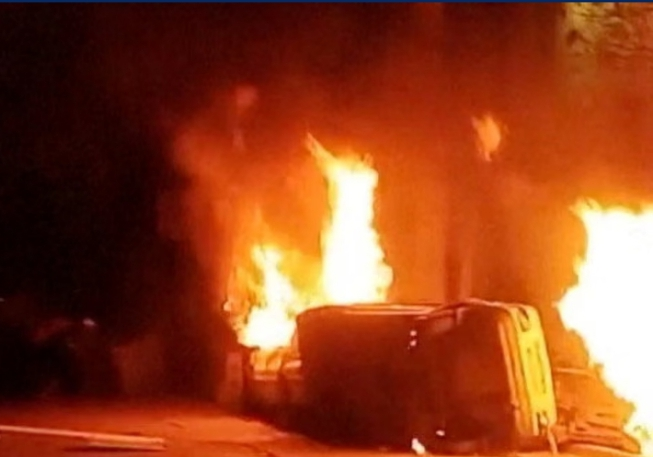
“Young people like me cannot wait anymore. We have no future under this regime, and fear cannot stop our demand for justice and change,” said Mehnaz, pseudonym used.
Inflation and devaluation have caused food costs to rise by nearly fifty percent, making basic necessities unaffordable and intensifying the anger that fuels political demonstrations.
The national currency, the rial, has lost over fifty percent of its value recently, undermining economic confidence, accelerating capital flight, and pushing citizens toward more direct political action.
Authorities report hundreds of arrests and clashes between protesters and security forces, while human rights organizations condemn the excessive use of force and arbitrary detentions nationwide.
The current protests lack a central unifying figure like Mahsa Amini, yet participants insist their struggle is collective, reflecting widespread dissatisfaction across economic, social, and political spheres.
Young Iranians emphasise that lessons learned from prior uprisings are guiding their strategy, including persistence, decentralised organisation, and consistent presence in public spaces despite risk.
President Masoud Pezeshkian called for dialogue with demonstrators, urging authorities to respond to grievances, even as hardline officials accused foreign powers of orchestrating unrest.
Protesters reject claims of foreign influence, insisting their demands are local and stem from deteriorating economic conditions, high unemployment, and widespread distrust of government management.
Iran’s credibility was weakened by a recent military conflict with Israel, which exposed vulnerabilities in national defence and heightened public perceptions of government incompetence and mismanagement.
Images of ordinary Iranians seeking shelter during bombings contrasted sharply with official claims of preparedness, amplifying public frustration and increasing willingness to confront political authority.
Security forces have intensified patrols, yet demonstrators argue that fear no longer restrains them, and sustained activism is essential to protect economic and social rights.
Women play a prominent role, highlighting that social dignity and gender-based rights remain central to protests alongside economic grievances, reinforcing the multi-dimensional nature of unrest.
Protesters emphasise access to information and internet connectivity is vital, allowing coordination, spreading messages, and resisting attempts to disrupt communications by authorities.
The economic crisis has eroded traditional class boundaries, drawing students, workers, and shopkeepers into a collective struggle for political representation and economic survival in society.
Analysts note that although smaller than past uprisings, current demonstrations are more sustained, strategically organised, and informed by lessons learned from violent crackdowns and failed reforms.
Many youth argue that continued protest is the only way to force meaningful change, linking economic collapse directly to political dysfunction and lack of governmental accountability.
Authorities face a dilemma: concession risks emboldening demonstrators, while repression may further radicalise citizens and provoke international condemnation of human rights violations in Iran.
Foreign threats, including warnings from Donald Trump about intervention if protesters are harmed, exacerbate tensions and allow authorities to frame demonstrations as externally influenced, though participants reject this narrative.
Protesters insist their struggle is existential, fighting not only for immediate economic relief but for a political environment capable of ensuring a livable and sustainable future.
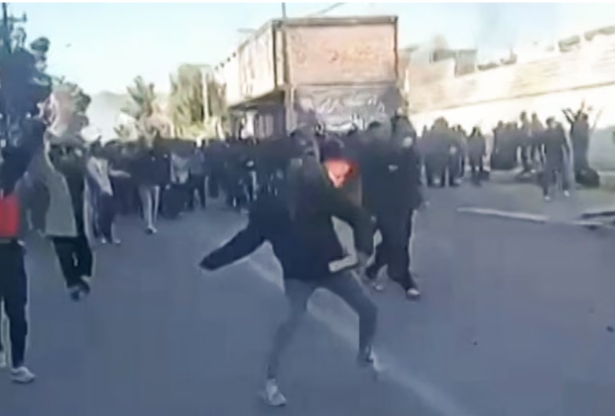
The movement reflects intergenerational conflict, with younger Iranians embracing confrontation, while older citizens urge caution due to memories of violent crackdowns during prior uprisings.
Despite uncertainty, demonstrators emphasise consistency, coordination, and presence in public spaces, highlighting that persistence is crucial for achieving meaningful economic and political reform.
Security forces’ continued presence underscores the risk of escalation, but participants assert that fear is no longer sufficient to deter collective action for survival and change.
The protests demonstrate how economic collapse, political repression, and youth activism intersect, with citizens demanding immediate attention to structural failures while asserting their rights to a future.
Observers note that even without central leadership, decentralised, determined, and consistent action ensures pressure remains on authorities, signalling a population unwilling to accept ongoing marginalisation.
Read also: Iran calls on United Nations to condemn Trump’s threats as protests intensify nationwide
For disaffected Iranians, waiting for the right moment has passed; the combination of economic hardship, social restrictions, and political stagnation has made open defiance an unavoidable necessity.
About The Author