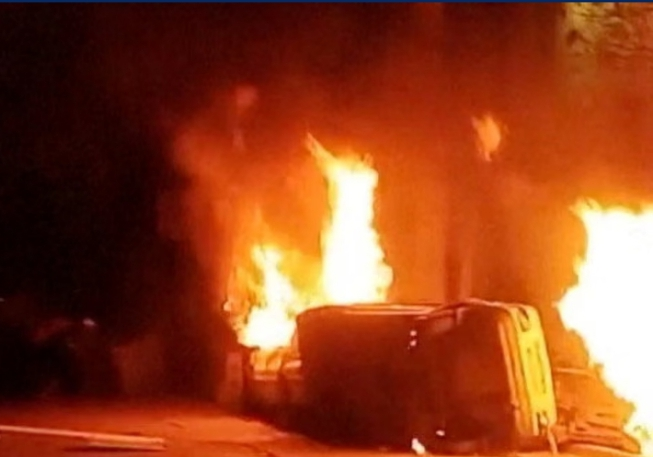
Russia achieved its largest battlefield gains in Ukraine since 2022, analysts said, capturing more territory in 2025 than in the previous two years combined. The news shocked observers and governments worldwide.
The Ukrainian president, Volodymyr Zelenskyy, confirmed Kyiv would host security talks with allied countries, as Moscow’s forces pressed deeper into contested regions despite international warnings and ongoing diplomatic efforts.
AFP analysis shows Russia captured over 5,600 square kilometres of Ukrainian land in 2025, almost 1% of the country, exceeding gains from 2023 and 2024, though far below the 2022 surge of more than 60,000 sq km.
“The pace of the Russian advance has accelerated, particularly in eastern and southern regions,” said Michael Kofman, senior fellow at the Center for Naval Analyses, highlighting the strategic risk for Ukrainian defense forces.
Zelenskyy announced the participation of around 15 countries at Kyiv’s security talks, including EU and NATO representatives, with the United States joining virtually to coordinate defense strategies, weapons support, and intelligence sharing.
The diplomatic meeting comes amid growing Russian pressure on Ukraine’s frontlines, as artillery barrages and aerial strikes intensified, threatening civilian infrastructure and forcing local authorities to plan urgent evacuations of residents.
On Friday, Zelenskyy appointed Kyrylo Budanov as his new top aide, replacing Andriy Yermak, who resigned in November amid a corruption probe and public criticism of Ukraine’s military administration.
Budanov, 39, is credited with daring operations against Russian forces and developing military intelligence strategies that helped Ukrainian troops regain control in several contested zones in previous years.
“Kyrylo has specialised experience and the strength to achieve results,” Zelenskyy said, emphasizing that Budanov’s appointment was crucial for strategic security during a critical moment in the war.
Budanov posted on Telegram, calling his new role “an honour and a responsibility at a historic time for Ukraine,” stressing focus on protecting the country’s sovereignty and defending civilians.
The president also indicated plans to replace Defence Minister Denys Shymhal, who has served only six months, with Mykhailo Fedorov, current minister of digital transformation, to modernize Ukraine’s military capabilities.
Fedorov, 34, is known for implementing drone technology and digitalized defense solutions, which Zelenskyy said would enhance battlefield coordination and the efficiency of military operations against Russian advances.
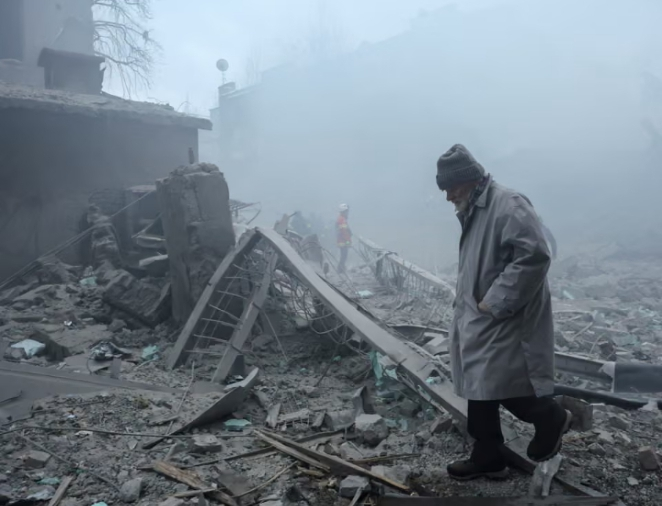
Meanwhile, Moscow intensified its strikes on Ukrainian cities, with a recent attack on Kharkiv reducing multi-storey buildings to rubble and killing at least two, including a three-year-old child, authorities reported.
Local emergency services confirmed that 25 people were injured in Kharkiv, as officials scrambled to provide medical care, highlighting the continuing human cost of the Russia Ukraine war gains in urban centers.
Zelenskyy described the Kharkiv strike as “heinous,” blaming Russian forces for targeting civilians despite international efforts, and reaffirmed that Kyiv would pursue diplomatic and defensive measures to protect its population.
Russia denied responsibility, claiming explosions resulted from Ukrainian ammunition, contradicting eyewitness reports and satellite imagery showing widespread structural damage consistent with external bombardment in residential areas.
Ukrainian authorities also ordered the evacuation of over 3,000 children and their parents from frontline settlements in Zaporizhzhia and Dnipropetrovsk regions, reflecting the persistent threat of Russian territorial gains.
Since June, Ukraine has evacuated more than 150,000 residents from frontline regions, according to Restoration Minister Oleksiy Kuleba, highlighting the scale of civilian displacement due to ongoing conflict and frontline insecurity.
The battlefield situation shows Russia consolidating positions in eastern Ukraine, while Ukrainian forces continue defensive maneuvers, attempting counterattacks to slow territorial losses and protect strategic cities from encirclement.
Western analysts warn that continued Russian advances could force Kyiv to rethink frontline strategy, emphasizing the importance of intelligence-sharing and coordinated defense plans among allied nations at security talks.
Zelenskyy’s appointments signal a shift toward younger, more technology-driven leadership, emphasizing digital warfare, intelligence operations, and drone-based defenses as essential to counter Russia Ukraine war gains in contested areas.
Budanov’s reputation as a daring strategist reflects Ukraine’s prioritization of innovative military solutions, including targeted raids and intelligence-led operations to disrupt Russian supply lines and weaken frontline offensives.
The security talks in Kyiv aim to garner international support for Ukrainian defense and coordinate aid packages, including military hardware, training, and logistical assistance to stabilize territories under threat.
Diplomats attending the talks reportedly stressed that supporting Ukraine’s strategic resilience remains a priority for the EU, NATO, and U.S., despite concerns over escalation or further Russian offensives targeting civilians.
The Kharkiv attack underscores the vulnerability of civilians during intensified military campaigns, prompting renewed calls for humanitarian corridors and safe passage for families trapped near conflict zones under siege.
Ukrainian officials stressed that evacuations are being coordinated rapidly, using buses, trains, and other transport methods, in addition to temporary shelters and humanitarian aid for displaced residents from frontline regions.
Read also: Champagne sparklers blamed as Swiss Ski Resort nightclub fire kills dozens, sparking safety probe
International organizations have raised alarms over children’s safety and civilian protection, warning that sustained attacks in urban areas could lead to further humanitarian crises if immediate measures are not enforced.
The Russia Ukraine war gains in 2025 demonstrate Moscow’s renewed tactical focus on capturing strategic territories, reflecting shifts in operational priorities and testing the limits of Ukraine’s defensive capabilities.
Zelenskyy remains committed to both military and diplomatic solutions, stating that Ukraine seeks to end the conflict while defending sovereignty, infrastructure, and the lives of its citizens from ongoing Russian aggression.
The expansion of Russian gains highlights challenges for Ukraine’s allies, as equipment, intelligence, and training support must adapt quickly to prevent further territorial losses and maintain front-line resilience.
Reports from Ukrainian command indicate frontline units are increasingly relying on drones, intelligence coordination, and rapid counterattacks, suggesting that digitalized military leadership could offset some Russian tactical advantages.
Civilian evacuations continue to strain local infrastructure and humanitarian networks, requiring international aid, temporary housing, and medical support for tens of thousands displaced from heavily contested eastern regions.
The overall military picture shows Russia pursuing incremental but persistent territorial gains, while Kyiv’s leadership focuses on strategic defense, humanitarian coordination, and international diplomacy to counterbalance Moscow’s advances.

Ukraine’s international partners stress that sustaining long-term military support is crucial, including air defense systems, intelligence sharing, and technological assistance to prevent further losses and strengthen frontline resilience.
About The Author