The push for sweeping reforms in Nigeria’s downstream petroleum sector intensified as the Petroleum Products Retail Outlets Owners Association of Nigeria renewed its call for the NNPC refineries privatisation, insisting that the Federal Government must bring the process to a transparent and conclusive end by the first quarter of 2026.
The association stated that privatising Nigeria’s long-idle state-owned refineries has become an urgent national imperative, not only to eliminate recurring fiscal losses but also to reposition the refining industry for competitiveness, efficiency, and long-term sustainability.
In a formal communication issued by its National President, Billy Gillis-Harry, PETROAN argued that the repeated injection of public funds into the refineries — with little operational output to show for it — underscores the need for a decisive transition to private-sector-driven ownership and professional management structures.
According to the association, NNPC refineries privatisation offers a pathway to attract credible investors, mobilise private capital, introduce modern technology, and integrate global operational standards that have become the benchmark for successful industrial refining hubs worldwide.
NNPC refineries privatisation as a catalyst for efficiency, competition, and energy security
PETROAN maintained that NNPC refineries privatisation would mark a turning point for Nigeria’s downstream petroleum market, especially at a time when the country remains dependent on imported petroleum products despite decades of refinery rehabilitation spending.
The association explained that a properly structured privatisation framework would stimulate competition, enhance productivity, reduce the pressure on foreign exchange reserves, and support job creation across ancillary industries including logistics, petrochemicals, and services.
Beyond operational efficiency, PETROAN linked NNPC refineries privatisation to broader macro-economic stability, noting that increased domestic refining capacity would complement upstream investments and strengthen Nigeria’s overall energy security outlook.
The organisation emphasised that the Federal Government’s 2026 Budget projections — built on a planned crude oil output of 1.84 million barrels per day and an oil price benchmark hovering around $64 to $65 per barrel — provide a viable fiscal platform for implementing bold sector reforms, particularly those tied to NNPC refineries privatisation.
PETROAN further highlighted that fiscal prudence, improved regulatory oversight, strengthened security around oil infrastructure, and meaningful host community engagement under the Petroleum Industry Act must accompany the privatisation process to guarantee investor confidence and operational continuity.
A reform agenda aligned with global best practice
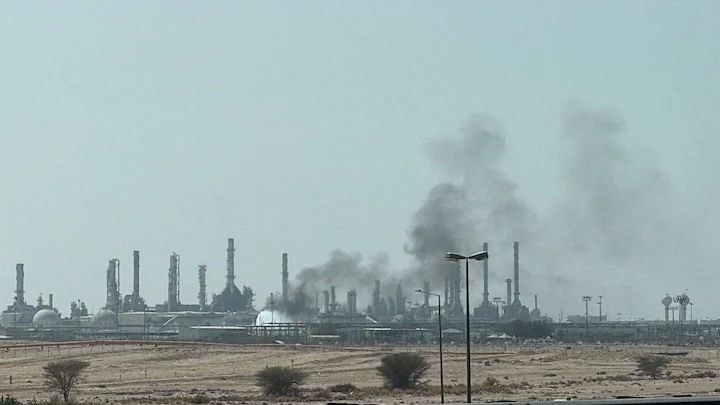
The association stressed that successive public spending on the Port Harcourt, Warri, and Kaduna refineries — running into billions of dollars over multiple turnaround maintenance cycles — has yielded minimal productivity outcomes.
The move toward NNPC refineries privatisation, it said, is therefore rooted in economic realism rather than ideological preference.
According to PETROAN, privatisation would free up valuable government resources for security, infrastructure, and social investments while enabling private operators to drive innovation, technology upgrades, and commercial discipline within the refining value chain.
The association added that countries that adopted similar reforms have recorded measurable improvements in operational performance, export potential, and industry resilience — outcomes Nigeria must now pursue through a structured NNPC refineries privatisation roadmap.
The call comes against the backdrop of repeated refinery shutdowns, including the closure of the Port Harcourt refinery months after being declared operational, and the suspension of activities at the Warri facility despite previous rehabilitation commitments.
Industry stakeholders, including the Manufacturers Association of Nigeria, have repeatedly described the refineries as fiscal liabilities, reinforcing the argument that NNPC refineries privatisation presents a more sustainable economic strategy than continued public funding.
Government response and ongoing review efforts
Meanwhile, the new Group Chief Executive Officer of NNPC Limited, Bayo Ojulari, has taken a more cautious stance regarding outright asset disposal.
He disclosed that the company is currently undertaking a comprehensive technical and commercial review to determine the most viable pathway — whether overhaul, repurposing, or partial restructuring — for the three refineries.
Ojulari stated that the review process is designed to reposition the facilities as commercially sustainable assets capable of meeting national fuel demand, aligning with international standards, and supporting Nigeria’s broader industrialisation agenda.
While the NNPC leadership has signalled optimism regarding refinery revival, PETROAN maintains that structured private ownership remains the most viable path to unlocking efficiency and shielding public finances from recurring expenditure, reinforcing the strategic relevance of NNPC refineries privatisation.
A defining reform moment for Nigeria’s downstream sector
As Nigeria navigates complex fiscal realities, import dependency pressures, and persistent revenue challenges, analysts agree that the downstream sector sits at a critical inflection point.
For PETROAN, the case for NNPC refineries privatisation transcends short-term sector adjustments — it represents a decisive step toward building a competitive domestic refining market, strengthening investor confidence, and positioning Nigeria as a regional energy powerhouse.
The association concluded that timely policy action, transparent transaction processes, and credible stakeholder engagement will determine whether privatisation becomes the transformative reform that stabilises the downstream market and maximises the economic value of Nigeria’s oil and gas resources.
With debates intensifying ahead of the 2026 fiscal cycle, NNPC refineries privatisation is poised to remain a central policy conversation — one that could redefine the future of Nigeria’s refining landscape for decades to come.
About the Author