FIRS e-Invoicing Accreditation and the Drive for Real-Time Tax Compliance
The Federal Inland Revenue Service has taken another decisive step in its digital tax administration reform with the FIRS e-invoicing accreditation of PwC Nigeria as a system integrator under the Monitoring, Billing, and Settlement platform.
The development marks a critical milestone in the Federal Government’s transition from paper-based documentation to real-time, technology-enabled oversight of financial and commercial transactions.
PwC confirmed the FIRS e-invoicing accreditation in an official statement, noting that the appointment reflects the tax authority’s commitment to strengthening transparency, boosting fiscal governance, and improving the integrity of transaction-level reporting across Nigeria’s business environment.
The reform is expected to enhance tax visibility, curb revenue leakages, and embed compliance mechanisms directly into business operations.
Speaking on the development, Partner and Tax & Regulatory Services Leader at PwC Nigeria, Chijioke Uwaegbute, stated that the FIRS e-invoicing accreditation underscores a major shift toward seamless integration of tax controls within everyday business processes.
According to him, e-invoicing ensures that organisations can rely on transaction data for regulatory, audit and compliance purposes as information now flows through digital platforms in real time.
He explained that as companies adjust to the emerging compliance environment, data integrity and process governance will become strategic priorities.
“The FIRS e-invoicing accreditation reinforces our capacity to support organisations as they navigate this transition. Our mandate is to ensure processes are accurate, controlled and aligned with regulatory expectations,” he said.
Uwaegbute further highlighted that the FIRS e-invoicing accreditation aligns Nigeria with global trends that increasingly favour transparency and real-time monitoring in tax reporting.
He noted that by embedding compliance at the point of transaction, businesses are better positioned to manage complexity, safeguard value, and build trust across the tax administration ecosystem.
The statement accompanying the announcement cautioned organisations against treating the reform as merely an IT project.
Instead, it stressed that the success of the FIRS e-invoicing accreditation depends on effective integration of tax expertise into the design, configuration and governance of invoicing systems from inception.
Failure to do so, it warned, could result in control gaps, data inconsistencies, and exposure to compliance risks.
Under the Monitoring, Billing, and Settlement framework, companies are mandated to transmit invoice data to the FIRS platform in real time.
This means that tax reporting becomes embedded within business operations, with validation and control checks applied at the point of transaction.
The FIRS e-invoicing accreditation therefore establishes a structured gateway between taxpayers’ internal systems and the national compliance platform, ensuring secure, reliable and auditable data exchange.
The MBS platform replaces manual and paper-driven invoicing processes with a digital validation structure designed to reduce human error, improve oversight, and support instant regulatory review.
As one of the accredited system integrators under the FIRS e-invoicing accreditation, PwC Nigeria will be responsible for facilitating secure connectivity and guiding organisations through end-to-end implementation.
Also commenting on the initiative, Partner and Tax Technology Leader at PwC Nigeria, Tim Siloma, emphasised that technology alone cannot guarantee full compliance.
He explained that the effectiveness of the FIRS e-invoicing accreditation depends on how well tax rules, data controls and enterprise systems are synchronised.
“Automation may simplify invoicing, but interpreting regulatory provisions and managing tax risk requires specialist expertise,” he noted.
Through its tax technology capability, PwC intends to integrate advisory competence into digital execution, enabling businesses to maintain strong control structures even as compliance becomes operationalised.
As part of its mandate under the FIRS e-invoicing accreditation, PwC Nigeria will work with organisations to review existing invoicing workflows, redesign reporting structures where necessary, implement systems integration, and provide continuous compliance support as the framework evolves.
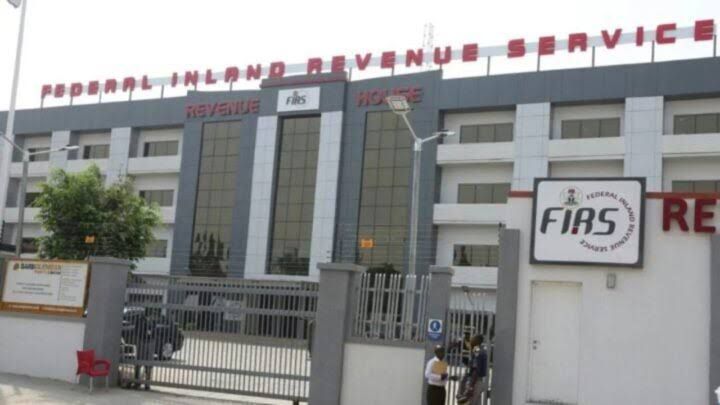
Stakeholders say the reform represents a key pillar in Nigeria’s broader fiscal modernisation strategy.
By institutionalising real-time reporting through the FIRS e-invoicing accreditation, the Federal Government is aiming to reduce tax evasion, strengthen revenue assurance, and improve accountability within supply chain and procurement activities across the public and private sectors.
Industry analysts observe that the reform will compel businesses to enhance internal financial governance, restructure control processes, and invest in compliance-driven digital infrastructure.
While some organisations are expected to face adjustment challenges initially, the long-term benefits include improved audit trail integrity, reduced disputes, and enhanced regulatory confidence.
For the FIRS, the FIRS e-invoicing accreditation forms part of an ongoing drive to build a modern, data-driven tax administration capable of supporting sustainable revenue growth.
The agency has, in recent years, expanded its digital reporting infrastructure and strengthened oversight of high-value commercial transactions.
With the rollout of mandatory e-invoicing, policymakers believe Nigeria is positioning itself among economies leveraging technology to streamline fiscal operations and align with global best practices.
The success of the FIRS e-invoicing accreditation, however, will depend on the speed of adoption, the robustness of governance frameworks, and the ability of businesses to embed compliance into their operational culture.
As implementation progresses, PwC Nigeria is expected to play a central role in guiding corporate entities through system integration, process optimisation, and ongoing regulatory alignment under the FIRS e-invoicing accreditation regime—supporting the national objective of achieving greater transparency, stronger compliance culture, and improved revenue assurance.
About The Author