In a decisive move to accelerate Nigeria’s clean energy transition, the Federal Government has secured €21 million in financial support from Germany to expand renewable energy access, strengthen energy efficiency initiatives, and enhance private sector participation in green growth.
The funding announcement was made during the Working Group on Power, Energy, and Climate meeting held in Germany on November 3, 2025, where both countries signed a Joint Declaration of Intent on Bilateral Energy Transition Dialogue and Cooperation.
This marks a significant milestone in Nigeria’s decade-long partnership with Germany aimed at fostering sustainable energy reforms and climate resilience.
Nigeria’s clean energy transition enters new phase
Under the new framework, Germany’s Federal Ministry for Economic Cooperation and Development (BMZ) pledged an additional €9 million to the Nigeria Energy Support Programme (NESP) in 2024, along with €12 million for the newly launched Energy Transition Challenge Fund (ETCF).
Nigeria’s Minister of Power, Adebayo Adelabu, who represented the country at the event, described the financial support as a strategic boost to the government’s ambition of achieving a sustainable and inclusive energy system.
“The financial mechanisms, including the ‘Green Line of Credit’ for small and medium enterprises (SMEs) and the mobilisation of private investment through GET.invest, are critical enablers,” Adelabu stated.
“Combined with the technical cooperation outlined in our Joint Declaration, we are building a comprehensive ecosystem for energy success.”
The Minister emphasised that Nigeria’s clean energy transition is central to the nation’s broader economic transformation agenda.
According to him, renewable energy investments are not just environmental imperatives but also vital economic levers that will drive job creation, improve energy access, and reduce poverty across rural and urban areas.
Germany’s partnership deepens renewable energy access
The Nigeria Energy Support Programme (NESP)—a long-standing joint initiative between Nigeria and Germany—has over the years focused on expanding access to clean energy, improving policy frameworks, and advancing off-grid electricity solutions.
The new €9 million funding will strengthen NESP’s ability to scale up renewable energy deployment in underserved communities, promote energy efficiency, and drive regulatory reforms to attract more private investment in the power sector.
Meanwhile, the Energy Transition Challenge Fund (ETCF) is designed to support innovative clean energy projects that align with Nigeria’s long-term decarbonisation strategy.
The Fund will co-finance ventures that promote sustainable energy technologies, boost local manufacturing capacity for green products, and build technical expertise for climate-resilient energy development.
Officials from both countries reaffirmed their commitment to deepening cooperation and ensuring that the clean energy transition delivers tangible socio-economic outcomes for Nigerians.
The partnership, they said, represents a model of how international collaboration can translate into practical, scalable energy solutions for developing nations.
Private sector to play key role in Nigeria’s clean energy transition
A central component of Nigeria’s clean energy transition plan is increased private sector participation.
The government is encouraging energy entrepreneurs, innovators, and financiers to invest in renewable projects through blended finance mechanisms and risk-sharing instruments.
The Green Line of Credit, introduced under the new arrangement, aims to make funding more accessible for small businesses involved in solar power, mini-grids, and energy-efficient technologies.
Similarly, the collaboration with GET.invest, a European initiative that mobilises private investment for sustainable energy, is expected to attract capital inflows and enhance the bankability of green projects in Nigeria.
Adelabu also reaffirmed the government’s resolve to pursue energy policies that balance sustainability with affordability.
“We are not only investing in renewable energy technologies but also ensuring that Nigerians have access to reliable, affordable power that supports industrialisation and improves quality of life,” he said.
Strengthening coordination under the Presidential Power Initiative
During the meeting, both delegations reviewed progress under the Presidential Power Initiative (PPI)—a flagship programme aimed at modernising Nigeria’s power transmission and distribution networks.
Germany proposed that future Nigeria-Germany Energy Partnership meetings be institutionalised and held annually from 2026 at the undersecretary level to strengthen coordination and accountability.
This proposal, observers say, reflects Germany’s confidence in Nigeria’s commitment to transparency and results-driven energy governance.
The bilateral energy dialogue will also prioritise skills development, knowledge transfer, and policy alignment to accelerate the clean energy agenda.
A defining moment for Nigeria’s energy future
Experts believe the €21 million support package signals renewed international confidence in Nigeria’s commitment to achieving a low-carbon economy.
It also underscores the growing recognition that Africa’s energy transformation is pivotal to global climate stability.
For Nigeria, the funding arrives at a crucial time when the country is grappling with electricity supply challenges, fossil fuel dependency, and climate-related vulnerabilities.
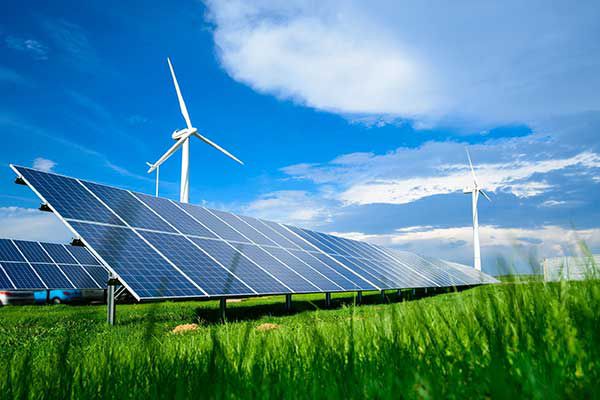
With growing investments in solar, wind, and bioenergy, analysts predict that the clean energy transition could add billions of dollars to GDP growth while reducing emissions and creating thousands of new jobs.
The partnership with Germany, therefore, is more than a financial agreement—it is a long-term collaboration anchored on innovation, sustainability, and shared prosperity.
As Adelabu put it, “Nigeria’s clean energy transition is not just about achieving net-zero; it is about empowering our people, revitalising our industries, and building a future powered by resilience and opportunity.”
About The Author