Nigeria–Türkiye Defence and Economic Ties Gain Momentum Before Tinubu’s Visit
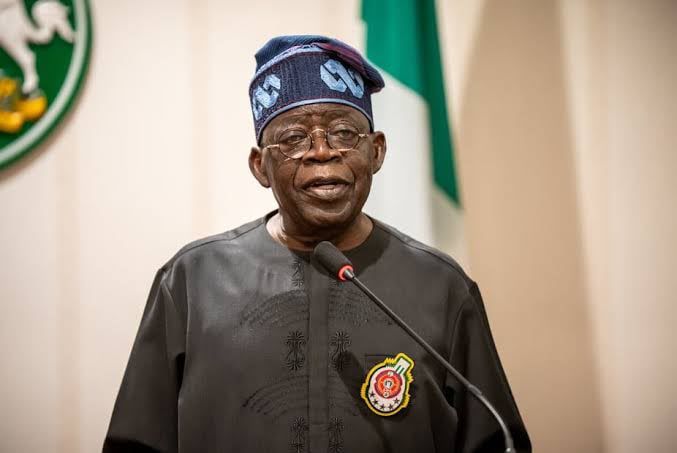
Nigeria and Türkiye have intensified diplomatic and strategic engagements aimed at strengthening defence, security, and economic cooperation, as both countries position themselves for deeper bilateral relations ahead of President Bola Ahmed Tinubu’s planned state visit to Ankara.
The renewed push followed high-level talks between Nigeria’s Minister of Foreign Affairs, Ambassador Yusuf Maitama Tuggar, and Türkiye’s Minister of Foreign Affairs, Hakan Fidan, in Ankara.
The discussions underscored a growing alignment between Africa’s largest economy and one of Eurasia’s most influential regional powers, particularly in the areas of military collaboration, trade expansion, and political cooperation.
According to a statement released on Monday in Abuja by Tuggar’s Special Adviser on Media and Communication Strategy, Alkasim Abdulkadir, the engagement reflected a shared commitment to repositioning Nigeria–Türkiye defence and economic ties within a broader strategic framework.
Strategic Talks Ahead of Presidential Visit
The meeting, which took place ahead of President Tinubu’s official visit to Türkiye, reviewed the current state of bilateral relations and explored new areas for cooperation across multiple sectors.
Diplomatic sources described the talks as forward-looking, with both sides seeking to translate political goodwill into concrete outcomes.
“The discussions reaffirmed the strategic nature of relations between Nigeria and Türkiye and highlighted opportunities to deepen collaboration in defence, trade, investment, and multilateral engagement,” the statement said.
President Tinubu’s visit is expected to serve as a critical diplomatic milestone, setting the tone for a more institutionalised partnership between both countries.
Expanding Economic Cooperation and Investment
A key focus of the talks was economic engagement, with Ambassador Tuggar stressing Nigeria’s interest in expanding bilateral trade volumes and attracting increased Turkish investment into critical sectors of the Nigerian economy.
He identified construction, manufacturing, energy, and infrastructure development as priority areas where Turkish expertise and capital could play a transformative role.
Turkish firms already have a visible footprint in Nigeria, particularly in construction and industrial projects, but both ministers agreed that the current level of engagement does not fully reflect the potential of the partnership.
Both sides acknowledged the steady growth in economic relations and emphasised the need to unlock further opportunities through structured public–private sector collaboration, improved investment frameworks, and policy coordination.
Analysts note that strengthening Nigeria–Türkiye defence and economic ties could also support Nigeria’s broader economic diversification agenda, especially at a time when the Federal Government is seeking to reduce dependence on oil revenues.
Deepening Defence and Military Collaboration
Beyond trade and investment, security cooperation featured prominently in the discussions.
The two ministers highlighted opportunities to deepen collaboration in military affairs, defence technology, and the defence industry.
Türkiye has, in recent years, emerged as a significant global player in defence manufacturing, particularly in unmanned aerial vehicles (UAVs), armoured platforms, and military hardware.
Nigeria, on the other hand, continues to confront security challenges ranging from insurgency and banditry to maritime insecurity in the Gulf of Guinea.
Diplomatic observers say closer defence ties could enhance Nigeria’s operational capacity, promote technology transfer, and strengthen local defence production over time.
The talks also touched on capacity building, intelligence sharing, and joint initiatives aimed at improving regional security outcomes.
Türkiye Commends Nigeria’s Regional Leadership
During the meeting, Turkish Foreign Minister Hakan Fidan commended Nigeria’s leadership role in West Africa and across the African continent, particularly in the promotion of peace, stability, and regional integration.
He acknowledged Nigeria’s contributions through ECOWAS and other continental frameworks, noting that Ankara views Abuja as a key partner in advancing shared security and development objectives.
According to the statement, both ministers agreed that sustained engagement between Nigeria and Türkiye would not only benefit their respective countries but also contribute to stability and economic growth across their regions.
In addition to defence and economic issues, the talks also covered political and multilateral cooperation.
Both sides reaffirmed their shared commitment to sovereignty, institutional cooperation, and pragmatic diplomacy, particularly within international organisations.
The statement noted that Tuggar’s visit—his first official trip to Türkiye as Nigeria’s foreign minister—symbolised the evolving nature of relations between the two countries and their intention to move beyond traditional diplomatic exchanges.
“The visit reflects the growing strategic character of Nigeria–Türkiye relations, anchored on shared values and a pragmatic approach to partnership,” the statement said.
Tinubu’s Visit Seen as Turning Point
President Tinubu’s forthcoming visit is widely seen as a potential turning point in Nigeria–Türkiye defence and economic ties, with expectations that several memoranda of understanding (MoUs) and cooperation agreements could be finalised.
Foreign policy experts say the timing of the visit is significant, coming at a period when Nigeria is recalibrating its foreign policy to attract investment, strengthen security partnerships, and assert itself more forcefully on the global stage.
If successfully leveraged, the visit could open new channels for defence collaboration, trade expansion, and long-term strategic engagement between both countries.
Outlook for Bilateral Relations
As global geopolitical dynamics continue to shift, Nigeria’s engagement with Türkiye reflects a broader trend of diversifying strategic partnerships beyond traditional allies.
For Türkiye, deeper ties with Nigeria offer access to Africa’s largest market and a gateway to West African trade and diplomacy.
With high-level diplomatic momentum building and presidential engagement on the horizon, stakeholders on both sides are optimistic that the next phase of cooperation will deliver tangible benefits in security, economic development, and regional stability.
About The Author