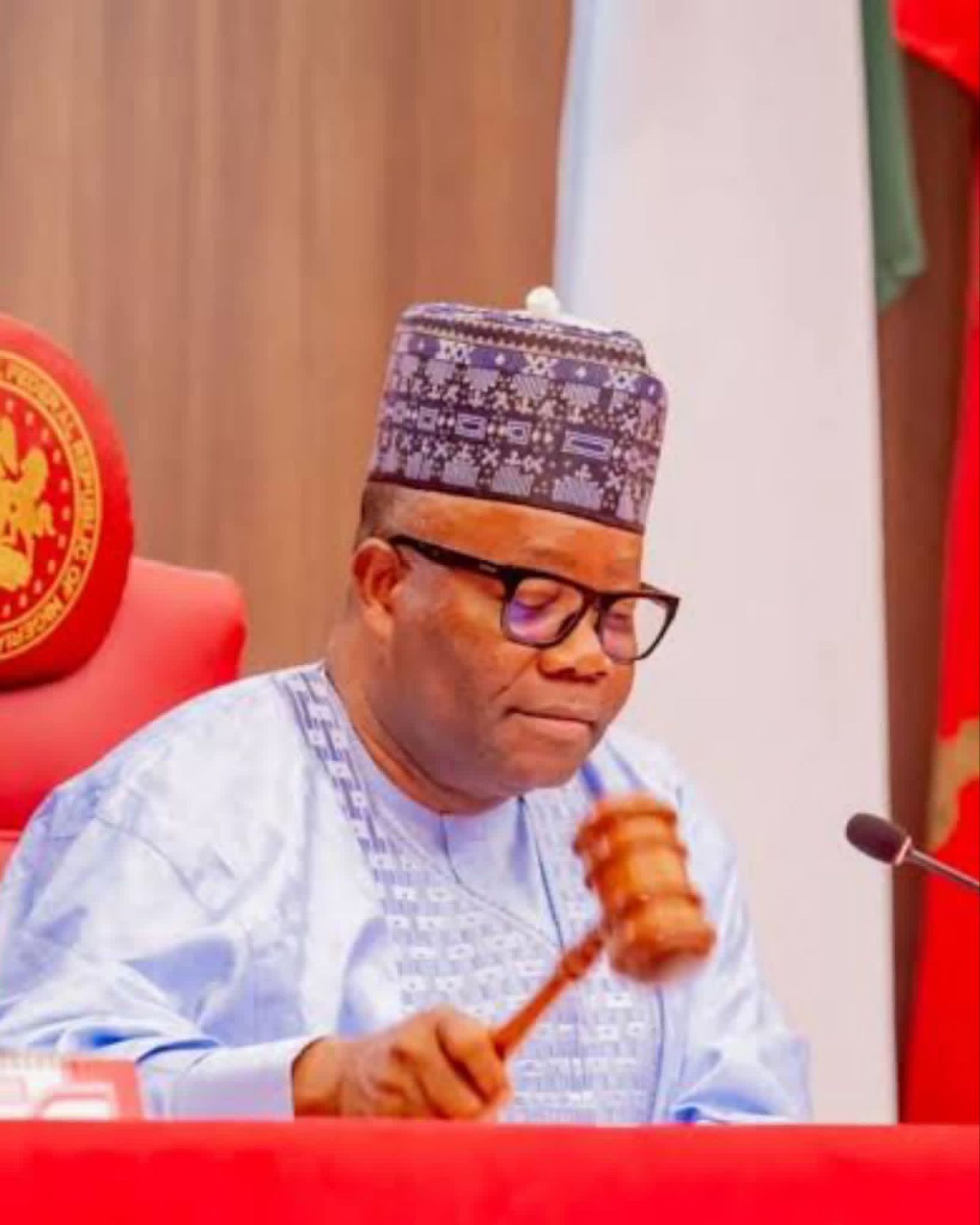
Nigeria debt to hit N155trn as Senate approves $6bn loan
Nigeria’s public finance landscape is set for a significant shift as the National Assembly approved a fresh $6bn external borrowing request, pushing the country’s total debt stock towards an estimated N155 trillion.
The development has intensified debates among economists, policymakers, and opposition figures over debt sustainability, fiscal discipline, and the long-term implications for Africa’s largest economy.
The approval, granted by the Senate within hours of receiving the request, underscores the urgency attached to the Federal Government’s financing needs. However, it has also raised concerns about the depth of legislative scrutiny applied to such a critical fiscal decision.
Rapid approval sparks debate
The loan request, transmitted by President Bola Tinubu, was processed and approved in a notably short timeframe, drawing criticism from stakeholders who argue that such significant borrowing decisions require rigorous analysis.
Economic analysts note that the new facility will add approximately N8.4 trillion to Nigeria’s existing debt profile, which stood at about N146.69 trillion as of the end of 2025. With this addition, projections indicate that Nigeria’s debt could climb to N155 trillion, reinforcing concerns about rising fiscal vulnerabilities.
Critics, including former Vice President Atiku Abubakar, have questioned the speed of the approval process, describing it as a potential weakening of legislative oversight. According to him, the lack of extended debate raises accountability concerns at a time when public debt is expanding rapidly.
Structure of the $6bn facility
A key component of the approved borrowing is a $5bn structured financing arrangement designed as a Total Return Swap (TRS). This derivative-based instrument allows the government to access foreign currency liquidity while using naira-denominated securities as collateral.
Financial experts explain that while this model offers flexibility in drawdown and reduces immediate pressure on external reserves, it introduces complex risk variables, particularly linked to exchange rate volatility.
The facility is expected to be disbursed in tranches over several years, allowing the government to align borrowing with fiscal needs. An additional $1bn loan has also been earmarked for infrastructure development, particularly the rehabilitation of critical port facilities in Lagos.
Rising debt service concerns
As Nigeria debt to hit N155trn, analysts warn that debt servicing costs could escalate further, especially given the country’s already strained revenue profile. Current estimates place Nigeria’s debt service-to-revenue ratio at around 60 per cent, a level widely considered unsustainable.
Economists caution that increased reliance on external borrowing exposes the country to foreign exchange risks. Since repayments are denominated in dollars, any depreciation of the naira could significantly inflate the cost of servicing the loans.
A Lagos-based financial analyst noted that currency volatility remains one of the most critical threats to Nigeria’s debt outlook. “When the naira weakens, the real burden of external debt rises sharply. This creates additional fiscal pressure, especially when revenue growth is not keeping pace,” he said.
Infrastructure gains versus fiscal risks
Despite the concerns, government officials have defended the borrowing plan, highlighting its role in financing infrastructure and supporting economic growth. A portion of the funds is expected to be channelled into upgrading the Lagos Port Complex and Tin Can Island Port—two of Nigeria’s most strategic trade gateways.
Experts agree that improved port infrastructure could boost trade efficiency, reduce congestion, and enhance customs revenue. However, they stress that the success of such investments depends heavily on execution and transparency.
“There is clear economic logic in investing in ports,” an economist stated. “But the real question is whether these projects will generate enough economic returns to offset the borrowing costs.”
Currency risk and fiscal exposure
One of the most significant risks associated with the new borrowing arrangement lies in its exposure to exchange rate fluctuations. The TRS structure requires collateral in naira-denominated instruments, which are subject to market valuation.
If the value of these securities declines due to currency depreciation or market movements, the government may be required to provide additional dollar-based margin payments. This could further strain foreign reserves and fiscal stability.
Analysts also warn that interest payments tied to global benchmark rates such as SOFR could increase borrowing costs over time, especially in a tightening global monetary environment.
Calls for transparency and reform
As Nigeria debt to hit N155trn becomes a focal point in economic discourse, stakeholders are calling for greater transparency in the management of public debt. Concerns have been raised about overlapping loan requests, unclear repayment strategies, and the need for a coherent long-term debt management framework.

Business leaders and policy experts have urged the Federal Government to prioritise revenue generation, reduce leakages, and ensure that borrowed funds are invested in high-impact sectors capable of driving economic growth.
“There must be a clear roadmap for how these loans will be repaid,” a financial consultant said. “Without strong revenue mobilisation, the country risks entering a cycle of borrowing to service existing debt.”
Balancing growth and sustainability
While borrowing remains a legitimate fiscal tool, experts emphasise that its effectiveness depends on prudent utilisation and sound economic management. The challenge for Nigeria lies in balancing the need for immediate funding with the long-term goal of debt sustainability.
With Nigeria debt to hit N155trn, the spotlight is now on policymakers to demonstrate fiscal discipline, strengthen institutional frameworks, and ensure that borrowing translates into tangible economic benefits.
As global economic uncertainties persist and domestic revenue challenges remain unresolved, the country’s debt trajectory will continue to shape its economic outlook in the years ahead.
About the Author