NATO joins Iran-US war in a dramatic escalation of the Middle East conflict, as alliance members confirmed expanded naval and air deployments to support American operations in the Gulf.
The move signals a major shift from diplomatic backing to coordinated military involvement, heightening fears that the regional crisis could widen into a broader confrontation.
The announcement followed emergency consultations at NATO headquarters in Brussels, where representatives from member states discussed rising tensions after Iranian strikes on US positions and maritime assets.
A joint statement confirmed that several NATO allies would enhance intelligence sharing, maritime patrols and air defence coordination in what officials described as a defensive stabilisation mission.
The decision comes as the US continues joint military operations with Israel against Iranian military infrastructure. The alliance’s entry into the conflict marks the most significant collective Western military alignment in the region since operations against ISIS nearly a decade ago.
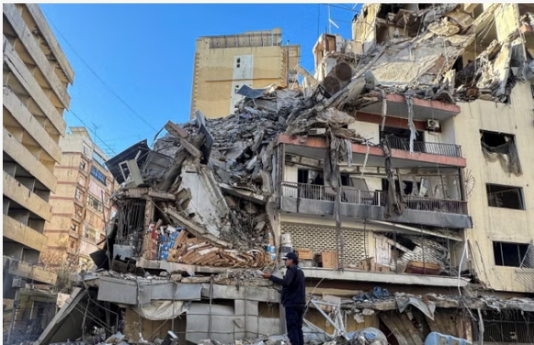
Secretary General Jens Stoltenberg said NATO’s involvement was aimed at protecting international shipping lanes and deterring further destabilisation. “Our objective is security and stability,” he said. “Freedom of navigation and the protection of allied forces are core priorities.”
Under Article 4 of the NATO treaty, member states can consult when territorial integrity or security is threatened. Diplomats confirmed that consultations were triggered after Iranian missile and drone attacks targeted US military installations in the Gulf.
The United States, led by President Donald Trump, welcomed NATO’s decision, calling it a demonstration of “unified Western resolve.” Pentagon officials indicated that allied naval assets would assist in securing the Strait of Hormuz, a critical chokepoint through which roughly a fifth of global oil supplies pass.
The Strait of Hormuz has become a flashpoint in recent days after Iranian commanders warned that all vessel movements could fall under Tehran’s control during wartime conditions. Shipping insurers have raised premiums sharply, while several commercial carriers temporarily rerouted cargo.
France, the United Kingdom and Italy are expected to contribute frigates and reconnaissance aircraft. Germany has pledged logistical and surveillance support. Turkey’s position remains closely watched given its geographic proximity and complex ties with both Western allies and regional powers.
Critics argue that NATO military involvement risks deepening the Middle East conflict escalation rather than containing it. Some European lawmakers have expressed concern that alliance engagement could blur the line between deterrence and direct participation.
Within Washington, congressional debate continues over the scope of US war powers. However, the administration maintains that NATO’s role strengthens deterrence and reduces the burden on American forces.
Iranian officials condemned the move, describing it as “collective aggression.” A spokesperson for the Iranian foreign ministry warned that any foreign forces entering the Gulf would be considered legitimate targets if hostilities intensify.
Military analysts note that NATO’s presence could alter Iran’s strategic calculations. While Tehran has previously engaged US assets directly, confronting a multinational alliance presents a more complex deterrence dynamic.
The alliance insists its mandate remains defensive. NATO aircraft will reportedly conduct surveillance missions, while naval vessels will escort commercial shipping vulnerable to missile or drone strikes.
Energy markets reacted immediately to the announcement.
Oil prices rose on concerns that expanded NATO operations could provoke retaliatory actions from Iranian forces, potentially disrupting exports.
Regional actors are also recalibrating. Gulf states have increased air defence readiness, while Oman and Qatar are reportedly mediating behind the scenes to prevent further escalation.
Diplomatic efforts continue at the United Nations, though divisions among Security Council members complicate consensus on a ceasefire resolution.
The broader geopolitical implications are significant. NATO joins Iran-US war at a time when global alliances are already under strain from conflicts in Eastern Europe and Asia.
The move signals renewed transatlantic cohesion but also risks stretching alliance resources.
Security experts suggest that the alliance’s presence may stabilise maritime routes in the short term, but sustained engagement could entrench NATO deeper into a volatile theatre.
For now, NATO joins Iran-US war under the banner of deterrence and maritime security. Whether that involvement remains limited or evolves into broader combat participation will depend largely on the trajectory of US-Iran hostilities in the coming days.
Read also:Mark Carney doesn’t rule out Canada joining war as Israel launches fresh strikes on Tehran
About The Author