Nasry Asfura, the conservative National Party candidate endorsed by United States President Donald Trump, holds a narrow early lead as partial results from Honduras’s presidential election gradually emerge nationwide.
With approximately 40 percent of ballots tallied, electoral authorities reported Asfura securing around 41 percent support, placing him slightly ahead of his Liberal Party challenger Salvador Nasralla’s roughly 39 percent total.
Rixi Moncada, representing the ruling LIBRE party, trails in third place with around 20 percent, falling behind expectations despite efforts to mobilize significant urban and youth-oriented support networks.
The election unfolded shortly after Trump’s heavily publicized intervention, which sparked renewed debate over foreign influence as he openly endorsed Asfura and criticized left-leaning Honduran political factions.
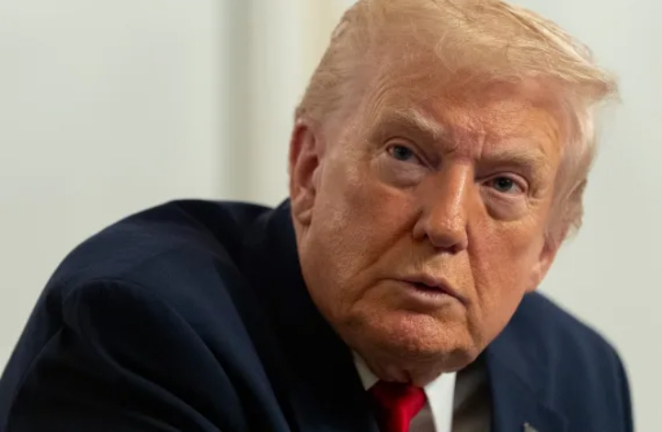
Trump described Asfura as a key figure in resisting what he called “narco-communist” threats, alarming analysts who fear such rhetoric deepens polarization within an already divided Honduran electorate.
Observers noted parallels between Trump’s remarks and his sudden endorsements elsewhere, including his vocal support for Argentina’s leadership during recent electoral turbulence that intensified regional political divisions.
Adding controversy, Trump vowed before the vote to pardon former Honduran President Juan Orlando Hernandez, a longstanding Asfura ally currently serving a 45-year sentence in the United States.
Hernandez’s conviction on drug trafficking and weapons-related charges remains politically explosive, and Trump’s pardon promise sparked outrage from anti-corruption activists, opposition leaders, and human rights organizations.
Supporters of Hernandez insist his conviction was politically motivated, but critics argue that Trump’s comments signal troubling leniency toward corruption and criminality at the highest levels.
Meanwhile, the three leading candidates frequently accused each other of attempting to manipulate electoral outcomes, heightening fears of unrest if results are contested or disputed afterward.
National Electoral Council president Ana Paola Hall publicly urged all political actors to avoid inflammatory language capable of provoking confrontations, demonstrations, or destabilizing violence during the tense vote-counting period.
Her warning followed weeks of acrimonious campaigning where allegations of fraud, threats, and disinformation circulated widely, undermining public trust and amplifying anxieties among undecided voters.
Security and employment remain central issues shaping voter sentiment, reflecting the enduring influence of violent crime, drug trafficking, and widespread economic inequality across many vulnerable Honduran communities.
Despite limited improvements under President Xiomara Castro’s administration, Honduras continues to record Central America’s highest homicide rate, overshadowing progress made through targeted policing and social interventions.
Economic frustrations persist as unemployment and underemployment push many families into precarious livelihoods, contributing to sustained migration pressures and reliance on remittances from abroad.
Asfura has campaigned on restoring security, revitalizing investment, and strengthening ties with Washington, presenting himself as the stability candidate in a country craving institutional certainty.
Nasralla, long viewed as a reformist figure, prioritizes anti-corruption reforms, judicial transparency, and expanded social protection, framing himself as a leader capable of cleansing Honduran political institutions.
Moncada emphasizes deeper social transformation, expanding welfare programs, and confronting entrenched criminal networks, though her base remains constrained by the ruling party’s declining popularity.
Analysts warn that regardless of the victor, the next administration faces daunting governance challenges, including weakened institutions, public distrust, and persistent criminal infiltration.
Preliminary turnout figures suggest strong national participation, reflecting widespread hopes for change and heightened political engagement across urban centers, rural communities, and marginalized regions.
International observers from the Organization of American States and European Union monitored thousands of polling stations, seeking to ensure transparency and preempt accusations of systemic manipulation.
Early reports indicated largely smooth operations, though officials cautioned that delayed transmissions from remote areas could trigger disputes among parties expecting favorable late-counting precincts.
Asfura encouraged his supporters to remain patient, declaring confidence in early numbers while avoiding premature victory claims amid ongoing tabulation and verification processes.
Nasralla urged vigilance, stating that his campaign’s internal projections pointed toward potential gains as additional urban districts began submitting their results for inclusion.
Moncada adopted a calm but determined stance, insisting that regions where LIBRE traditionally performs well still had significant outstanding votes that could reshape preliminary percentages.
Diplomatic observers expressed concern over the United States’ unusually direct involvement, describing Trump’s repeated interventions as potentially disruptive to Honduran institutional independence.
Honduras’s strategic geopolitical position, shaped by migration patterns, counter-narcotics cooperation, and American security priorities, has historically made it sensitive to foreign political pressure.
Reactions to Trump’s statements reveal deep societal divisions, with conservative voters praising his involvement while others condemn it as undermining sovereignty and pressuring domestic political outcomes.
Many young voters, increasingly skeptical of traditional alliances, expressed frustration that foreign actors overshadowed debates about inequality, education, digital access, and climate resilience.
Political economists argue that the election’s outcome could reshape Honduras’s economic policy, foreign investment climate, and entire regional diplomatic posture for years to come.
Civil society groups warned that extended disputes or accusations of fraud could damage democratic institutions and provoke unrest reminiscent of past contested election cycles.
Officials emphasized that comprehensive results would require time, citing logistical complexities, verification procedures, and the need to maintain accuracy over rapid reporting.
The National Party hopes Asfura’s narrow lead will expand as additional precincts report final tallies, strengthening efforts to reclaim presidential power after losing in 2021.
Nasralla’s camp remains cautiously optimistic, highlighting that many decisive urban precincts often record late but can dramatically alter the balance when included.
LIBRE supporters argue that early results underestimate their true strength, pointing to rural and coastal communities where slower reporting is common and turnout appears robust.
International aid organizations stress that Honduras’s next government must address long-term structural issues including poverty, climate vulnerability, fragile agriculture, and limited economic diversification.
Remittance dependence continues shaping national development, making economic reforms and job creation central to any administration seeking lasting stability and reduced migration pressures.
Political scientists describe Honduras as entering a critical transitional period, where leadership direction will influence democratic resilience, regional alliances, and socio-economic reform prospects.
Voters interviewed after casting ballots expressed mixed feelings, combining hope for renewal with deep concern that political tensions could escalate once results become final.
Some citizens fear that mistrust in institutions could trigger protests, contested outcomes, or violent confrontations, particularly in regions with strong partisan loyalties.
Security forces increased their presence near government buildings, electoral offices, and major plazas, aiming to deter unrest while maintaining freedom of assembly.
Community and religious leaders urged calm, asking politicians to accept certified results and avoid rhetoric that inflames divisions or delegitimizes official electoral processes.
Honduras’s modern political history includes several contentious transitions, making transparency, stability, and public trust essential for maintaining democratic continuity.
Analysts predict that final results will shape critical policy directions including migration cooperation, anti-gang operations, national policing reforms, and relations with international partners.
Electoral authorities continue counting under close supervision, fully aware that prolonged delays may fuel speculation, misinformation, and partisan tensions during the fragile post-election window.
As night settled over Tegucigalpa, supporters from all major parties gathered outside campaign headquarters, waving flags, chanting slogans, and monitoring updates with growing anticipation.
Despite the tense atmosphere, relative calm prevailed, suggesting citizens recognize the importance of maintaining peace while awaiting final verifications and official declarations.
Should Asfura maintain his lead, his alignment with Trump could significantly impact early diplomatic dynamics and shape Honduras’s broader foreign policy orientation.
If Nasralla overtakes him, governance may emphasize transparency, accountability, and rekindling regional partnerships free from polarizing international endorsements.
A Moncada comeback, though increasingly unlikely, would preserve LIBRE’s progressive agenda while attempting to stabilize a country facing multiple social and economic pressures.

As counting progresses, Honduras waits anxiously for the conclusive results, fully aware that the outcome will influence national stability, international relations, and long-term development strategies.
For now, the nation remains suspended between hope and uncertainty, watching the electoral process unfold with cautious optimism amid complex domestic and geopolitical pressures.
About The Author