M23 rebels, Dr Congo– Rwanda-backed M23 rebels say they will pull their fighters out of Uvira in eastern Democratic Republic of the Congo following pressure from the United States.
The announcement comes days after the armed group seized the strategic lakeside town, dealing a major blow to a US-brokered ceasefire agreement.
M23 leaders described the move as a goodwill gesture aimed at reviving a fragile peace process already under severe strain.
The withdrawal pledge was confirmed in a signed statement posted online by Corneille Nangaa, leader of the Alliance Fleuve Congo rebel coalition.
The coalition, which includes the M23 group, said fighters would leave Uvira “as per United States mediation request”.
Uvira lies in South Kivu province, close to the border with Burundi, making it a critical strategic and regional flashpoint.
Despite the announcement, conditions on the ground remained unchanged hours after the statement was issued.
Al Jazeera journalists reporting from Uvira said M23 fighters were still visible across key parts of the town on Tuesday morning.
Local residents expressed uncertainty, saying similar announcements in the past had failed to translate into real withdrawals.
M23 has previously accused the Congolese army and allied militias of exploiting rebel pullbacks to retake territory.
The group warned civilians could again become targets if government forces advance into areas vacated by the rebels.
M23 seized Uvira last week after rapid advances across eastern DR Congo, escalating an already volatile conflict.
The takeover came just days after Congolese and Rwandan leaders signed a peace agreement in Washington, DC.
That accord, brokered by the United States, was intended to halt months of intense fighting in mineral-rich eastern regions.
The Uvira seizure also threatened a separate framework agreement signed in Doha between M23 representatives and Kinshasa.
Rebel leaders said the Uvira withdrawal was a “unilateral trust-building measure” to support the Doha peace process.
They called on international guarantors to oversee demilitarisation and ensure protection for civilians and infrastructure.
The group also demanded monitoring of the ceasefire through deployment of what it described as a neutral force.
The Doha framework, agreed in November, laid out steps to reduce violence and improve humanitarian conditions.
However, it left unresolved questions about the long-term withdrawal of M23 fighters from Congolese territory.
Fighting in eastern DR Congo has killed thousands and displaced hundreds of thousands since the start of the year.
The conflict has repeatedly drawn in neighbouring countries, raising fears of a wider regional war.
Washington reacted sharply to M23’s seizure of Uvira, publicly accusing Rwanda of breaching peace commitments.
US Secretary of State Marco Rubio described the rebel advance as a “clear violation of the Washington Accords”.
Rwanda denies backing the M23 group, despite mounting international pressure and extensive UN documentation.
Rubio warned that the United States would take action to ensure promises made to President Donald Trump were honoured.
Analysts say the unusually strong US response likely forced M23 leaders to reconsider their next steps.
Paul-Simon Handy of the Institute for Security Studies said the rebels were using Uvira as leverage.
He described the seizure and withdrawal announcement as a negotiating tactic to extract concessions from Kinshasa.
According to Handy, M23 has repeatedly used similar strategies to alter realities on the ground.
“They take territory, announce withdrawals, then return when conditions allow,” he said.
Handy questioned what strategic benefit M23 expected from antagonising Washington, the deal’s principal backer.
He said genuine commitment to peace would have meant avoiding the Uvira takeover altogether.
The episode has deepened scepticism among Congolese officials about the rebels’ intentions.
Government sources accuse M23 of deliberately undermining every ceasefire agreement signed this year.
Uvira’s capture also heightened tensions with Burundi, which has troops deployed in eastern DR Congo.
The town sits on Lake Tanganyika, a vital trade and security corridor for the wider Great Lakes region.
Burundian officials fear renewed fighting could spill directly across their border.
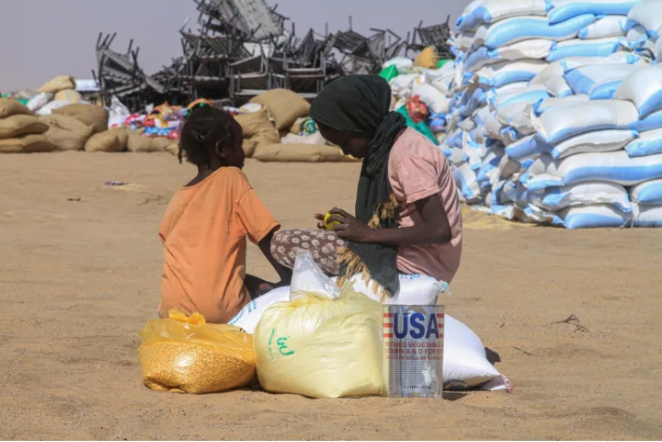
Thousands of civilians fled toward Burundi during the rebel advance, overwhelming border communities.
Aid agencies warn that continued instability could trigger another major humanitarian emergency.
Eastern DR Congo is already home to millions of internally displaced people.
The resurgence of M23 has revived memories of earlier rebellions that destabilised the region for years.
Critics argue international mediation has repeatedly failed to address the conflict’s root causes.
Those include control of territory, mineral wealth, and unresolved tensions between Kigali and Kinshasa.
Read also: Australian PM locks horns with Netanyahu over linking Palestine recognition to Bondi beach attack
For residents of Uvira, the withdrawal promise offers cautious hope but little immediate relief.
Many say trust has been eroded by cycles of capture, retreat and renewed violence.
Shops remain closed, schools are shut, and humanitarian access is severely restricted.
Community leaders fear reprisals regardless of which armed group ultimately controls the town.
As diplomats push to salvage the ceasefire, the situation on the ground remains fragile.
Whether M23 actually withdraws from Uvira may determine the future of the wider peace effort.
For now, eastern DR Congo remains on edge, with peace once again hanging by a thread.
About The Author