The newly released Independent National Electoral Commission (INEC) timetable for the 2027 general elections has prompted an urgent response from the House of Representatives, which is set to convene an emergency plenary to deliberate on the matter.
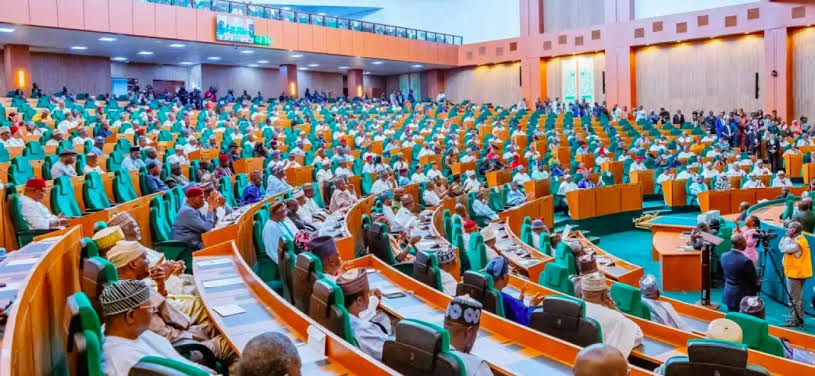
Lawmakers are expected to meet on Tuesday to examine the broader implications of the schedule announced by the INEC.
The decision to reconvene followed an internal memo circulated from the Office of the Speaker, notifying members of the need for immediate legislative engagement.
The House spokesperson, Akin Rotimi, confirmed in a statement that the special sitting would focus exclusively on issues arising from the election calendar released by the electoral body.
Under the current INEC timetable, presidential and National Assembly elections are slated for February 20, 2027, while governorship and state Houses of Assembly elections are scheduled for March 6, 2027.
Although the commission has the constitutional authority to fix election dates, the overlap with major religious observances has triggered national conversations about timing, inclusivity, and voter participation.
Projections indicate that Ramadan is expected to begin around February 8, 2027, and conclude near March 10. At the same time, the Christian Lenten season is anticipated to start on February 10 and continue until March 27, culminating in Easter celebrations on March 28.
The coincidence of both Ramadan and Lent with the scheduled polls has raised concerns among analysts and civil society groups about whether the INEC timetable adequately considered the spiritual commitments of millions of Nigerians.
Political observers argue that fasting periods may affect voter energy levels, travel patterns, and mobilisation efforts, particularly in regions where religious adherence strongly shapes daily routines.
Campaign rallies, political outreach, and grassroots engagement could also face adjustments.
Some stakeholders worry that reduced participation might influence turnout figures during the 2027 general elections, especially if logistical arrangements are not sensitively managed.
The emergency plenary by the House of Representatives is therefore expected to assess the constitutional and societal implications of the situation.
Lawmakers will explore whether legislative clarification, consultation with the electoral body, or other institutional measures may be required to ensure that democratic participation is not inadvertently constrained.
In his statement, Rotimi emphasised that the special sitting reflects the chamber’s readiness to act swiftly on issues with national consequences.
According to him, the deliberations will centre on relevant legislative responsibilities and the broader impact of the INEC timetable on Nigeria’s democratic framework.
He stressed that the House remains committed to responsive governance and the protection of citizens’ rights.
Beyond the immediate religious considerations, the debate is also likely to examine logistical preparedness.
Organising nationwide elections requires coordination across security agencies, electoral officials, political parties, and civil society organisations.
Lawmakers may seek assurances that security deployment, transportation, and polling arrangements will accommodate voters observing Ramadan and Lent.
Constitutionally, the National Assembly does not directly set election dates, but it retains oversight powers and can propose legislative amendments where necessary.
Some analysts believe the House may use the session to call for dialogue with INEC, while others suggest the focus could remain on advisory resolutions rather than binding changes.
Regardless of the outcome, the deliberation underscores how sensitive election planning can be in a diverse nation.
The broader significance of the INEC timetable debate lies in its potential effect on public confidence.
Election credibility depends not only on transparency and fairness but also on public perception that the process is inclusive and considerate of social realities.
If segments of the population feel disadvantaged by timing, it could shape political narratives leading up to the 2027 polls.
Civil society groups have urged constructive engagement rather than confrontation.
They argue that institutions should collaborate to find practical solutions that respect religious observances while preserving electoral integrity.
Suggestions have included intensified voter education, adjusted polling hours, and enhanced logistical support to ensure that participation remains strong despite fasting obligations.
Meanwhile, some political actors maintain that elections have historically been conducted during various seasons without significant disruption.
They contend that democratic timelines must follow constitutional frameworks and that citizens are capable of balancing civic duties with religious commitments.
This perspective highlights the importance of dialogue grounded in evidence rather than speculation.
As the House of Representatives prepares for its emergency session, attention will focus on how lawmakers interpret their constitutional role in relation to the electoral body.
The outcome of the debate could influence not only the final implementation of the INEC timetable but also the tone of political engagement in the months ahead.
Ultimately, the discussion surrounding the 2027 general elections reflects Nigeria’s complex social fabric, where faith, governance, and civic responsibility intersect.
Whether adjustments are proposed or the dates remain unchanged, the priority for all stakeholders will be to safeguard participation, strengthen institutions, and reinforce public trust in the democratic process.
The coming deliberations will therefore serve as a test of institutional cooperation.
By addressing concerns transparently and constructively, both the legislature and the electoral commission can demonstrate a shared commitment to inclusive democracy—ensuring that the electoral calendar supports, rather than hinders, the collective voice of the Nigerian people.
Ireport247news
About The Author