Nigeria is witnessing a renewed public health concern as Lassa fever infections climb in several parts of the country.
The Nigeria Centre for Disease Control and Prevention (NCDC) confirmed that 44 new cases were recorded during epidemiological week five of 2026, alongside six additional deaths.
The latest figures reflect a noticeable rise in fresh infections, even as health authorities intensify monitoring and response efforts.
The newly reported infections were detected across seven states: Bauchi, Ondo, Taraba, Edo, Plateau, Benue and Ebonyi.
These states now form part of a broader network of affected areas, as nine states in total have confirmed at least one case so far this year.
Spread across 33 local government areas, the data suggest that Lassa fever continues to maintain a persistent presence despite ongoing intervention campaigns.
From epidemiological week one through week five, the NCDC documented 31 deaths linked to the disease. This places the current Case Fatality Rate (CFR) at 18.8 per cent.
Although the mortality level remains significant, it represents a slight improvement compared to the 19.6 per cent CFR recorded during the same timeframe in 2025.
Public health experts interpret this marginal decline as a sign that earlier detection and improved case management may be yielding gradual benefits.
A breakdown of the statistics reveals that five states account for the overwhelming majority of infections.
Bauchi leads with 47 per cent of all confirmed cases, followed by Ondo with 18 per cent, Taraba with 14 per cent, Edo with 8 per cent, and Plateau with 5 per cent.
Collectively, these high-burden states contribute 92 per cent of all confirmed infections nationwide.
The remaining 8 per cent are distributed among four other states, underscoring the uneven geographical distribution of Lassa fever.
Health officials have also highlighted the demographic pattern emerging from the outbreak.
Adults between the ages of 21 and 30 appear to be the most affected group. However, cases have been recorded across a wide age range, from as young as one year to as old as 74 years.
This broad spread emphasizes that Lassa fever does not discriminate by age and that preventive awareness must target all segments of the population.
Despite the increase in week five figures, comparative analysis shows that both suspected and confirmed cases are lower than those reported during the same period last year.
This suggests that while there has been a short-term spike, the overall trajectory may not yet exceed previous seasonal peaks.
Experts caution, however, that complacency could reverse progress if surveillance and community engagement are weakened.
One development that has drawn attention is the infection of a healthcare worker during the reporting week.
Medical personnel are often at elevated risk due to close contact with infected patients.
The case underscores the importance of strict infection prevention and control measures within hospitals and treatment centres.
Ensuring adequate protective equipment and continuous training remains critical to safeguarding frontline workers.
In response to the current situation, the NCDC has activated the National Lassa fever multi-partner, multi-sectoral Incident Management System (IMS).
This coordinated framework brings together federal, state and local authorities, alongside development partners, to streamline response strategies.
The IMS structure is designed to enhance surveillance, laboratory testing, risk communication, case management and community sensitisation.
Authorities are also strengthening public awareness campaigns, particularly in high-burden states.
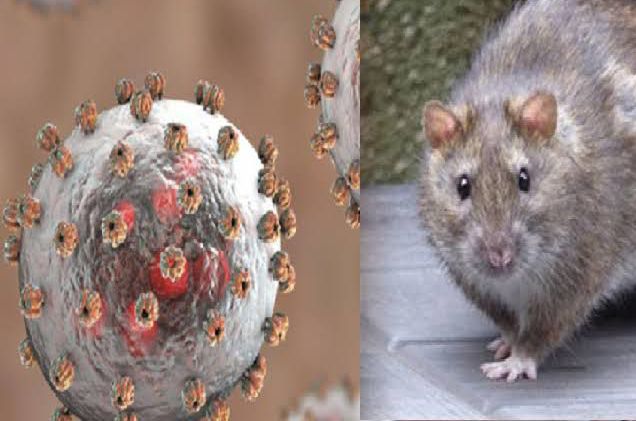
Residents are being reminded to maintain good hygiene practices, store food properly, and reduce exposure to rodents, which are known carriers of the virus.
Early reporting of symptoms to health facilities is strongly encouraged, as prompt treatment significantly improves survival outcomes.
The NCDC continues to stress that community cooperation plays a decisive role in containing the outbreak.
While government agencies provide technical leadership and logistical support, behavioural changes at household level remain vital.
Public health analysts believe that sustained vigilance over the coming weeks will determine whether the current rise stabilises or escalates further.
As Nigeria navigates this latest phase of the outbreak, officials maintain that the response infrastructure built over previous years offers a stronger foundation for containment.
However, the persistence of Lassa fever highlights the ongoing need for surveillance investment, public education, and healthcare system resilience.
About The Author