King Charles heckled over Prince Andrew during a Lichfield Cathedral visit, as a protester confronted the monarch with questions about his brother’s scandal and alleged police cover-ups.
The protester shouted, “Have you asked the police to cover up for Andrew?” The sudden confrontation drew gasps and murmurs from onlookers, highlighting the tension surrounding the Prince Andrew scandal.
He also demanded, “How long have you known about Andrew and Epstein?” The questions signaled growing public impatience with perceived palace secrecy regarding high-profile controversies involving royal family members.
Despite the disruption, King Charles maintained composure, continuing to shake hands and wave. Some spectators told the protester to “shut up,” reflecting a divided crowd with mixed reactions.
Graham Smith, chief executive of Republic, commented: “The royals need to be challenged. If Parliament won’t act, the public must insist on answers regarding Prince Andrew scandal allegations.”
Smith added, “Charles should be invited into a studio and asked directly about Andrew and Epstein. Silence only fuels suspicion and erodes public confidence in the monarchy.”

The heckling occurred as pressure mounts for Parliament to debate the Prince Andrew scandal, though the government has resisted allocating time in the House of Commons for formal discussion.
Earlier this month, Prince Andrew formally relinquished his royal titles and honours, including Duke of York, in response to backlash over his links to Jeffrey Epstein, a convicted sex offender.
Andrew’s announcement followed the upcoming posthumous memoir of his accuser Virginia Giuffre, who reiterated claims of sexual abuse, alleging she was trafficked as a teenager and coerced into encounters with the prince.
Giuffre’s memoir, published shortly after her death by suicide in April, details disturbing encounters allegedly orchestrated by Epstein, which Andrew continues to deny vehemently, fueling public debate and media scrutiny.
Public anger intensified when it was revealed that Andrew lived rent-free at the Royal Lodge, enjoying royal privileges despite ongoing scandals, prompting questions about accountability and propriety within the monarchy.
Reports indicate Andrew and ex-wife Sarah Ferguson agreed to vacate the Royal Lodge, each moving into separate residences, reflecting palace attempts to quietly resolve tensions without extensive media attention.
Andrew reportedly requested Frogmore Cottage, formerly the home of the Duke and Duchess of Sussex, while Ferguson may relocate to Adelaide Cottage once it becomes available, signaling continued royal accommodation negotiations.
Observers argue that the handling of Andrew’s scandal reflects the monarchy’s broader struggle with transparency, credibility, and public trust in an era dominated by social media scrutiny.
Republic’s Smith emphasized: “If Charles refuses to answer questions, the media must. The public has a right to know what he knew and when about Epstein links and Andrew’s actions.”
The cathedral incident illustrates a rare moment of public accountability for the monarchy, suggesting tolerance for perceived cover-ups is rapidly declining amid rising activism and scrutiny of royal privilege.
Several MPs expressed frustration with the government’s reluctance to formally debate Andrew’s position, arguing that parliamentary oversight is essential to maintaining public confidence in royal accountability.
King Charles’ composure demonstrates traditional royal decorum, yet critics argue that politeness alone may not satisfy public demand for transparency and justice regarding family scandals.
Andrew’s withdrawal from royal titles marks decades of controversy, including criticism of his judgment, financial dealings, and associations that cumulatively eroded his public standing and trust among citizens.
Ferguson’s continued involvement in royal circles complicates matters, as her past comments about Epstein and ongoing public presence draw renewed attention to unresolved reputational and ethical issues.
Analysts suggest that protests and persistent media coverage increasingly compel the monarchy to confront difficult questions proactively, rather than relying on traditional discretion and internal resolutions.
Charles’ Lichfield Cathedral visit, intended as ceremonial, quickly became a flashpoint highlighting tensions between public accountability, media scrutiny, and royal privilege, drawing national attention to the Prince Andrew scandal.
The protester’s questions reflected broader societal concerns about justice, legal accountability, and the limits of immunity for high-profile figures, underscoring expectations that royals are not above scrutiny.
As pressure mounts, the palace may face calls for official statements clarifying Charles’ knowledge of decisions regarding Andrew, highlighting the growing importance of transparency in the royal family’s internal processes.
Royal commentators argue that mishandling scandals such as Andrew’s could have long-term consequences for Charles’ reign, affecting both public approval and institutional credibility as he continues to navigate modern monarchy challenges.
While Andrew’s titles have been formally relinquished, debate continues over whether additional measures, including formal investigations or public hearings, are necessary to fully address allegations and restore public trust.
The Lichfield Cathedral episode underscores that modern monarchies operate under unprecedented scrutiny, where traditional deference and ceremonial immunity may no longer shield family members from public questioning.
Republic’s advocacy reflects rising expectations for accountability, emphasizing that royal privilege must coexist with societal norms, legal standards, and public morality, particularly in high-profile controversies.
Political analysts note that if the monarchy fails to address public concerns over Andrew and Epstein links, it risks eroding confidence in both the crown and the broader British institution.
Public reaction to the heckling has been mixed. Some praised the protester for asking difficult questions, while others expressed discomfort at what they perceived as disrespectful behavior toward the monarch.
Observers note that Charles faces a delicate balancing act: supporting family members while safeguarding the monarchy’s credibility amid persistent scrutiny, media investigation, and rising public expectations for transparency.
Andrew’s exit from royal titles followed decades of scrutiny over associations, financial dealings, and perceived judgment lapses, highlighting how personal actions of royals increasingly impact institutional reputation.
Ferguson’s continued prominence complicates matters, as her historical comments on Epstein and ongoing social presence perpetuate public attention to unresolved ethical and reputational questions.
Experts emphasize that how Charles navigates the fallout from Andrew’s scandal could define his reign, influencing public perception and the monarchy’s ability to maintain relevance in modern Britain.
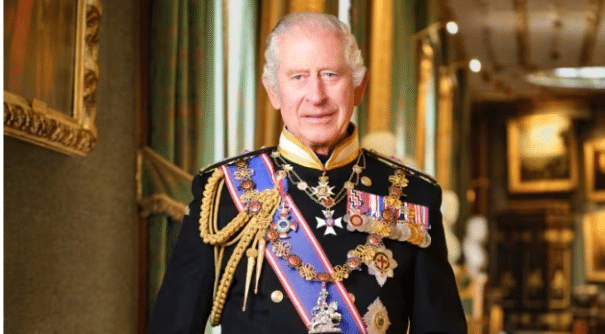
The cathedral visit incident demonstrates that royal engagements, even ceremonial ones, are now vulnerable to direct public questioning, reflecting growing societal demands for accountability and ethical oversight of high-profile figures.
King Charles heckled over Prince Andrew during the Lichfield Cathedral visit, exposing the monarchy’s precarious balance between tradition, family loyalty, and modern public accountability in the 21st century.
About The Author