


The Kachalla Ummaru Peace Dialogue in Katsina sparks heated debate as the bandit leader warns against military action and demands mutual respect.
Nigeria’s northwest continues to grapple with escalating insecurity, and fresh debate has erupted after controversial comments made during the Kachalla Ummaru Peace Dialogue in Katsina State.
The event, held in Matazu Local Government Area, brought together community elders, security officials, and armed group representatives in a bid to promote peace and reconciliation.
The dialogue followed a small breakthrough in neighboring Faskari Local Government Area, where 28 abductees were freed after local leaders facilitated negotiations.
But the latest meeting quickly became a talking point across Nigeria after Kachalla Ummaru, a notorious bandit leader, made blunt remarks challenging government and security agencies.
Central to the Kachalla Ummaru Peace Dialogue was Ummaru’s warning that the military approach to fighting banditry would not end violence but instead worsen it.
Speaking in Hausa in a video shared by counter-insurgency journalist Zagazola Makama, he alleged that killings only encourage more recruits.
Security experts have often echoed this view, warning that military campaigns can escalate grievances, especially when civilian casualties or abuses occur.
However, critics argue that leaving bandits unchecked also emboldens them, making the debate over force versus dialogue highly contentious.

During the peace meeting, Ummaru accused the government of failing to prioritize citizens’ welfare. According to him, authorities appear more interested in revenue than in solving the root causes of insecurity.
“Truth be told, the government doesn’t care about anyone. All it is after is how to generate money. If the government cared about the people, all these things wouldn’t be happening,” he claimed.
This reflects wider frustrations in rural areas, where communities complain of neglect, poor infrastructure, limited education, and inadequate healthcare.
Analysts say such conditions make young people more vulnerable to recruitment by armed groups.
Ummaru did not spare local communities either. He accused residents of Matazu and surrounding areas of feeding information to security agencies, which he claimed undermines peace efforts.
He further alleged that some security personnel exaggerate their successes to gain recognition or rewards.
“Even when they come to where we are, they don’t kill even a bird, but in the news, you’ll hear that 10 bandits have been killed and they’ll be paid,” he said.
“If security operatives will not be told to leave us alone, then I don’t see the essence of these peace talks.”
While his claims could not be independently verified, they highlight the deep mistrust among bandits, communities, and state security forces.
In one of the most pointed moments of the Kachalla Ummaru Peace Dialogue, the bandit leader addressed the Divisional Police Officer (DPO) of Danmusa Local Government Area, calling for fairness and reciprocity if peace talks were to succeed.
“If you want these peace talks to yield anything, then every favour we seek should be considered. Likewise, anything you request from us we ensure is done.
“It would be shameful if one side makes requests that are ignored. Let us support one another and live in peace.”
His remarks underline a recurring theme in negotiations with armed groups—the demand for recognition and equal treatment in dialogue processes.
Katsina, once a relatively peaceful farming state, has become one of the worst-hit regions in Nigeria’s banditry crisis.
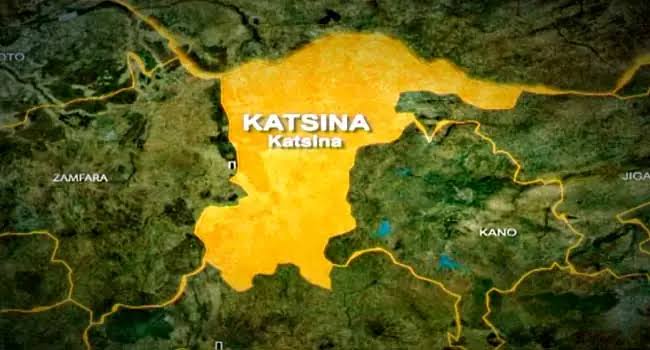
Villages have been raided, schools closed, markets disrupted, and thousands of residents displaced. Many families now live in camps or have fled to urban centers for safety.
The Kachalla Ummaru Peace Dialogue is one of several attempts by local and state leaders to use negotiation as a complement to military efforts.
Supporters argue dialogue may help isolate hardened criminals from those who joined armed groups due to poverty or frustration.
Critics, however, fear that talks with bandits risk legitimizing criminality and undermining the authority of the state.
Advocates say peace talks are vital because bandit groups are not uniform. Some members are career criminals, but others are young men driven by unemployment, marginalization, and lack of opportunity.
By engaging with them, communities may reduce violence and slowly dismantle the networks that sustain banditry.
They also argue that dialogue, combined with investment in education, healthcare, and infrastructure, offers a path to long-term stability. Without addressing these root causes, military victories are likely to be temporary.
Opponents of dialogue believe it rewards criminal behavior. For victims of kidnappings and killings, the idea of giving bandit leaders a platform is seen as an insult.
Some security analysts also warn that negotiations risk strengthening the bargaining power of armed groups, leading to more demands and further insecurity.
The federal government has at times pursued dialogue and at other times relied on full military campaigns, but neither approach has fully resolved the crisis.
This inconsistency has fueled skepticism about the effectiveness of ongoing peace initiatives.
For the people of Katsina and other northwestern states, the need for peace is urgent.
Farming and trade have been disrupted, children are out of school, and communities live in fear of the next attack.
Ordinary citizens bear the brunt of both bandit violence and the heavy-handed responses of security agencies.
The Kachalla Ummaru Peace Dialogue highlights the difficult choices Nigeria faces.
Should authorities continue to rely heavily on force, risking alienating local communities, or expand dialogue with controversial figures at the risk of legitimizing them?
What is clear is that insecurity cannot be solved by weapons alone. Dialogue, development, justice, and community trust must be combined if stability is to be restored.
Katsina’s experience shows that while peace talks are fraught with challenges, they may still represent a necessary step toward breaking the cycle of violence.
About The Author


