Football celebrations are some of the most emotional moments in the sport, but they also test the boundaries of rules. Jürgen Klopp’s booking after celebrating a last-minute Everton winner serves as a reminder.
Klopp sprinted onto the pitch to hug goalkeeper Alisson Becker after Divock Origi’s dramatic 95th-minute goal in the 2018 Merseyside derby. The celebration earned him a yellow card from the referee.
While managers are expected to remain in their designated technical areas, emotions often get the better of them after pivotal victories, creating moments that captivate fans but risk disciplinary action.
José Mourinho provides another example. In 2010, after his Inter Milan side stunned Pep Guardiola’s Barcelona at Camp Nou, Mourinho sprinted down the touchline, celebrating one of football’s most iconic wins.
Mourinho’s touchline dash showcased passion and tactical triumph, but such actions can also skirt the edge of match regulations. Officials must balance excitement with enforcement to maintain order.
International football legends have also expressed jubilation dramatically. Diego Maradona, during Argentina’s 2-1 World Cup qualifying win over Peru in 2009, slid stomach-first across wet turf, igniting the crowd and sending a message of national pride.
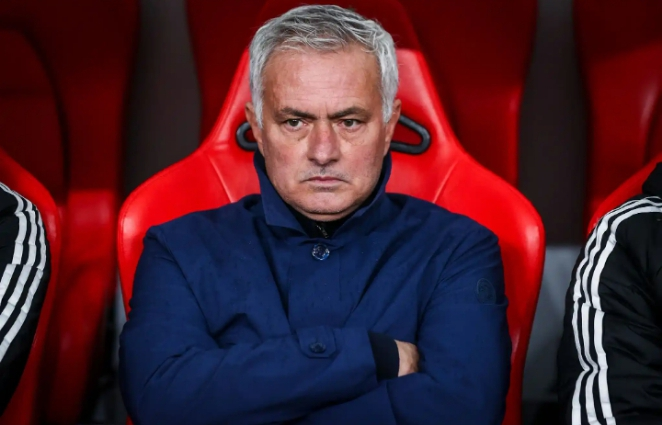
These examples highlight the emotional intensity of football celebrations, whether from managers or players. However, Klopp’s booking illustrates that rules are strict: leaving technical areas, entering the pitch, or delaying play can result in yellow cards.
Fans often debate these decisions. Some argue that punishing spontaneous joy diminishes the human element of football, while others say maintaining boundaries prevents chaos and ensures fairness.
Celebrations are also a tool for morale. Klopp’s hug with Alisson was a moment of unity, reinforcing player-manager bonds and demonstrating leadership through emotional connection during a critical Premier League victory.
Managers’ reactions vary across leagues and eras. Mourinho’s Camp Nou sprint was within regulatory limits at the time, while Klopp’s touchline approach technically breached Premier League rules, earning a formal booking.
The contrast between these reactions shows that context, league, and match rules matter. What is celebrated in one setting may be penalized in another, even if both actions are spontaneous expressions of joy.
Maradona’s pitch slide, though theatrical, took place under international football governance, which often allows more leniency for expressions of national pride or symbolic gestures during qualification matches.
High-profile celebrations, like Klopp’s booking, serve as a reminder that football is not exempt from rules, regardless of a manager’s stature. Even revered figures are accountable when leaving their designated zones.
Social media amplifies these moments, with fans dissecting the intensity, timing, and context of celebrations, fueling debates about whether referees are too strict or too lenient.
The rules exist to prevent disruption, not to stifle passion. A yellow card for a manager or player ensures games proceed safely, but it also signals the tension between human emotion and structured regulations.
Klopp’s Merseyside derby celebration is now a case study in balancing joy with compliance. While heartfelt, it underscores that technical area boundaries are enforceable and that officials have the authority to book managers.
Analysts note that celebrations serve multiple purposes: acknowledging victory, building team morale, and engaging fans. However, disciplinary rules must coexist to prevent excessive encroachment onto the field.
Mourinho’s touchline sprint, Klopp’s hug, and Maradona’s slide illustrate how celebrations can become cultural symbols while also reminding managers and players that emotional expression has limits under official regulations.
Referees face difficult decisions in high-stakes matches, balancing enforcement with the game’s spectacle. Klopp’s booking demonstrates that even the most spontaneous, joyous acts can carry consequences when rules are breached.
Fan reactions are always polarized. Supporters of managers’ expressive styles celebrate their authenticity, while critics emphasize the importance of discipline and precedent, particularly when matches involve rivalries or pivotal points.
Celebrations can also affect tactical outcomes. Entering the pitch can delay restarts or create safety issues. By booking Klopp, the referee reinforced that managers are accountable for actions affecting the flow of the game.
Historical context shows that disciplinary measures are rare but not unprecedented. High-intensity matches, like Merseyside derbies or Champions League knockout ties, increase the likelihood of such bookings due to emotional overflow.
Rules vary across competitions, but the principle remains: managers and players must respect pitch boundaries, designated zones, and referee authority, even during last-minute, game-changing victories.
Comparing Klopp, Mourinho, and Maradona demonstrates the universal challenge of balancing emotional authenticity with rule adherence.
Celebrations inspire fans but are constrained by the need to maintain order.
The broader lesson for football is clear: passion and regulation coexist. Managers like Klopp remind everyone that celebrating victories is part of the sport’s charm, but rules ensure fairness and safety.
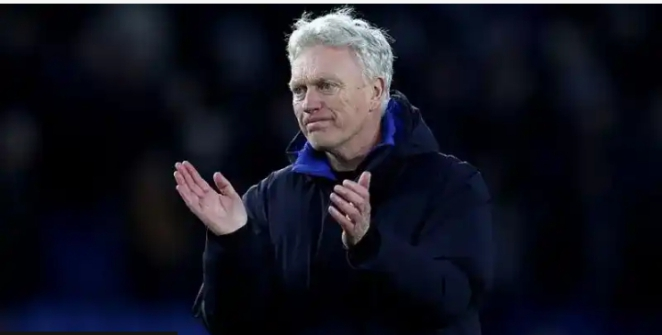
Ultimately, Klopp’s booking serves as a poignant reminder that football rules are not optional. Expressing joy is celebrated, but crossing boundaries carries consequences, reinforcing discipline in the modern game.
Read also: Chelsea 3-2 West Ham Premier League comeback stuns Stamford Bridge with late drama
About The Author