Jimmy Cliff, the legendary Jamaican singer and actor whose music helped bring reggae to global audiences, has died at the age of 81. His wife, Latifa Chambers, shared the news via Instagram.
“It’s with profound sadness that I share that my husband, Jimmy Cliff, has crossed over due to a seizure followed by pneumonia,” Chambers wrote. “He was surrounded by love and support throughout his life.”
Chambers expressed gratitude for Cliff’s fans worldwide, acknowledging the role their admiration played in sustaining his long, fruitful career in music and acting. Their children, Lilty and Aken, also signed the heartfelt message.
Cliff’s career spanned more than six decades, with timeless hits including You Can Get It If You Really Want, I Can See Clearly Now, and Wonderful World, Beautiful People.
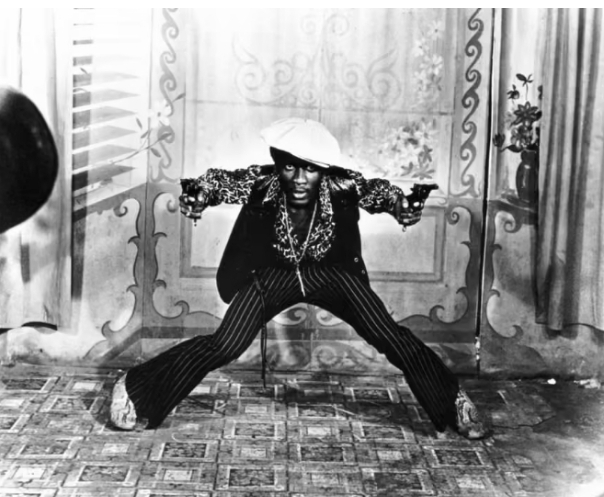
He became internationally renowned for his lead role in the 1972 Jamaican crime film The Harder They Come, which remains a cornerstone of Jamaican cinema and a defining moment for reggae globally.
His contribution to music and culture earned him the Jamaican Order of Merit, an honor shared only with a select few, including fellow reggae legend Bob Marley.
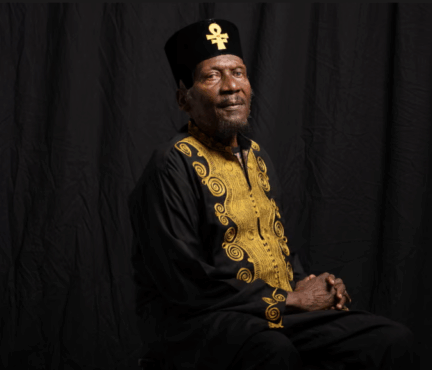
Jamaican Prime Minister Andrew Holness paid tribute to Cliff, describing him as “a true cultural giant whose music carried the heart of our nation to the world.”
Holness highlighted Cliff’s honesty and soul in his work, noting that his music uplifted people, inspired generations, and enhanced the global recognition of Jamaican culture.
Cliff was born in Saint James, Jamaica, in 1944, and his musical journey began in Kingston in the early 1960s, collaborating with producer Leslie Kong, whose family owned Beverley’s record shop.
To secure Kong’s support, Cliff wrote a song mentioning the shop, demonstrating early ingenuity and determination. This collaboration set the stage for his local hits and growing reputation.
In 1964, Cliff represented Jamaica at the World’s Fair in New York, an early sign of his emerging international presence, even before he signed with Island Records later in the decade.
Initially, he was marketed toward rock audiences, including a cover of Whiter Shade of Pale, which demonstrated his versatility but also exposed him to cultural alienation in London.
Cliff later described London as “a bitch,” recalling experiences with racism unlike anything he had faced in Jamaica, highlighting the challenges he endured as a pioneering Caribbean artist abroad.
His breakthrough UK hit came in 1969 with Wonderful World, Beautiful People, which reached number six on the charts. The song’s message of hope and unity resonated worldwide.

The lyrics, which critiqued societal corruption and hatred, established a hallmark of Cliff’s work: combining upbeat rhythms with socially conscious and reflective messages.
One notable example is his song Vietnam, which pleaded for the end of the war. Cliff recalled being surprised critics reacted to the contrast between happy music and serious subject matter.
By 1970, Cliff returned to the UK Top Ten with a cover of Cat Stevens’ Wild World, further solidifying his place in the international music scene.
In 1972, Cliff starred in The Harder They Come, after director Perry Henzell recognized his potential as an actor. The film remains a critical cultural artifact and a symbol of Jamaican resilience.
The movie’s soundtrack featured Cliff’s performances of iconic songs including The Harder They Come and You Can Get It If You Really Want, alongside hits by Desmond Dekker and Toots & the Maytals.
This soundtrack helped introduce reggae to wider audiences, particularly in the United States, where the film achieved cult status after its 1975 release.
Cliff’s personal experiences informed his acting, having lived in gangster-infested areas of Kingston, he resisted criminal life partly due to familial and moral considerations.
He continued touring and releasing albums throughout the 1970s, earning global acclaim, including appearances on high-profile platforms like Saturday Night Live in the United States.
During the mid-to-late 1970s, Cliff traveled to Africa to reconnect with his ancestral roots and converted to Islam. These experiences inspired his 1978 album Give Thankx, which reflected personal growth.
In the early 1980s, Bruce Springsteen championed Cliff’s song Trapped, including a live version on the charity album We Are the World, reaffirming his international influence and legacy.
Cliff’s 1982 Paris performance at Porte de Pantin exemplified his enduring stage presence and global popularity, captivating audiences with both energy and musical mastery.
In 1994, Cliff gained renewed fame with his cover of I Can See Clearly Now, featured in the film Cool Runnings, introducing his music to a younger generation worldwide.
The song returned Cliff to the UK Top 40 for the first time since 1970, reached number one in France, and achieved success in numerous international markets.
Over his career, Cliff collaborated with diverse artists, including the Rolling Stones, Sting, and Tim Armstrong of punk band Rancid, demonstrating his adaptability across genres.
His collaboration with Armstrong resulted in a Grammy-winning album, one of two Grammy wins from seven nominations, cementing Cliff’s status as a cross-generational musical icon.
Cliff’s final album, Refugees (2022), created in partnership with Wyclef Jean, capped a prolific discography exceeding thirty studio albums, representing his enduring creativity and relevance.
Although primarily celebrated for music, Cliff occasionally returned to acting, most notably in 1986’s Club Paradise, sharing the screen with Robin Williams and Rick Moranis.
His ability to connect with audiences through both acting and music underscored the breadth of his talent and his dedication to storytelling across mediums.
Fans and fellow musicians have flooded social media with tributes following news of his passing, acknowledging Cliff’s impact on music, film, and Jamaican culture globally.
His unique combination of vocal talent, songwriting, and cinematic presence made Cliff an unparalleled cultural ambassador for reggae and Jamaica throughout his lifetime.
Cliff’s music consistently blended infectious rhythms with messages of hope, unity, and social consciousness, influencing generations of artists across multiple musical genres.
His death marks the loss of not only a musical pioneer but also a cultural icon whose work helped define modern perceptions of Jamaican identity worldwide.
Beyond his artistry, Cliff’s legacy includes inspiring movements, bridging cultural gaps, and using music as a force for social change and global awareness.
Cliff’s life and work remain celebrated in countless retrospectives, documentaries, and scholarly studies examining the global rise of reggae and its socio-cultural impact.
Musicians around the world have cited Cliff as an influence, acknowledging his role in shaping contemporary music scenes and promoting Jamaican culture internationally.
Cliff’s storytelling ability, whether through lyrics or film, allowed audiences to connect deeply with the struggles, joys, and resilience of everyday life in Jamaica.
He will be remembered not only for his hits but also for his humanitarian influence, his pioneering spirit, and his relentless commitment to cultural authenticity and artistic integrity.
Jimmy Cliff’s legacy will endure through his music, his films, and the countless lives he inspired with his voice, his artistry, and his unwavering optimism.
About The Author