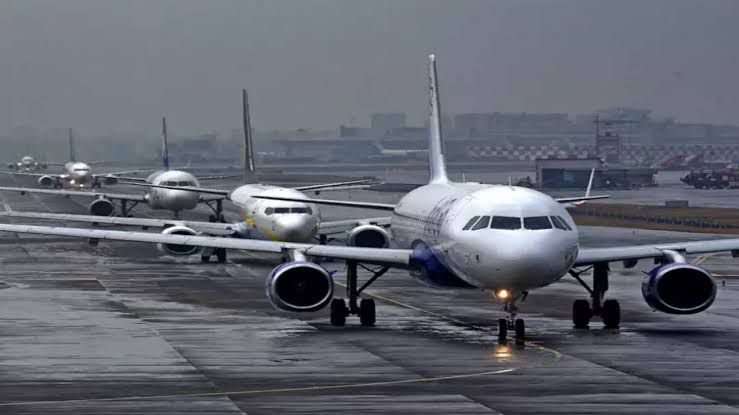
Nigeria’s aviation industry is facing fresh turbulence as the rising cost of aviation fuel threatens to push airfares higher across domestic routes. Airline operators say the sharp increase in jet fuel prices could significantly alter operating costs, potentially forcing carriers to adjust ticket prices in the coming weeks.
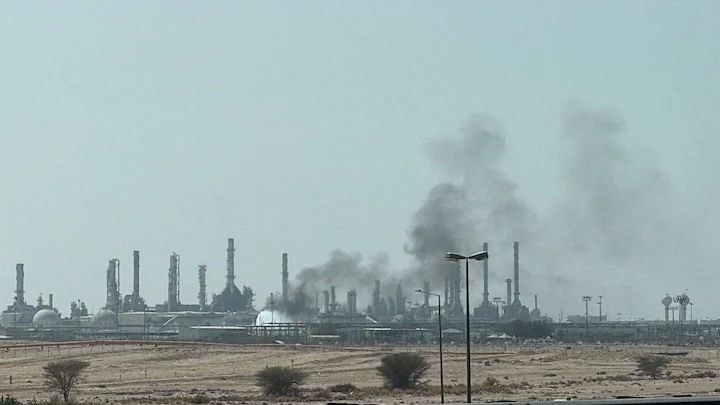
Industry stakeholders attribute the spike to global geopolitical tensions and disruptions in energy supply chains, which have pushed up the price of refined petroleum products worldwide.
With aviation fuel accounting for a large portion of airline expenses, the development has sparked concerns about the sustainability of domestic flight operations.
Airfare hike looms as jet fuel price doubles to N1800/litre
The warning that an airfare hike looms as jet fuel price doubles to N1800/litre reflects the mounting pressure on Nigeria’s aviation sector as carriers struggle to manage rising operational costs.
Recent data from airport fuel marketers show that aviation fuel, also known as Jet A1, now sells between N1,803 and N1,852 per litre at major airports including those in Lagos, Abuja and Kano.
The latest price range represents a dramatic surge compared to about N900 per litre recorded at the end of February, shortly after geopolitical tensions intensified in the Middle East involving Iran, Israel and the United States.
Industry experts say the price increase could push airlines to review ticket pricing structures as fuel costs begin to dominate operating budgets.
Fuel cost pressure on airline operations
Aviation analysts explain that jet fuel typically accounts for about 40 percent of an airline’s operational expenses. However, the current price surge could raise that share to as much as 70 percent, placing enormous pressure on carriers already dealing with multiple financial challenges.
According to aviation expert John Ojikutu, the rise in fuel costs will inevitably affect the economics of flight operations.
He explained that airlines have limited flexibility in cutting costs because many expenses such as landing fees, aircraft maintenance, insurance and navigation charges are fixed.
“When the cost of fuel rises sharply, airlines are left with very few options. Operational costs increase immediately, and eventually that pressure will be reflected in ticket prices,” he noted.
Possible airfare adjustments
Despite the growing pressure, industry insiders say airlines may attempt to avoid immediate blanket fare increases in order to retain passenger demand.
Instead, operators may adopt a tiered pricing approach that spreads the cost burden across different passenger categories.
Under such a model, premium passengers flying business or first class could face fare increases ranging from 20 percent to 30 percent, while travellers purchasing last-minute tickets may experience even higher price adjustments.
Passengers who book flights early may be shielded from the full impact of the price surge, with modest increases estimated at around 10 percent for economy-class tickets purchased in advance.
Such pricing strategies are designed to help airlines remain competitive while gradually recovering rising operational costs.
Airlines absorbing rising costs
Despite the dramatic increase in jet fuel prices, some airline operators say they are currently absorbing part of the additional costs in order to prevent a sudden shock for travellers.
Obiora Okonkwo, spokesperson for the Airline Operators of Nigeria, described the fuel price surge as “astronomical” during a recent industry discussion.
According to him, the situation has created a delicate balancing act for domestic carriers.
He explained that many airlines are operating with reduced passenger traffic following the busy December travel season, a period typically followed by a slowdown in demand.
Passenger numbers often decline by 40 to 60 percent during the early months of the year, making it more difficult for airlines to immediately transfer rising costs to customers.
“As we speak, many airlines are operating at a loss because we cannot immediately pass these costs to passengers,” he said.
Operators carrying passenger loads of 40 to 70 percent are often forced to absorb losses to keep their aircraft in service and maintain route networks.
Structural challenges facing the aviation sector
Beyond the surge in jet fuel prices, Nigeria’s aviation industry continues to face several structural challenges that affect its financial stability.
Airline operators have long complained about the high cost of financing aircraft acquisitions and operational expansion.
While international airlines often secure loans at single-digit interest rates, Nigerian carriers typically face borrowing costs of around 30 percent from local banks.
Additionally, the sector is burdened by numerous government taxes, regulatory charges and service fees that increase operational expenses.
Currency volatility also remains a major concern for operators.
Although airlines generate most of their revenue in naira, many key expenses—including aircraft leasing, spare parts procurement and maintenance services—must be paid in US dollars.
This mismatch exposes operators to foreign exchange risks that further complicate financial planning.
Calls for policy support
Industry stakeholders are now urging the government to introduce targeted measures to support local airline operators and stabilise the aviation sector.
One proposal involves facilitating an arrangement that would allow domestic airlines to access aviation fuel at more competitive prices.
Some industry leaders believe that partnerships with local refineries could help reduce reliance on imported jet fuel and cushion the impact of global price fluctuations.
Operators are also advocating for access to single-digit intervention loans that would help airlines finance operations and fleet expansion.
Such funding mechanisms, stakeholders say, could reduce financial pressure and enable airlines to maintain stable ticket pricing despite volatile fuel costs.
Outlook for air travel in Nigeria
For now, the aviation industry remains cautious as operators monitor global energy markets and geopolitical developments that could influence fuel prices.
If jet fuel prices remain elevated for an extended period, analysts believe domestic airfares may eventually rise despite airlines’ current efforts to absorb the cost shock.
As Nigeria’s aviation sector navigates these challenges, the balance between maintaining affordable air travel and ensuring airline sustainability will remain a critical issue for both operators and policymakers.
About The Author