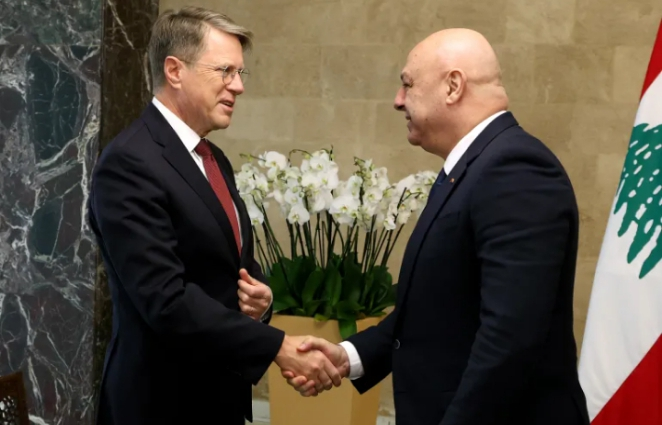
Israel’s military budget has been set at $34 billion for the upcoming year, reflecting growing defense priorities as attacks on Gaza continue and civilian casualties rise.
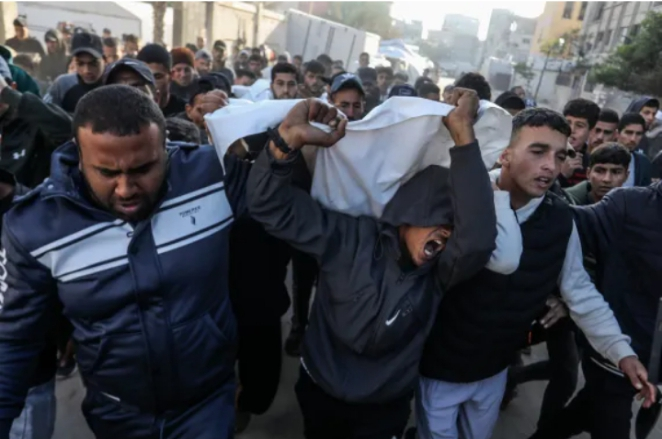
Funerals were held at Nasser Hospital in Khan Younis as families mourned six Palestinians killed in an airstrike targeting tents in the al-Mawasi area.
Despite the October 10 ceasefire, Israel carried out artillery shelling, gunfire, and helicopter strikes in eastern and northeastern Khan Younis, according to local reports from the ground.
Residents of Gaza fear that ongoing violations could escalate into full-scale conflict, increasing the already severe humanitarian crisis and raising fears among thousands of vulnerable civilians.
The $34 billion Israel military budget represents a significant increase from last year’s allocation of 90 billion shekels, with officials citing heightened security threats in Gaza and surrounding areas.
Analysts note that the Israel military budget will fund additional air defense systems, advanced surveillance technologies, and troop reinforcements, aiming to strengthen Israel’s strategic position in the region.
Since October 2023, the conflict has resulted in at least 70,125 Palestinian deaths and 171,015 injuries, while Israel recorded around 1,139 fatalities and roughly 200 captives during attacks.
Hospitals in Gaza continue to face severe shortages of medical supplies, with staff treating the injured under dangerous conditions while Israeli airstrikes and artillery fire persist.
Children and families in southern Gaza face disrupted education, destroyed homes, and limited access to food, water, and sanitation, worsening the humanitarian crisis as military operations continue.
International aid organizations warn that repeated attacks, alongside Israel’s military operations, are creating one of the most serious humanitarian crises in recent Middle Eastern history.
Khan Younis residents report constant fear, with artillery shelling, airstrikes, and gunfire causing widespread damage to homes, markets, and public infrastructure, leaving thousands displaced.
Officials argue that the Israel military budget is essential to maintain national security, protect citizens, and respond to threats from militant groups operating in Gaza.
Repeated ceasefire violations have continued since October 2023, with both sides accusing each other of provoking attacks, sustaining cycles of retaliatory strikes that further endanger civilians.
Palestinian authorities call for international intervention to protect civilians and enforce ceasefires, citing disproportionate casualties and the destruction of hospitals, schools, and homes.
Regional tensions remain high, with neighboring countries monitoring developments closely to prevent escalation that could destabilize broader Middle Eastern security.
Analysts warn that Israel’s military budget may influence regional arms dynamics, prompting neighboring states to increase defense spending in response to Israel’s expanded capabilities.
The humanitarian impact in Gaza remains severe, with limited access to electricity, water, and medical services, leaving vulnerable populations, including children and the elderly, at extreme risk.
Global organizations continue to advocate for diplomatic negotiations, ceasefire enforcement, and humanitarian access, seeking to prevent further civilian suffering while addressing the root causes of the conflict.
Observers note that Israel’s military budget prioritizes both immediate defense needs and long-term regional influence, reinforcing advanced weaponry and readiness for potential escalation.
Since October 2023, repeated Israeli airstrikes have destroyed schools, hospitals, and community centers, depriving thousands of safe spaces, educational facilities, and essential social services.
Local residents describe the bombardment as devastating, with families forced to flee homes repeatedly, and limited safe shelters leaving them vulnerable to further attacks.
The Israel military budget has become a central topic in domestic politics, with government officials defending the allocation as necessary to secure the nation amid persistent threats.
Analysts warn that without a political solution, continued military spending and operations could prolong the conflict, increase casualties, and deepen the humanitarian crisis in Gaza.
Humanitarian corridors remain limited, with civilians facing difficulties in accessing food, medical care, and safe passage due to ongoing attacks and destruction of infrastructure.
Observers note that the $34 billion Israel military budget reflects both domestic political priorities and Israel’s commitment to maintaining regional security and strategic readiness.
Local witnesses in Khan Younis report continued airstrikes and shelling, leaving residents fearful for their lives and concerned about the escalating cycle of violence.
The international community continues to call for renewed diplomacy, urgent ceasefire enforcement, and humanitarian assistance to prevent further escalation and to address widespread suffering.
About The Author