

Several Israeli military commanders have been dismissed by the military authorities and censured others after failing to prevent the Hamas-led attack on October 7, 2023. This assault claimed over 1,200 civilian lives in Israel.
Generals responsible for military intelligence, operations, and the southern command, which oversees Gaza, were formally removed from reserve duty on Monday. The dismissals mark one of Israel’s most significant security shakeups in recent years.
Military chief of staff Eyal Zamir described the army’s failure as “systemic and severe,” emphasizing that the October 7 attack exposed weaknesses across Israel’s security and intelligence infrastructure.
The attack demonstrated serious operational lapses, including inadequate surveillance of Hamas movements and insufficient readiness of troops stationed near Gaza, raising concerns about long-term national defense strategies.
The dismissed officers had previously resigned from active duty but remained in reserve roles. Their removal ensures they will no longer hold positions of military responsibility or influence in operational decisions.
The current intelligence directorate chief, who served as operations head on October 7, received a formal censure but will remain in office until 2028. Local reports indicate he plans to resign voluntarily before the end of his term.
Other officers were issued formal reprimands. One officer was informed their service would end immediately, while another tendered a resignation, reflecting the military’s attempt to enforce accountability at multiple levels.
The Israeli air force and navy chiefs were also censured, reportedly due to failures in defending against Hamas drones and paragliders, which played a key role in the October 7 assault on southern communities.
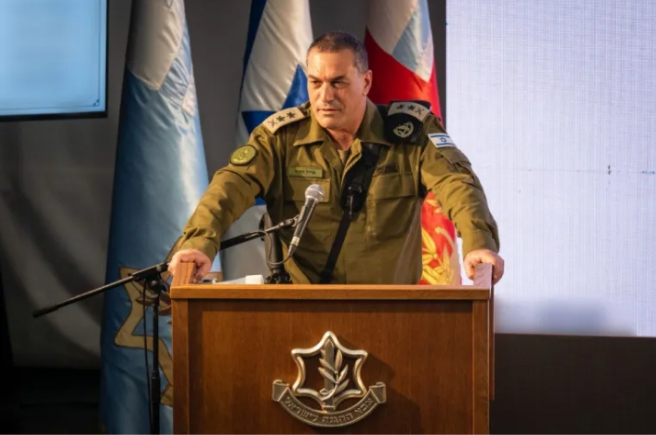
Zamir emphasized that the army must learn lessons from the attack to prevent similar breaches in the future. He called the events of October 7 a “resounding failure” that revealed significant gaps in operational readiness and coordination.
Public outrage over the attack has intensified. Thousands of protesters gathered in Tel Aviv, joined by opposition leaders, demanding a state commission of inquiry to investigate the failures that allowed Hamas to launch its assault.
Prime Minister Benjamin Netanyahu has so far resisted opening an in-depth investigation, drawing criticism from both the public and political opponents. His government maintains that military dismissals demonstrate sufficient accountability.
The October 7 attack involved coordinated Hamas assaults, including ground infiltrations, drone strikes, and rocket barrages, catching Israeli forces off guard and leading to mass civilian casualties.
Approximately 250 people were taken captive during the attack, further heightening public anger and highlighting lapses in intelligence and border security along the Gaza frontier.
In response, Israel launched an extensive two-year ground and air campaign in Gaza, causing widespread destruction and leaving local authorities reporting more than 69,000 casualties, including women and children.
The Gaza conflict intensified humanitarian concerns, with hospitals overwhelmed, critical infrastructure destroyed, and food and medical supplies severely restricted, leading to international calls for aid and conflict resolution.
Although a US-brokered ceasefire agreement was signed last month, its implementation has been limited. Israel continues daily operations in Gaza, accusing Hamas of violating the ceasefire while Gaza authorities report continued attacks.
Mediators from Qatar, Turkey, Egypt, and the United States have been urged to press Israel to halt actions that violate the ceasefire. The ongoing conflict raises concerns about long-term stability and civilian protection.

The military dismissals reflect rare accountability in Israel, traditionally resistant to internal criticism. Analysts say the public and international pressure has forced the leadership to confront its operational failures.
Critics argue that removing officers alone is insufficient. They call for a comprehensive review of Israel’s intelligence-gathering, early warning systems, and troop readiness to prevent future disasters.
The October 7 attack also exposed gaps in coordination between Israel’s intelligence agencies. Analysts note that failures to share information across branches may have contributed to the surprise Hamas assault.
Zamir’s statement highlighted the importance of systemic improvements, urging lessons from the attack to guide future military strategy, emphasizing that Israel must anticipate unconventional warfare tactics.
International responses to the crisis have been mixed. While Western allies reaffirm Israel’s right to self-defense, human rights organizations have condemned the disproportionate military retaliation in Gaza.
The humanitarian situation in Gaza remains dire, with thousands displaced and basic services disrupted. International agencies have called for urgent measures to provide food, water, and medical care.
The military shakeup coincides with political pressure on Netanyahu. Opposition parties argue that the government’s lack of a formal inquiry undermines transparency and accountability in national security affairs.
Israel’s southern communities continue to experience heightened security measures, including reinforced border defenses and surveillance, reflecting ongoing fears of further attacks or infiltration attempts by armed groups.
The October 7 attack is now a reference point for Israel’s military planning, signaling that the army must adapt to asymmetric threats and incorporate lessons from the conflict into doctrine and training.
Civilians in Israel have expressed frustration over perceived government failures. The loss of life, coupled with the capture of hundreds, has fueled protests and a sense of urgency for reforms in the defense sector.
Zamir’s warnings underscore that operational readiness is not just a matter of equipment or numbers but requires accurate intelligence, coordination, and proactive planning to safeguard civilians.
Analysts highlight that Hamas’s success on October 7 relied on careful planning, surprise tactics, and exploitation of intelligence gaps, demonstrating that Israel faces evolving security threats that require adaptive strategies.
The military leadership reshuffle aims to restore public confidence. However, questions remain about the long-term effectiveness of personnel changes without broader structural reforms in Israel’s defense establishment.
Regional implications are significant. Gaza’s devastation, coupled with repeated ceasefire violations, has drawn international scrutiny and may influence diplomatic relations, humanitarian aid, and security cooperation across the Middle East.
The dismissals also reflect a broader trend toward accountability in military leadership worldwide, emphasizing that operational failures with civilian consequences demand tangible consequences at the highest levels.
While Netanyahu has resisted a full inquiry, the dismissals send a message that failures at the top are not immune from scrutiny, potentially setting a precedent for future incidents in Israel’s national security framework.
Observers argue that the October 7 attack could reshape Israel’s strategic doctrine, focusing on preemptive intelligence, rapid response units, and cross-agency cooperation to counter asymmetric threats effectively.
The conflict continues to affect daily life in Gaza and southern Israel, with civilians on both sides experiencing ongoing insecurity, trauma, and disruption of essential services, highlighting the human cost of military failures.
Military analysts note that the lessons from October 7 may inform future military procurement, technology upgrades, and border defense systems to strengthen Israel’s ability to prevent similar attacks.
The army’s internal review will likely influence promotions, training, and operational policies, aiming to ensure that officers are better prepared to respond to unconventional threats and protect civilian populations.
Public and international scrutiny will persist as Israel navigates the consequences of October 7, balancing military accountability with broader political and humanitarian considerations in an unstable region.
The incident underscores the evolving nature of warfare, where intelligence failures and operational lapses can result in significant civilian casualties, altering public perception and international credibility.
Israel faces the dual challenge of rebuilding public trust and adapting military strategies. Lessons from the October 7 attack are critical to ensuring national security and preventing future tragedies.
The military’s actions, including dismissals and censures, are the first visible steps in addressing accountability. Analysts stress that sustainable reforms require long-term structural changes and rigorous evaluation of intelligence capabilities.
Zamir concluded that the army’s experience on October 7 should serve as a compass for future operations. He emphasized that protecting civilians remains the highest priority for Israel’s defense apparatus.

The October 7 attack and its aftermath will likely influence military planning, political debates, and international relations for years, shaping Israel’s response to asymmetric threats and its engagement with Gaza.


