

US authorities have arrested Iranian-linked family members living in Los Angeles over alleged extremist ties. The individuals are connected to Iran and remain under federal custody amid growing security concerns.
Officials confirmed that US Immigration and Customs Enforcement carried out the arrests, targeting individuals with links to Iran’s military and political networks. Authorities stated that national security concerns motivated the operation.
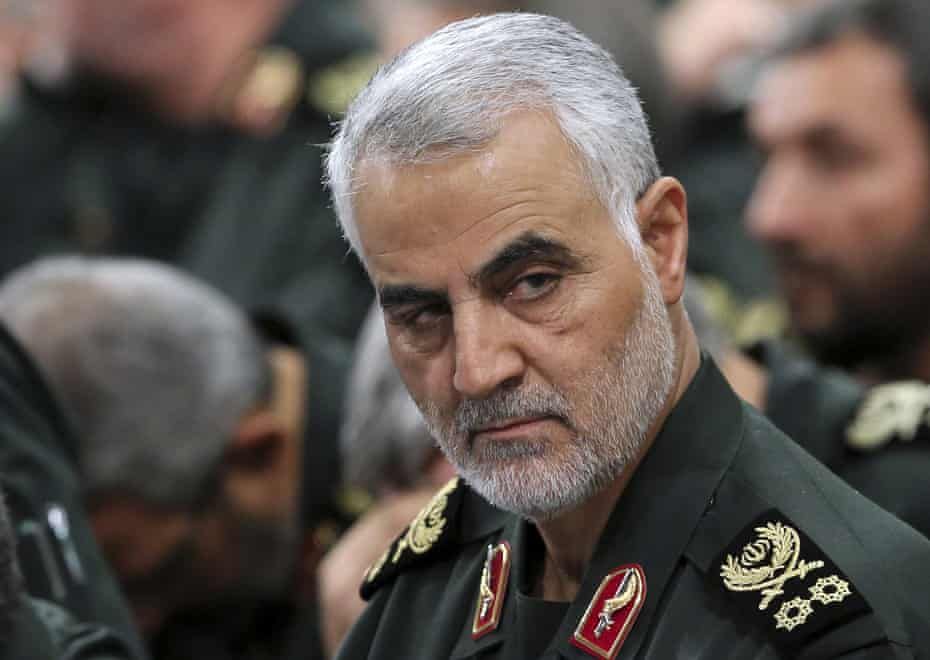
The detained individuals are relatives of Qassem Soleimani, the late Iranian military commander killed in a US drone strike in 2020. His influence remains significant in Iran and regional conflicts today.
US Secretary of State Marco Rubio confirmed the arrests and the revocation of permanent residency for the mother-daughter pair. He emphasized that the individuals are pending removal from the United States.
Authorities allege that the individuals expressed support for attacks on US military personnel. Public statements and social media activity reportedly demonstrated alignment with Iran’s leadership and the Islamic Revolutionary Guard Corps.
Hamideh Soleimani Afshar and her daughter were residing in Los Angeles at the time of the arrests. Officials highlighted the contrast between their affluent lifestyle and their alleged extremist ideological support.
The government claims the detainees openly celebrated military actions against US forces while maintaining a comfortable life in California. Authorities argue such conduct demonstrates a national security risk and justifies removal.
These arrests align with broader policies under the Trump administration restricting residency for individuals with connections to foreign adversaries. National security and immigration enforcement remain closely intertwined in these cases.
The arrests also included entry restrictions for other relatives of the detainees. US authorities have moved to prevent additional family members associated with hostile regimes from living or remaining in the country.
The development comes amid heightened US-Iran tensions and military operations. Analysts note that measures targeting family members of high-profile figures serve as deterrents to potential support networks within the United States.
Qassem Soleimani commanded the Quds Force, Iran’s elite branch responsible for extraterritorial military operations. His leadership and strategic planning made him a significant figure targeted by US forces.
Soleimani’s death in Baghdad during a US drone strike in 2020 escalated US-Iran tensions. His influence in the region continues to shape geopolitical strategies and American foreign policy decisions.
Officials allege that Soleimani Afshar praised Iran’s new leadership after his death. They claim she supported attacks on American personnel and endorsed policies of the Iranian Revolutionary Guard Corps.
Analysts suggest targeting relatives of high-profile figures is a preventive security measure. While the individuals may not have direct involvement in attacks, their symbolic and familial ties pose perceived threats.
Previous similar measures include revoking legal status for Fatemeh Ardeshir-Larijani and her husband. These moves reflect a consistent strategy to prevent residence or influence of individuals aligned with Iranian leadership.
Authorities emphasize that the detainees are being processed according to legal procedures. Removal proceedings will determine their status, reflecting both national security concerns and compliance with immigration law.
The arrests underscore the intersection of immigration enforcement and foreign policy. By acting against individuals with ties to Iran, US authorities demonstrate a commitment to protecting national security.
These developments occur against the backdrop of ongoing US-Iran conflict. Military and political actions in the region continue to influence decisions regarding foreign nationals with potential extremist connections.
Soleimani’s legacy, particularly his leadership of the Quds Force, ensures that his family remains under scrutiny. US officials argue that family ties can represent a security vulnerability.
The arrests in Los Angeles send a message to other foreign nationals. Authorities are signaling that alignment with hostile regimes will result in revocation of residency and possible removal.
Legal experts note that public statements and social media activity are increasingly used as evidence in security-related immigration enforcement. Ideological support for foreign adversaries is considered a national risk.
In addition to removal, authorities have restricted entry for associated family members. These measures aim to prevent the establishment of potential networks supporting hostile activities on US soil.
Analysts believe the arrests may have diplomatic consequences. Targeting relatives of high-profile figures could further strain US-Iran relations and influence ongoing negotiations or military strategies.
Observers say the case highlights the consequences of US-Iran tensions. Individuals living in the US with foreign connections may face enforcement actions, particularly when national security is perceived to be at risk.
The Los Angeles arrests reflect the broader geopolitical landscape. High-profile military operations, such as Soleimani’s killing, continue to influence domestic enforcement and policy decisions in the United States.
Authorities maintain that legal processes will guide the outcome for the detainees. They stress that national security considerations justify the revocation of permanent residency and pending deportation.
The situation illustrates the delicate balance between civil liberties and security priorities. US authorities aim to prevent foreign influence while adhering to due process and legal frameworks.
The US arrests of Iranian-linked family members living in Los Angeles remain under close media and analyst attention. The case represents the intersection of immigration, national security, and foreign policy.
US authorities continue to monitor related family networks and other individuals connected to Iran. Enforcement measures will likely remain active as long as national security risks persist.
The arrests highlight how ideological alignment with foreign adversaries can affect residency. Authorities argue that this alignment, even without direct action, can justify legal enforcement measures.
Read also: French, Japanese vessels pass through Strait of Hormuz amid Iran war
These developments reinforce the ongoing consequences of Soleimani’s legacy. His family remains influential symbolically, and US authorities are treating potential threats seriously to safeguard American interests.
The enforcement action also illustrates the US approach to foreign-linked individuals in urban centers. Los Angeles, with its diverse population, has become a focal point for security and immigration enforcement.
US arrests Iranian-linked family members living in Los Angeles over alleged extremist ties continue to draw attention for their broader implications. The case highlights national security, immigration, and US-Iran conflict dynamics.
About The Author
