Iran signals quick trials and executions for protesters following weeks of intense anti-government demonstrations that have shaken the country and drawn global attention.
The announcement by Iran’s judiciary has raised alarm among human rights groups and foreign governments, who fear a return to mass executions as a tool to silence dissent.
The warning came after Iran’s chief justice publicly stated that detained protesters would face rapid judicial proceedings, suggesting that delayed punishment would reduce its deterrent effect.
His comments were widely interpreted as confirmation that executions could begin immediately, despite mounting international appeals for restraint.
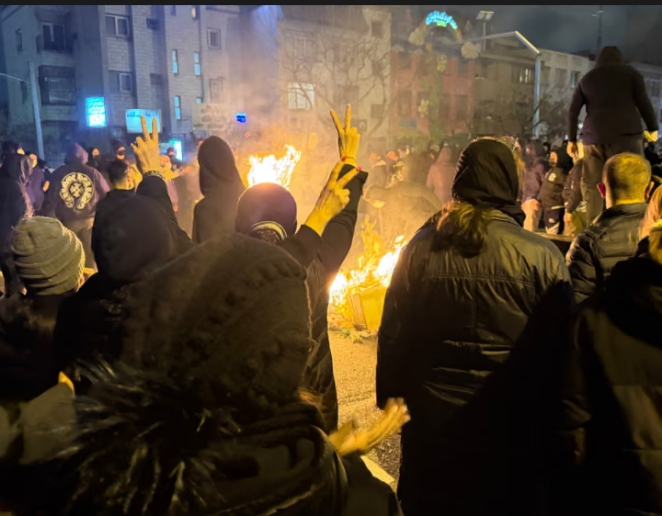
The protests, which erupted across major cities including Tehran, Karaj, Isfahan and Shiraz, have been met with an aggressive security response.
According to rights monitors, thousands of demonstrators have been arrested while security forces have used live ammunition, mass detentions and internet blackouts to suppress unrest.
The scale of the crackdown has made the current unrest one of the deadliest periods of internal unrest in Iran in decades.
International concern intensified following reports that a 26-year-old protester, Erfan Soltani, had been sentenced to death.
His case has become a focal point for human rights organisations, which warn that Iranian authorities may be preparing to carry out executions at speed and with limited legal transparency.
Family members and activists have appealed for urgent intervention, fearing that death sentences could be carried out without warning.
The United States has reacted strongly to the developments. President Donald Trump publicly warned that Washington would take “very strong action” if Iran proceeded with executing protesters.
His remarks came amid reports that US officials were closely monitoring the situation and assessing possible responses should the Iranian government escalate further.
Trump also issued messages expressing support for Iranian protesters, urging them to continue resisting what he described as state repression.
These statements were welcomed by some demonstrators but also raised concerns among analysts that US involvement could be used by Tehran to justify harsher measures under the pretext of foreign interference.
Despite the warnings, Iranian authorities appear determined to press ahead. State officials have accused external powers of attempting to destabilise the country and have dismissed international criticism as politically motivated.
Iran’s UN mission has reiterated that the country will not accept what it views as threats or intimidation from Washington.
Regional governments have reportedly urged caution, warning that direct US intervention could spark a wider conflict across the Middle East.
Diplomats from neighbouring countries fear that any escalation could have serious consequences for regional stability, energy markets and the global economy, particularly if Iran or its allies respond militarily.
Inside Iran, the human toll continues to rise. Human rights groups estimate that more than 2,500 people have been killed since the protests began, with tens of thousands arrested.
Hospitals have reportedly been overwhelmed with injured protesters, while families struggle to obtain information about detained relatives amid widespread communication restrictions.
Authorities have insisted that order has largely been restored, pointing to increased security patrols and the presence of armed forces in major urban areas.
However, residents report an atmosphere of fear, with schools closed in some areas and heavy security deployments at major intersections. Many Iranians say they remain afraid to leave their homes or speak openly.
Human rights organisations have strongly condemned the prospect of rapid trials, arguing that such proceedings often lack due process and rely on coerced confessions.
Reports from former detainees suggest that some televised confessions aired by state media were extracted under duress, raising concerns that death sentences could be based on unreliable evidence.
Iran has one of the highest execution rates in the world, and last year alone hundreds of people were put to death, according to international monitoring groups.
Critics say the current situation risks a dramatic surge in executions aimed at deterring further protests and reasserting state control.
Meanwhile, communication blackouts have begun to ease in parts of the country, allowing limited contact with the outside world for the first time in days. Activists say this has helped expose the scale of the crackdown, though access remains heavily restricted and closely monitored by authorities.
Read also: PMQs Live: Starmer under fire over digital ID U-turn
The situation remains volatile as international pressure grows and uncertainty surrounds the fate of detained protesters.
While Iran’s leadership insists it will not bow to foreign threats, the warnings from Washington and appeals from human rights groups have placed the country under intense global scrutiny.
As tensions escalate, the coming days are expected to be critical. Whether Iran proceeds with executions or pauses under international pressure could shape not only the future of the protest movement but also broader relations between Tehran and the West.
About The Author