Nigeria’s Tax Reforms spark resistance as committee chair Taiwo Oyedele reveals threats, public mistrust, and obstacles confronting fiscal transformation.
Nigeria’s ambitious drive to overhaul its fiscal system has entered a tense and controversial phase, following revelations by Taiwo Oyedele, Chairman of the Presidential Committee on Fiscal Policy and Tax Reforms, that he has been subjected to threats linked to his role in pushing sweeping changes to the nation’s tax framework.
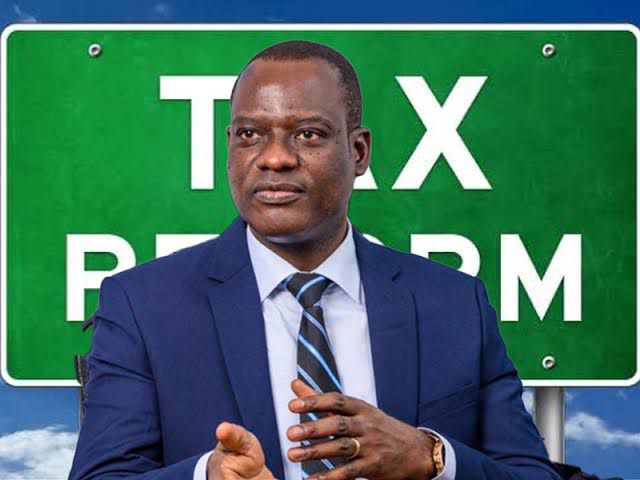
His disclosure has drawn attention to the human cost of policy reform and the resistance that often accompanies structural change in governance.
Oyedele made the revelation during a public engagement in Abuja on Tuesday, January 13, where he spoke candidly about the personal risks attached to leading sensitive economic reforms.
According to him, efforts to modernise Nigeria’s revenue system have not been without consequences, as vested interests fight to preserve long-standing privileges embedded in the old order.
He described Tax Reforms as one of the most challenging areas of public policy, noting that taxation touches every sector of society and exposes inefficiencies that many powerful actors would rather leave untouched.
Oyedele stressed that the threats he has received are a reflection of how deeply broken systems resist change when reform begins to affect entrenched benefits.
“Reforms are never easy, but tax reforms are even harder,” he said during his address.
“They demand courage and resilience. I receive threats simply because we are attempting to repair a system that has failed the country for decades.”
Beyond personal safety concerns, Oyedele highlighted broader structural obstacles confronting the reform process.
One of the most significant challenges, he explained, is the deep mistrust many Nigerians have toward government institutions.
This mistrust, he argued, has weakened citizens’ willingness to comply with tax obligations, as many people remain unconvinced that public funds are used transparently or efficiently.
He also pointed to Nigeria’s poor tax compliance culture as a major barrier.
According to him, a large segment of the economy operates outside the formal tax net, while others deliberately evade obligations due to weak enforcement mechanisms and historical inefficiencies in revenue administration.
Without addressing these issues, Oyedele warned, meaningful Tax Reforms would remain difficult to sustain.
Another challenge he identified is the limited understanding of fiscal exchange among citizens.
Many taxpayers, he said, do not clearly see the link between taxes paid and the public services they receive.
This disconnect has fuelled resistance, misinformation, and in some cases outright hostility toward reform initiatives aimed at improving revenue collection and accountability.
Despite these challenges, the Federal Government has proceeded with the implementation of a new tax regime, signalling its determination to reshape Nigeria’s fiscal future.
On January 1, 2026, the government officially commenced enforcement of four major tax-related legislations designed to simplify administration, improve efficiency, and strengthen oversight across federal and sub-national levels.
The new legal framework includes the Nigeria Tax Act 2025, which consolidates and modernises existing tax laws; the Nigeria Tax Administration Act 2025, aimed at streamlining tax processes and compliance; the Nigeria Revenue Service Establishment Act 2025, which restructures revenue administration institutions; and the Joint Revenue Board Establishment Act 2025, designed to enhance coordination among tax authorities.
Supporters of the reforms argue that these laws represent a turning point for Nigeria’s economic sustainability.
They believe the changes will reduce dependence on oil revenues, broaden the tax base, and create a more transparent and predictable system that benefits both government and taxpayers.
However, critics remain sceptical, warning that without improved governance and service delivery, public trust may continue to erode.
Oyedele acknowledged these concerns, emphasising that Tax Reforms alone cannot fix all fiscal problems.
He noted that reform must go hand in hand with accountability, visible public service improvements, and consistent communication with citizens.
According to him, rebuilding trust is as important as changing laws.
As Nigeria navigates this complex reform journey, the threats faced by reform leaders underscore the political and social risks attached to economic transformation.
Oyedele’s experience highlights the reality that policy change often extends beyond technical frameworks, touching deeply on power structures, public perception, and personal sacrifice.
Ultimately, the success or failure of Nigeria’s Tax Reforms will depend not only on legislation but also on the collective willingness of government, businesses, and citizens to embrace a new fiscal culture rooted in fairness, transparency, and shared responsibility.
Ireport247news
About The Author