

Iran seeks to avert US military action as its foreign minister, Abbas Araghchi, prepares to travel to Ankara for critical talks aimed at preventing a potentially catastrophic conflict.
Turkish diplomats are pushing Tehran to consider concessions over its nuclear programme in order to reduce the threat of escalation. “It might seem humiliating for them.
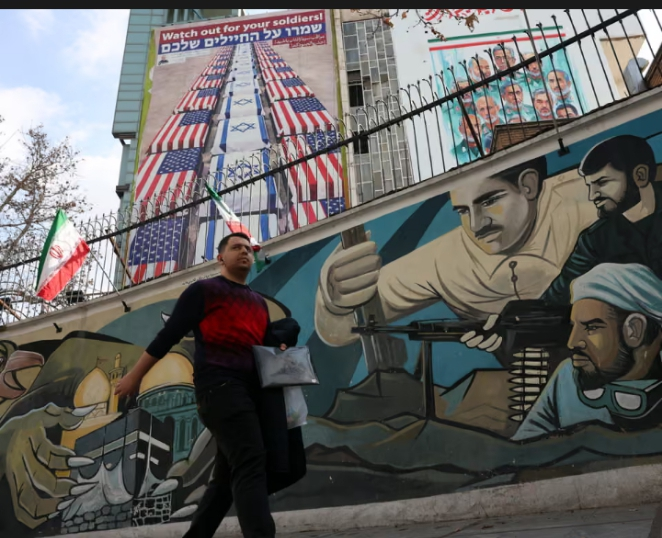
It will be very difficult to explain not only to themselves but to the leadership. So if we can make things better tolerated I think it will help,” said Turkey’s foreign minister, Hakan Fidan, highlighting the complexity and sensitivity of the negotiations.
Turkey’s president, Recep Tayyip Erdoğan, has suggested a video conference between Donald Trump and Iran’s Masoud Pezeshkian, a measure that may appeal to the US leader’s dramatic style but is likely uncomfortable for Iranian officials who prioritize careful diplomacy.
Direct US-Iran talks have not occurred formally in more than a decade, making this proposal an unprecedented step in tense bilateral relations.
Diplomats in Ankara are emphasizing that Iran must make visible concessions while preserving national dignity and domestic stability.
Araghchi’s visit comes amid escalating threats and strategic maneuvering. Trump has repeatedly warned Iran that the window for diplomacy is closing, linking potential military strikes to both the protection of domestic protesters and the country’s nuclear programme.
He stated that any US intervention would be “violent and far more extensive than previous operations,” signaling the seriousness of possible military action.
Iran has remained defiant, with army chief Maj Gen Amir Hatami claiming that since the 12-day war in June, Iran has rebuilt its military capabilities, including 1,000 sea- and land-based drones and a reinforced ballistic missile arsenal capable of delivering a significant response to attacks.
US secretary of state Marco Rubio noted the vulnerability of American forces, stating that about 30,000 personnel are “within the reach of an array of thousands of Iranian one-way UAVs and Iranian short-range ballistic missiles,” underlining the high stakes of potential confrontation.
A senior Iranian official said the country is “preparing itself for a military confrontation, while at the same time making use of diplomatic channels,” signaling that Tehran is pursuing a dual strategy of readiness and negotiation.
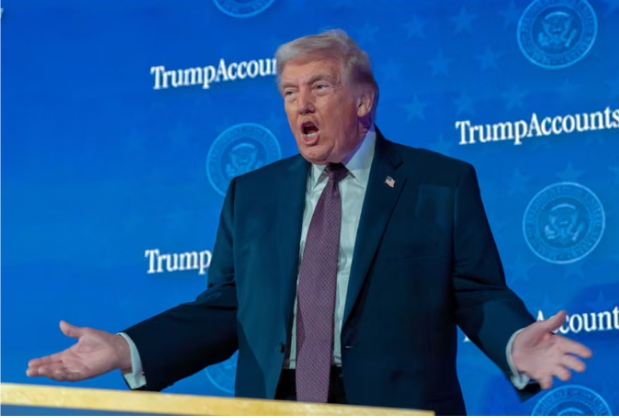
The regional context heightens pressure on Iran. Senior defense and intelligence officials from Israel and Saudi Arabia have met in Washington this week, reflecting deep concern over potential escalation.
The Kremlin has also urged restraint, emphasizing that diplomatic solutions are still possible despite rising tensions. Turkey has positioned itself as a key mediator, using its ties with both the United States and Iran to reduce the likelihood of a broader conflict.
Inside Iran, domestic divisions complicate decision-making. Citizens are split between those demanding defiance against US threats and others advocating compromise to prevent further suffering.
President Masoud Pezeshkian has publicly recognized the anger over casualties from domestic protests, promising a full list of those killed in the government crackdown.
Despite these assurances, deep public mistrust and the influence of powerful security agencies make it doubtful that the Iranian government can convince citizens or international observers that the death toll is lower than feared.
The US administration has laid out stringent demands for Iran, including the transfer of highly enriched uranium to a third party, cessation of domestic uranium enrichment, restrictions on Iran’s missile programme, and ending support for proxy groups.
Each demand presents a political and symbolic challenge for Tehran, requiring careful navigation to avoid domestic backlash while protecting national interests.
Trump’s objectives remain ambiguous, oscillating between defending protesters and targeting Iran’s nuclear programme, suggesting he may be seeking regime change or a resignation from Supreme Leader Ayatollah Ali Khamenei.
The US leader claimed that Iran’s nuclear programme had been destroyed during the June conflict, though intelligence agencies later produced conflicting assessments of the campaign’s impact.
Rubio, speaking to Congress, warned that changing Iran’s government would be extremely complex: “You’re talking about a regime that’s been in place for a very long time. So that’s going to require a lot of careful thinking, if that eventuality ever presents itself.”
Iranian political figures are increasingly vocal in criticizing the regime’s handling of unrest.
Former prime minister Mir Hossein Mousavi called for leadership to step aside, advocating for a constitutional referendum based on non-interference from foreign powers, rejection of domestic tyranny, and the pursuit of a peaceful democratic transition.
These calls reflect mounting frustration among citizens, even as national security and internal divisions limit the government’s flexibility.
Erdoğan has sought direct engagement with Trump to identify common ground and prevent premature military escalation.
The Turkish president emphasizes diplomacy and regional stability while signaling to Iran the importance of compromise.
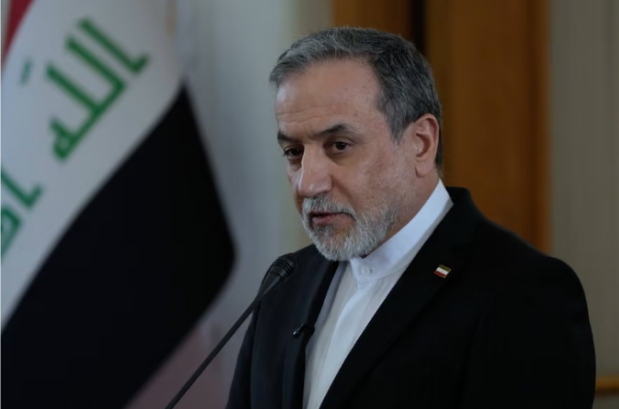
Iranian foreign ministry spokesperson Esmail Baghaei announced Araghchi’s official visit to Turkey, emphasizing that “the Islamic Republic of Iran is determined to steadily strengthen relations with its neighbours based on the policy of good neighbourliness and shared interests.” This highlights Iran’s willingness to explore diplomacy while retaining strategic leverage.
Fidan has stressed that Iran must manage its regional image carefully, stating: “They need to create trust in the region [and] they need to pay attention how they are perceived by the regional countries.”
Gulf states, cautious of retaliation, have largely refused to allow their territories or airspace to be used for strikes against Iran, illustrating the intricate network of regional alliances and security concerns influencing the crisis.
As negotiations unfold in Ankara, both sides confront the possibility of severe consequences if diplomacy fails.
Iran seeks to avert US military action through strategic concessions and regional engagement while projecting military strength to deter attack. The stakes are high, encompassing regional stability, international security, and domestic legitimacy.
Iran’s leadership faces the dual challenge of negotiating meaningful concessions while satisfying domestic audiences demanding resilience.
The coming days are likely pivotal, as international mediation intensifies and the risk of direct conflict remains significant. Historical tensions, internal political divisions, and complex regional dynamics make this a particularly critical moment in US-Iran relations.
Araghchi’s mission to Ankara may determine whether Iran can prevent escalation without sacrificing strategic priorities.
The diplomatic efforts demonstrate that, despite threats and military posturing, avenues for dialogue remain open. Both Ankara and Tehran recognize the severe risks of miscalculation, and the talks may offer a narrow window to avoid a conflict that could engulf the region.
The outcome of these negotiations will shape Iran’s international standing and influence regional geopolitics. For the United States, Iran seeks to avert military action with a careful combination of diplomacy and deterrence, highlighting the consequences of escalation while signaling a willingness to engage constructively.
Global observers are closely watching, as diplomacy in Ankara may provide a lifeline in a crisis fraught with danger, uncertainty, and high stakes.
Read also: Russian cargo ship near UK undersea cables sparks Bristol Channel security alert, shadow fleet chased away by Royal Navy
Iran seeks to avert US military action,Abbas Araghchi, nuclear programme, Donald Trump, Ankara talks
About The Author


