

The Iran protest crackdown has been brought into sharp focus after newly released photographs and survivor testimonies revealed the scale of violence used against anti-government demonstrators during the January 2026 uprising.
Despite a near-total internet blackout imposed by authorities, visual evidence and personal accounts have emerged from cities including Tehran and Isfahan, offering rare insight into one of the deadliest episodes in recent Iranian history.
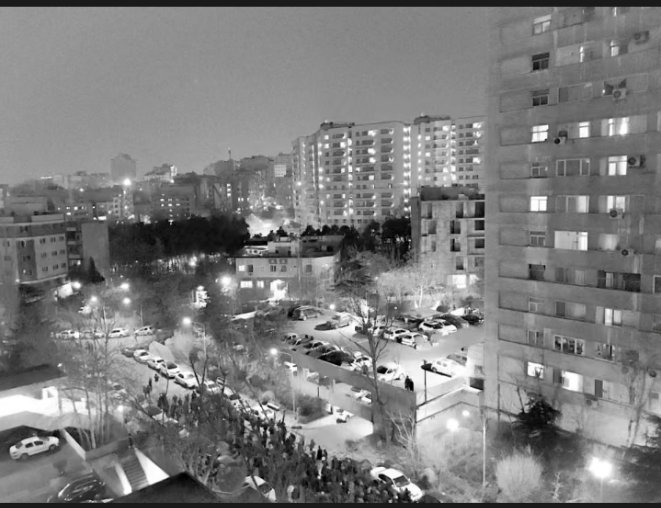
The material, gathered and verified by journalists, shows how security forces responded to widespread protests with overwhelming force, as thousands of people from different age groups flooded the streets demanding political change. Witnesses say the response from the state was swift, coordinated and uncompromising.
A nation silenced, but not erased
When demonstrations erupted in early January, authorities moved quickly to restrict access to the internet and messaging platforms. The blackout aimed to prevent images and information from leaving the country.
However, photographers and citizens on the ground managed to document events and later share them through secure channels.
One Tehran resident in his early twenties described how entire neighbourhoods mobilised. “Everyone was outside,” he said. “Old people, children, families. It felt like fear had disappeared.” According to his account, crowds initially faced tear gas and warning shots before the situation escalated.
Photos taken after dark show streets filled with demonstrators chanting anti-government slogans, while security forces formed lines across main roads. In later images, burned vehicles and blocked streets indicate how protesters briefly took control of certain areas before being pushed back.
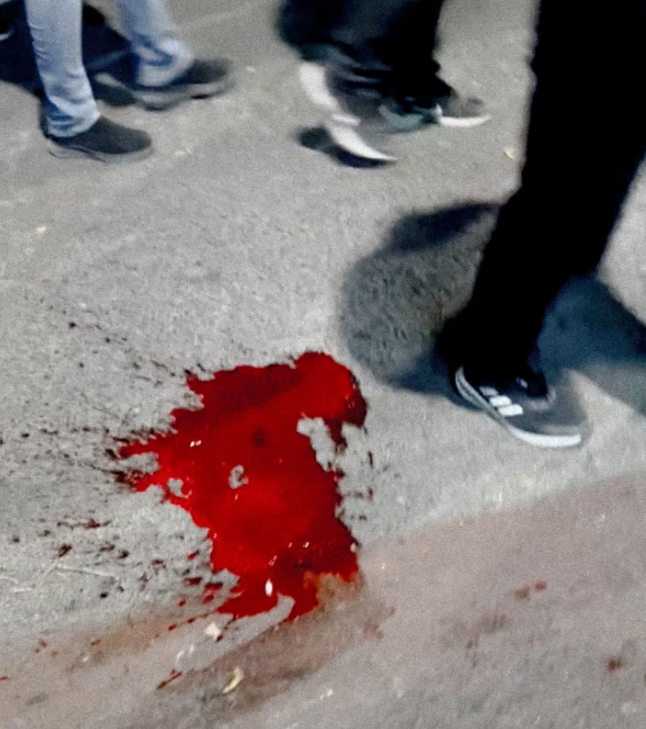
By the second night, eyewitnesses say live ammunition and metal pellets were being used in multiple districts. A young woman from Isfahan recalled being trapped as officers moved in from several directions. “I heard someone shout to hit us,” she said. “People were falling, running, screaming. I thought I would not make it out.”
She was pulled to safety by other protesters, an act she described as “pure instinct and solidarity.” Her account reflects a recurring theme across testimonies: despite the danger, many protesters helped strangers escape or find shelter.
Other residents reported hearing gunfire late into the night, even in areas far from central squares. Families who did not join demonstrations reportedly drove slowly through neighbourhoods, honking their horns in support, unintentionally creating traffic that slowed security movements.
One of the most striking aspects of the January uprising was the presence of families. Witnesses consistently described parents walking with children, teenagers marching alongside mothers, and elderly residents joining chants from doorways.
A 30-year-old woman from Isfahan said she was shocked by what she saw. “People know how violently this government reacts,” she explained. “Yet families still came out together. That told me something had changed.”
Images from residential streets show groups of protesters gathering far from traditional protest zones, suggesting a decentralised movement that caught authorities off guard.
Former insiders quoted by witnesses claimed security forces themselves were surprised by the scale and persistence of the crowds.
Killings, arrests and lasting impact
As the crackdown intensified, reports of deaths and mass arrests began circulating quietly. Witnesses described seeing wounded protesters left without assistance and others taken away by security forces.
Due to fear of reprisals, families often avoided public mourning, while burials were conducted quickly and discreetly.
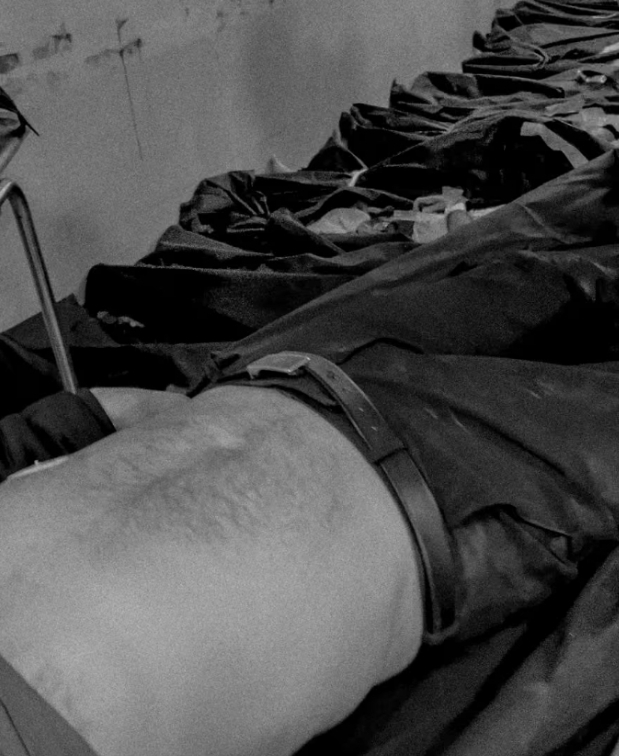
One middle-aged man from Tehran recounted visiting medical facilities searching for a relative. “There was no space,” he said. “Bodies were everywhere. I will never forget that sight.” While exact figures remain disputed, human rights groups believe the death toll runs into the thousands.
Beyond those killed, many survivors were left with lasting injuries or psychological trauma. Others simply disappeared after being taken from their homes in the days following the protests. “We talk about the dead,” one witness said, “but there are many living with injuries, fear and unanswered questions.”
Several protesters referenced messages circulating online from opposition figures, including Reza Pahlavi, whose calls for nationwide demonstrations were widely shared before the blackout.
While the movement had no single leader on the ground, witnesses say shared slogans and timing helped unify disparate groups.
Chants heard across cities suggested a growing willingness to openly challenge the political system, a shift some observers say marks a significant moment in Iran’s protest history.
The photographs accompanying the testimonies serve as visual confirmation of what survivors describe. Though often grainy or taken from a distance to avoid identification, they capture crowds filling streets, smoke rising from fires, and the tense standoffs between protesters and armed forces.
One image shows a deserted street at dawn, marked by debris and smoke, symbolising the aftermath of a night of unrest. Another captures mourners gathered quietly at a cemetery, reflecting the grief that followed.
Journalists involved in the investigation say verifying the material took weeks, involving cross-checks with locations, timestamps and multiple witnesses. The result is a rare documentation of events that authorities have sought to conceal.
Human rights organisations say the evidence raises serious questions about the use of force and accountability. Calls have renewed for independent investigations and international pressure, though past experience suggests meaningful action may be slow.
For those who lived through the crackdown, the goal is simpler. “We want the world to know what happened,” one survivor said. “Silence is what they wanted. These photos mean we are not erased.”
As Iran continues to restrict information and suppress dissent, the stories and images that escape offer a powerful reminder of the human cost behind political unrest. The January 2026 uprising may have been crushed in the streets, but its documentation ensures it will not easily be forgotten.
Read also: Marco Rubio Europe alliance speech signals US push for renewed transatlantic order on Trump’s terms
About The Author


