

Iran appeals to US voters as American forces completed their withdrawal from their remaining bases in Iraq, while Tehran continued efforts to influence the political debate in the United States and Qatar pushed for renewed diplomacy to end the war between Iran and the US.
The Islamic Revolutionary Guard Corps (IRGC) issued a 26-page letter urging Americans to use their political power to remove current US leaders from office and reject support for Israel and military intervention abroad.
The appeal came as US forces left Iraq after more than two decades of military involvement, a withdrawal that Tehran and its allies have portrayed as a victory for Iran’s regional network of allied armed groups.
Reuters reported that the US withdrawal was agreed in 2024 under President Joe Biden and completed by President Donald Trump’s administration. The departure comes 23 years after US-led forces toppled Saddam Hussein in 2003.
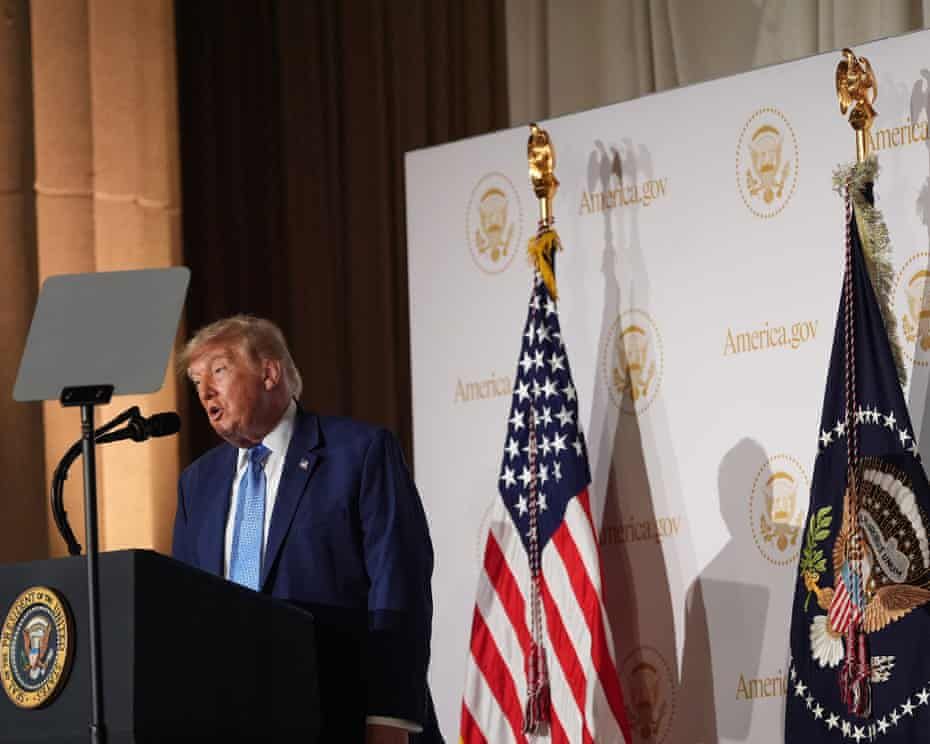
Iran targets American political debate
The IRGC letter directly addressed American voters ahead of the November 3 congressional elections, urging them to reject politicians it blamed for America’s current foreign policy.
“Remove from power the evil, deceitful, and violent politicians who are responsible for America’s current state,” the letter said. “Make sure your politicians understand that the world has changed.”
The letter also called on Americans to reject US support for Israel and military intervention overseas.
Reuters noted that the appeal may have limited reach among American voters, particularly those who do not encounter Iranian state media, but the issues highlighted in the letter overlap with domestic political debates surrounding the Trump administration’s handling of the war and the cost of living.
A Reuters/Ipsos poll published on September 21 found that 17% of respondents approved of Trump’s handling of the cost of living, while 34% approved of his strikes on Iran.
Trump says Iran will surrender
Trump has continued to maintain that the conflict with Iran will end soon and has repeatedly said Tehran must not obtain a nuclear weapon.
Speaking to reporters on Tuesday, Trump said:
“I don’t know if they are going to give up yet but they’ll give up.”
He added:
“They are doing very poorly.”
Trump has identified weakening Iran’s nuclear capabilities, reducing its ability to attack neighbouring countries and creating conditions for change in Tehran as objectives of the war.
Iran denies seeking nuclear weapons and maintains that, as a member of the Nuclear Non-Proliferation Treaty, it has the right to develop nuclear technology for peaceful purposes.
US troops leave Iraq after 23 years
The departure of American forces from Iraq marks the end of a military presence that began with the US-led invasion in 2003.
The withdrawal was agreed in 2024 under Biden but has been carried out by Trump’s administration while Washington remains engaged in its war with Iran. Reuters reported that about 4,500 Americans died during more than two decades of war in Iraq.
Read also:Trump rejects AI cooperation with Xi, says it could hurt US companies
Iran and its allies have celebrated the withdrawal, while Iraqi security experts have raised concerns that the departure could strengthen Iranian-backed militias and create opportunities for Islamic State remnants to regroup.
The US presence had provided intelligence, surveillance and other security support to Iraqi forces, making the transition an important test of Baghdad’s ability to maintain security independently.
For Tehran, however, the withdrawal removes an American military presence that had served as a counterweight to Iranian influence in Iraq.
Qatar pushes for Iran-US peace deal
While the military situation remains unresolved, Qatar has continued efforts to mediate between Washington and Tehran.
Qatari officials said they were exchanging messages between the two sides and working towards common ground that could lead to an agreement to end the conflict.
“We are exchanging messages between the parties, and we’re working towards establishing a common ground in order to get into a deal that would save all of us from the repercussions of the conflict,” Qatari Foreign Ministry spokesperson Majed al-Ansari said.
US and Iranian officials held separate discussions with Qatari mediators on Monday, although it was unclear whether further exchanges took place on Tuesday.
The diplomatic effort follows earlier negotiations and ceasefires that have failed to produce a lasting settlement.
Strait of Hormuz remains a major issue
One of the most difficult issues in the negotiations remains the strategic Strait of Hormuz.
Before the war, about 20% of global oil and liquefied natural gas passed through the waterway. The conflict has disrupted tanker traffic and contributed to higher global energy prices.
Iran proposed a plan at the United Nations General Assembly that would have triggered a seven-day countdown to reopening the strait alongside a pause in fighting.
Trump rejected the proposal on Saturday, although Iranian Foreign Minister Abbas Araqchi later said Washington had not formally communicated its rejection through mediators.
The continued closure or restriction of traffic through the waterway has therefore remained central to efforts to reach a broader agreement.
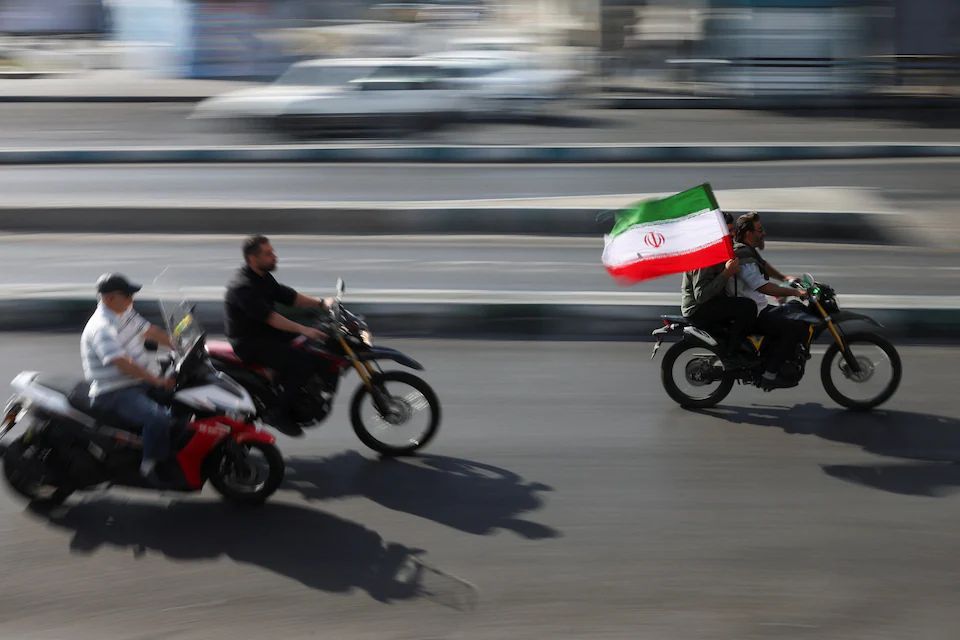
Iran appeals to US voters amid congressional elections
The IRGC’s intervention adds a political dimension to the continuing conflict, with Tehran explicitly addressing Americans as they prepare to vote in congressional elections.
The appeal comes amid debate in Washington over the consequences of the war, military intervention and rising energy costs.
At the same time, Trump’s administration continues to maintain that pressure on Iran is necessary to prevent Tehran from obtaining nuclear weapons and to limit its military capabilities.
The US withdrawal from Iraq has added another major development to the regional picture, with Iran portraying the departure as evidence of its strategic objective of reducing American military presence in the Middle East.
Reuters reported that Washington and Tehran have yet to find a clear path out of the seven-month-old conflict despite multiple rounds of negotiations and several ceasefires.
With Qatar continuing its mediation efforts and the Strait of Hormuz still unresolved, diplomatic pressure remains focused on finding a framework that could halt the fighting and restore stability across the region.
About The Author


