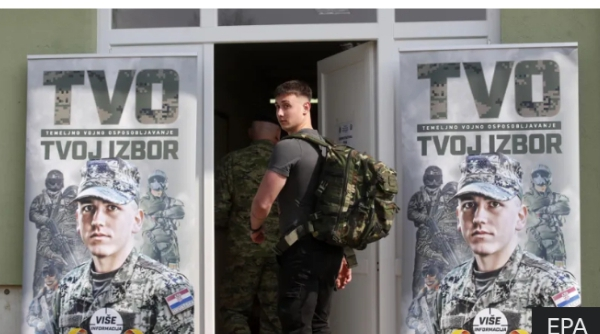
Croatia has officially reinstated compulsory military service, with hundreds of teenagers reporting for duty today, marking the first time the country has required conscription since 2008. More than half of the 800 conscripts volunteered.
Training for the new intake will take place across three barracks in Croatia, with each recruit assigned to the facility closest to their home. Recruits will receive uniforms, dormitories, and basic equipment before training begins.
Tihomir Kundid, Chief of the General Staff of the Armed Forces of Croatia, explained that recruits are “being acclimatised step by step” to military life. Officials insist the process is designed to avoid excessive stress for the teenagers.
Mobile phones are permitted during free time, but not during active training. The government emphasises that daily routines will balance military discipline with personal freedoms, ensuring teenagers feel secure as they adjust to army life.
Among the first intake of 800 conscripts, over 50% chose to volunteer rather than wait for call-up papers. Around 10% are women, who are currently under no legal obligation to serve, reflecting a modest expansion of diversity in the ranks.
Croatia has also allowed conscientious objectors to opt for civilian service instead of military duty. Only ten individuals have chosen this path, which lasts four months and provides a lower monthly allowance than the €1,100 offered to military conscripts.
The conscription programme promises a “very dynamic, very interesting” schedule, according to General Kundid. Training includes traditional soldiering, cyberwarfare skills, and even basic drone control and drone protection techniques for modern defence readiness.
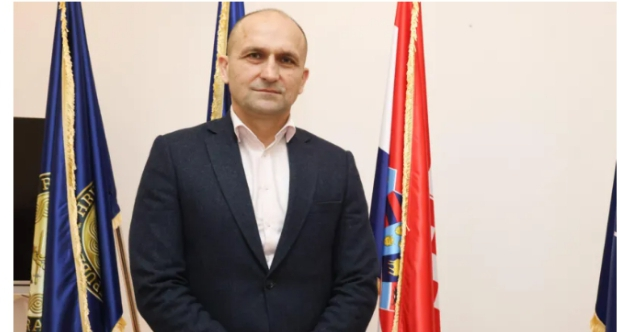
Defence Minister Ivan Anusic stated the regional security situation has shifted dramatically. “The situation in Croatia and all around our neighbourhood was stable. Now, it is completely different,” he told the BBC, referencing the ongoing war in Ukraine.
Anusic explained that Russia’s aggression in Ukraine, alongside proxy conflicts in Europe, influenced the decision to reintroduce mandatory military service. The proximity of these threats to Croatia’s borders motivated a new focus on national preparedness.
Neighboring countries are closely watching Croatia’s conscription move. Slovenia’s largest opposition party is calling for a similar programme, and Serbia has announced plans to reinstate military service within the next year, significantly increasing military budgets.
Croatia has also strengthened alliances with Kosovo and Albania, causing concern in Serbia. Analysts note that any military developments in the Balkans can trigger tension, as nations interpret each other’s actions as potential threats, heightening regional insecurity.
James Ker-Lindsay, a Balkans analyst, explained that Croatia’s arms purchases prompt reciprocal military build-ups. “When Croatia buys arms, Serbia sees it and feels compelled to respond. This cycle increases regional tension and insecurity,” he said, highlighting the delicate balance.
The Croatian government plans three more conscript intakes this year, aiming to train 4,000 recruits annually. Officials emphasise that the programme will ensure readiness while maintaining safety, with careful oversight of young recruits throughout their service.
Croatia joins a group of ten NATO countries that have retained or reintroduced mandatory military service.
Other members include Greece, Turkey, the Scandinavian countries, and the Baltic states, which maintain conscription to bolster national defence capabilities.
Analysts point out that the reintroduction of conscription is part of a broader European trend, as nations seek to strengthen militaries in response to geopolitical threats. Croatia’s move reflects growing regional concern over security in the post-Ukraine war landscape.
Many teenagers report feeling a sense of duty and patriotism. The voluntary nature of much of this intake demonstrates that young Croatians are willing to participate in national defence, rather than merely complying with legal obligations.
Parents have expressed mixed feelings about the programme, balancing pride with concern over the challenges of military life. Officials reassure families that all recruits will receive step-by-step guidance, and psychological support is available to manage stress.
Recruits’ daily schedules will include physical training, drills, cyber skills, and teamwork exercises. Officials stress that these programmes are designed to be educational and engaging, preparing teenagers for modern security threats while instilling discipline.
The Croatian military also plans to incorporate new technologies into training, including drone operation and cybersecurity. These measures reflect the modernisation of the armed forces and a focus on equipping young conscripts with skills relevant to contemporary warfare.
Military analysts note that Croatia’s conscription move may influence regional policy. Countries like Slovenia and Serbia may accelerate military reforms or consider compulsory service to ensure parity and national security amid rising tensions in the Balkans.
Despite regional tensions, Croatia’s Defence Ministry insists the programme is defensive rather than aggressive. Officials highlight that conscription strengthens the nation’s ability to protect its borders and citizens while contributing to NATO commitments.
Observers note that mandatory military service provides young people with structure, practical skills, and national awareness. Croatia’s return to conscription reflects a broader European recalibration of defence priorities in light of heightened geopolitical threats.
The Croatian government emphasises that the programme is inclusive. Women can volunteer, conscientious objectors have alternative options, and all recruits are guaranteed safety, modern equipment, and structured guidance, underscoring the balance between obligation and personal rights.
Looking ahead, Croatia plans to maintain regular conscription intakes while continuing to modernise the military. The initiative seeks to build a trained, disciplined, and technologically capable reserve force capable of responding to regional security challenges.
Officials hope that this initiative will also foster a sense of unity and civic responsibility. By engaging teenagers in national service, Croatia aims to prepare a new generation that is aware of both military and civic duties.
The first batch of 800 recruits marks only the beginning of this long-term programme. Over time, Croatian authorities aim to expand training, improve facilities, and integrate modern technology into conscription, ensuring relevance for the next decade.
Croatia’s return to compulsory military service signals a strategic recalibration in the Balkans. With neighbouring countries observing closely, the move reflects broader European trends in response to security threats emanating from conflicts like the war in Ukraine.
The Defence Ministry continues to monitor progress and feedback from recruits and families, adjusting programmes as necessary. Officials emphasise that training will remain dynamic, with evolving modules to address both traditional and modern defence requirements.
Read also:G7 to discuss release of emergency oil reserves as prices top $100 amid Middle East tensions
By reinstating conscription, Croatia joins a growing list of NATO nations that balance voluntary service with mandatory programmes. Officials stress that readiness, national security, and regional stability remain the primary motivations behind this historic policy shift.
About The Author